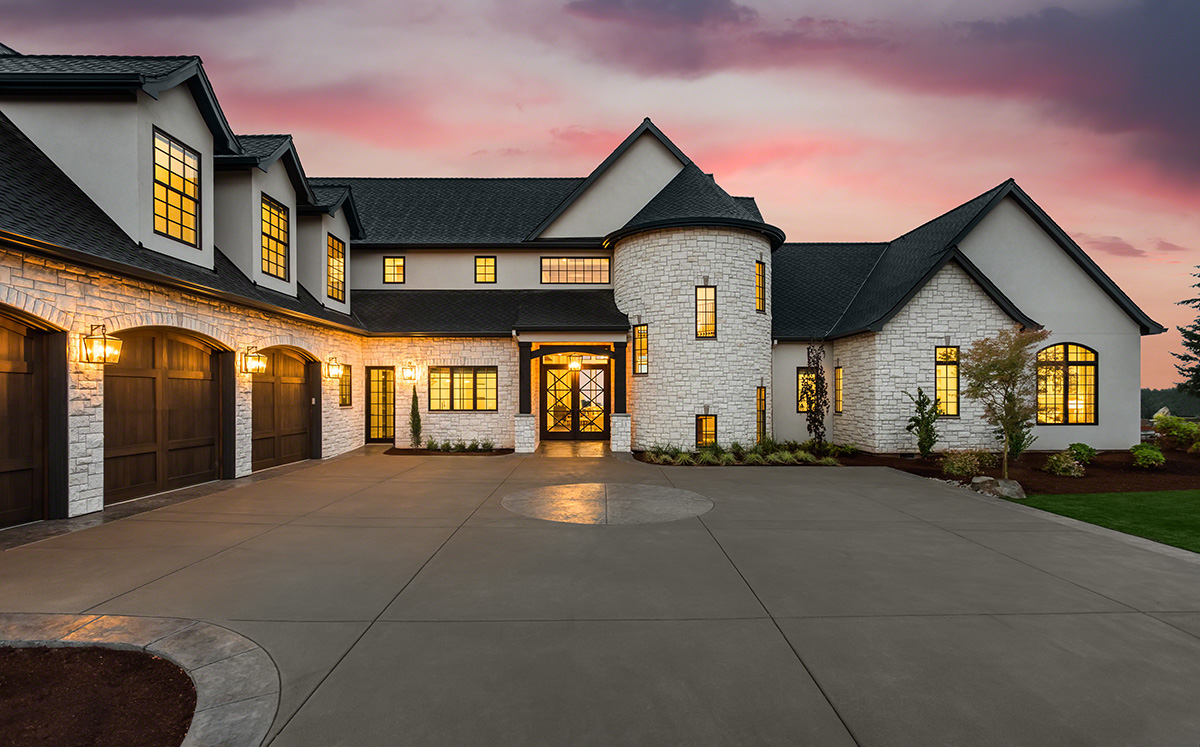
Natural stone texture with built-in grip.
Exposed aggregate is what you get when we wash the top skin of cement off a fresh pour and let the natural stone in the mix show through. Instead of a flat gray surface, you end up with a field of pebbles and sand locked into the slab, with a texture you can feel underfoot. It is a finish, not a coating, so the look is part of the concrete itself and it does not peel or wear off like paint or a thin overlay would.
On the Front Range that texture earns its keep. The rough surface gives you grip when a driveway or walk ices over, and the speckled, multi-tone color hides the dust, leaf stain, and tire marks that show up fast on a smooth gray slab. It holds up to our hard UV at altitude without looking sun-beaten, and it shrugs off the freeze and thaw better than a slick finish because there is no thin troweled layer to scale off. For a lot of homes and businesses here, it is the finish that still looks good ten winters in.
The look comes from the mix and the timing. We choose an aggregate that suits the job, pour the slab over a compacted base with the reinforcement and control joints any Colorado flatwork needs, then float it flat. The difference is in the finishing window. Instead of troweling the surface smooth, we wash and brush off the top layer of cement paste at the right moment, exposing the stone underneath without dislodging it. Wash too early and the rocks pop loose. Too late and the paste has set hard over them. We watch the slab as it cures and pull the surface back to an even, uniform exposure across the whole pour, then seal it once it has dried.
This is the honest concern with exposed aggregate, and it is a fair one. The same texture that grips in snow can feel coarse on bare feet or scrape a knee, which matters around a pool deck or a patio where people are barefoot. We handle it by matching the aggregate to the use. For driveways and walks where traction wins, we can leave a more pronounced exposure. For pool decks and patios, we use a smaller, rounded stone and a lighter wash so the surface stays slip-aware but is far easier on bare feet. A good sealer also takes some of the bite off the high points. We will walk you through the trade-off before we pour, not after.
The aggregate is the color. Because the stone is doing the work, you get a natural, variegated tone instead of a single flat shade, and you can lean warm or cool depending on what the rock is. We can pull tan and brown blends that read earthy, gray and black blends that read modern, or mixes with a little river-rock color for warmth. The matrix around the stone can be tinted too, so the background either disappears behind the aggregate or frames it. We aim the palette at your home or building, the stone and brick already on site, and the look you are after, so the finish settles in instead of standing out for the wrong reason.
Exposed aggregate is one of the lower-maintenance decorative finishes, but it is not no-maintenance, and our climate is the reason. A sealer keeps water and de-icing salt out of the textured surface, which is exactly what drives scaling and freeze damage on unprotected concrete here. It also deepens the color of the stone and makes the surface easier to sweep and rinse. Sealer wears with sun and traffic, so plan on a reseal every few years to keep the protection and the color where you want them. We seal the surface when we finish the job and tell you straight when it is due for another coat. No special cleaners are needed, just a rinse and the occasional reseal.
From homes to commercial sites across the Front Range, here is where exposed aggregate earns its place.
The textured surface gives tires grip on an icy slope and hides oil spots and tire marks that show on a smooth slab.
A speckled, glare-free surface that stays cooler-looking than dark finishes and hides the dust and leaf stain a backyard collects.
With the right stone and a lighter wash, it gives slip-aware footing around the water while staying comfortable for bare feet.
Front walks and paths get sure footing in winter and a finish that does not show every scuff and footprint.
A strip of exposed aggregate frames a smooth or stamped section and breaks up a large pour into a designed layout.
A durable, good-looking surface at the front of a home or business that handles constant foot traffic and our UV without fading out.
Concrete behaves differently at altitude. Our expansive clay soils swell with moisture and shrink when they dry, and the freeze and thaw cycle works on any surface that takes on water. Every exposed aggregate project we pour accounts for both, from base preparation and drainage to air-entrained mixes, proper reinforcement, and control joints cut on time. That is how the work holds its shape and finish through Colorado winters instead of failing by spring.
You also get a written estimate before anything starts, a structural engineer on staff for the jobs that need one, and a crew that pulls and manages permits when the project calls for them. Licensed, bonded, and insured, with finishes that range from a clean broom texture to stamped, colored, and sealed.
Decorative concrete lives on the details, and the price reflects them. Here is what shapes a Exposed Aggregate project.
Color and texture are protected by sealer, and sealer wears. Plan to reseal exposed aggregate every few years to keep the color rich and the surface shedding water. A gentle wash and prompt snow removal are all the routine care it needs between reseals. And whatever the project, the same rule applies across the Front Range: keep water from sitting on or soaking into the surface, and the concrete will reward you with decades of service.
You always know what is happening and what it costs before we mix a single yard. Here is the path from first call to final walkthrough.
We visit the site, measure, check drainage and soil, and hand you a clear written quote. No charge, no pressure.
We set the grade, thickness, reinforcement, and finish. Structural work gets engineered and permitted.
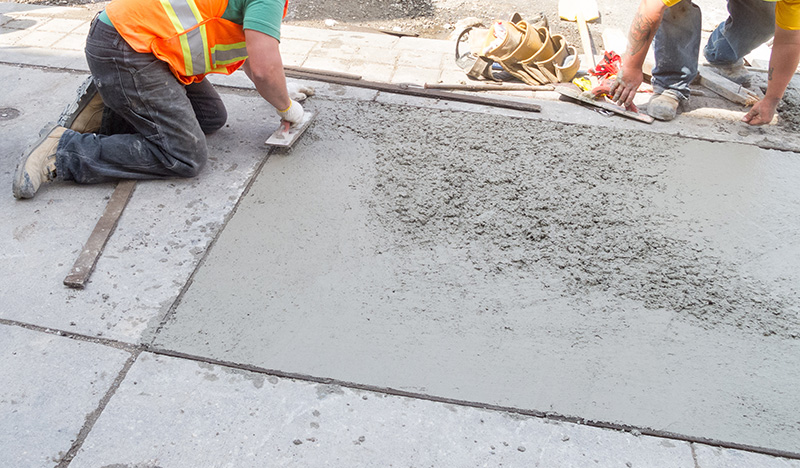
Forms, rebar, and a clean pour. We screed, float, and finish to the texture you picked, then cut control joints.
You can walk it in 24 to 48 hours. We walk the job with you and explain how to care for it through the first winter.
Still unsure about something?
Call the crew at (303) 569-4046 and we will talk it through.
Get a free, no-obligation estimate from a crew that knows Colorado soil, Colorado weather, and how to finish concrete that lasts.
Accessibility
Adjust the site to fit how you read and browse. Your choices are saved on this device.