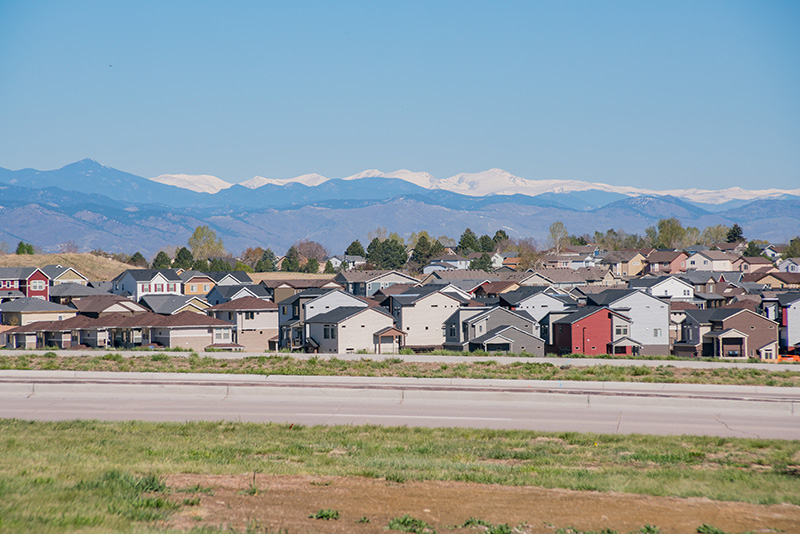
Safe, level paths that connect the whole property.
A walkway is one of the smallest pours we do, but it gets used more than almost anything else on the property. People walk the front path every single day, often in the dark, often with their arms full, and plenty of the year with ice or snow underfoot. When that path is level and drains right, nobody thinks about it. When it has heaved at a joint or pitched the wrong way, it becomes a stubbed toe in summer and a real fall risk in winter.
That is why we treat a walk like a small slab that has to do a serious job. Front entry walks, side-yard paths, garden runs, and the connectors that tie a patio to a driveway all get the same attention to base, slope, and jointing that we give to bigger work. On the Front Range that matters, because the expansive clay under most yards swells and shrinks with moisture, and a path poured straight onto loose dirt will move with it. Done right, a walkway stays put, sheds water away from the house, and gives you sure footing year round.
Most cracked or tilted walks around the metro failed underneath, not on top. A path poured on loose fill or skinny base sits on soil that swells when it gets wet and drops when it dries, and the slab follows it. The clay we build on is some of the most active in the country, so this is not a rare problem here. We dig down to firm ground, lay and compact a proper aggregate base, and pour the walk thick enough to act like a beam instead of a cracker. Reinforcement and tight control-joint spacing handle the rest, giving the concrete a planned place to crack so it never decides on its own across the middle of your front walk.
A flat walk holds water, and standing water on the Front Range becomes ice the same night the temperature drops. We pitch every path so water runs off the edge instead of pooling, and we slope it away from the foundation so it is not feeding moisture into the soil against your house. A small, consistent cross-slope is enough to keep the surface draining without feeling tilted underfoot. The finish matters too. We broom the surface to give it tooth, so a wet or frosty walk still has grip. Those choices are not glamorous, but they are the difference between a path you trust in January and one you skate across.
This is the honest concern, so here is the straight answer. All concrete can crack, and we will not promise you a path that never gets a hairline. What we can control is where cracks go and whether they ever turn into a trip hazard. Control joints, cut at the right spacing, give the slab clean lines to crack along so the surface stays flat and even. Real base prep and reinforcement keep the two sides of any joint from heaving apart into a lip you catch your foot on. We also cure the concrete properly rather than rushing you back onto it. You can usually walk on it in 24 to 48 hours, with the slab reaching full strength around 28 days. Skip the curing and you invite the surface scaling and weak edges that crumble first.
Walkways rarely live alone. They tie the driveway to the front door, the back patio to the side gate, the garden to the garage. We plan those connections so grades meet cleanly, water keeps moving in one direction, and you are not stepping up or down where you do not expect it. Finish is where a path stops looking like a utility and starts looking like part of the home. A broom finish is the workhorse for grip, but we also pour exposed aggregate, stamped, colored, and decorative-bordered walks that pick up the tone of your house or your existing flatwork. If you want a path that reads as one piece with the patio it leads to, we match the finish so it does.
From homes to commercial sites across the Front Range, here is where walkways & pathways earns its place.
The main path from the driveway or street to your front door, poured level and broomed for safe footing in any weather.
Runs along the side of the house or through landscaping that keep feet out of the mud and mulch.
Linking paths that tie separate slabs together with matched grades so water and people move cleanly between them.
Paths on grade changes, built with even transitions so nobody is surprised by a sudden step.
Colored, stamped, or banded edges that frame a walk and tie it to the look of the house.
Short runs that join a deck, shed, or garden bed to the rest of the property without tracking dirt inside.
Concrete behaves differently at altitude. Our expansive clay soils swell with moisture and shrink when they dry, and the freeze and thaw cycle works on any surface that takes on water. Every walkways & pathways project we pour accounts for both, from base preparation and drainage to air-entrained mixes, proper reinforcement, and control joints cut on time. That is how the work holds its shape and finish through Colorado winters instead of failing by spring.
You also get a written estimate before anything starts, a structural engineer on staff for the jobs that need one, and a crew that pulls and manages permits when the project calls for them. Licensed, bonded, and insured, with finishes that range from a clean broom texture to stamped, colored, and sealed.
A flatwork quote comes down to a few things working together, and the cheapest bid almost always skips one of them. Here is what actually shapes a Walkways project.
Keeping water out of the surface is everything here. A reseal every few years, snow cleared before it melts and refreezes, and a quick rinse of de-icing salt off the slab will add years to your walkways & pathways. Avoid rock salt and harsh ice melt, which accelerate surface scaling at altitude. And whatever the project, the same rule applies across the Front Range: keep water from sitting on or soaking into the surface, and the concrete will reward you with decades of service.
You always know what is happening and what it costs before we mix a single yard. Here is the path from first call to final walkthrough.
We visit the site, measure, check drainage and soil, and hand you a clear written quote. No charge, no pressure.
We set the grade, thickness, reinforcement, and finish. Structural work gets engineered and permitted.
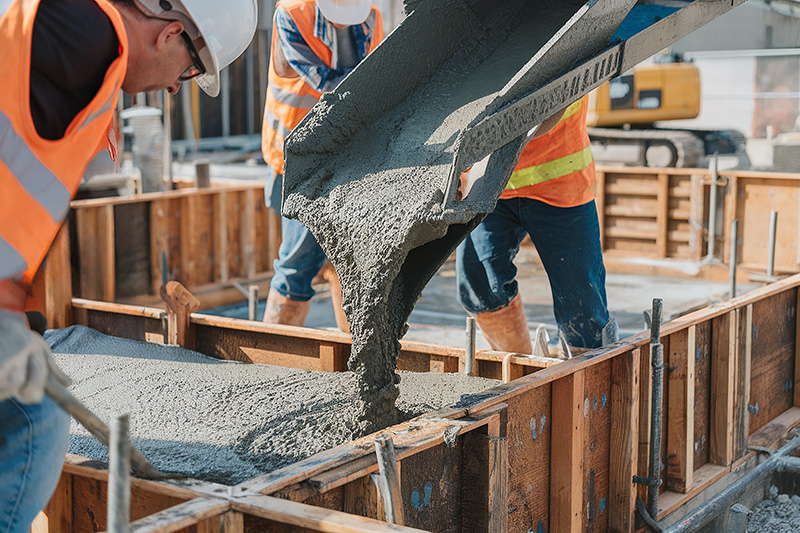
Forms, rebar, and a clean pour. We screed, float, and finish to the texture you picked, then cut control joints.
You can walk it in 24 to 48 hours. We walk the job with you and explain how to care for it through the first winter.
Still unsure about something?
Call the crew at (303) 569-4046 and we will talk it through.
Get a free, no-obligation estimate from a crew that knows Colorado soil, Colorado weather, and how to finish concrete that lasts.
Accessibility
Adjust the site to fit how you read and browse. Your choices are saved on this device.