
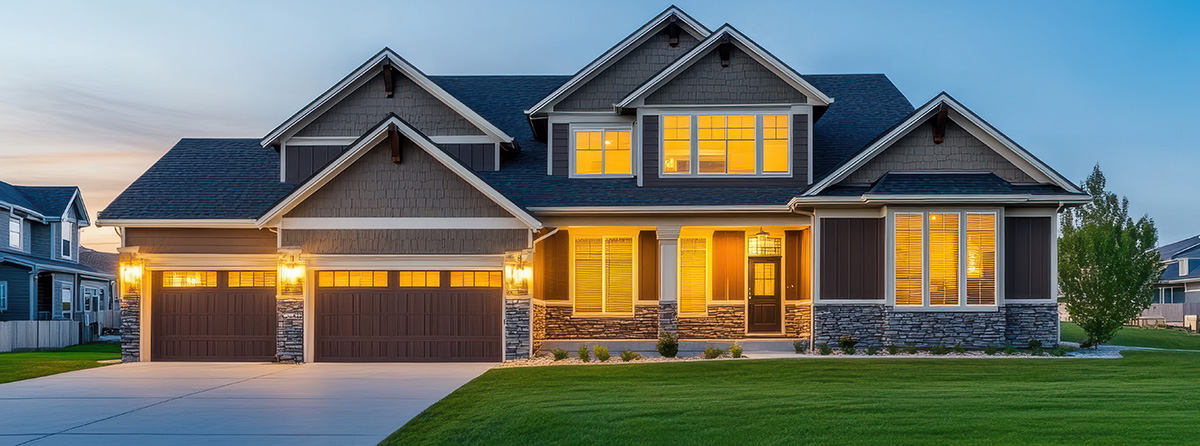
Driveways, patios, foundations, and decorative work poured for Front Range homes.
Seven groups cover everything we pour at a house. Open the one closest to your project and you will find the individual services, what each one costs to build correctly, and how long it takes.
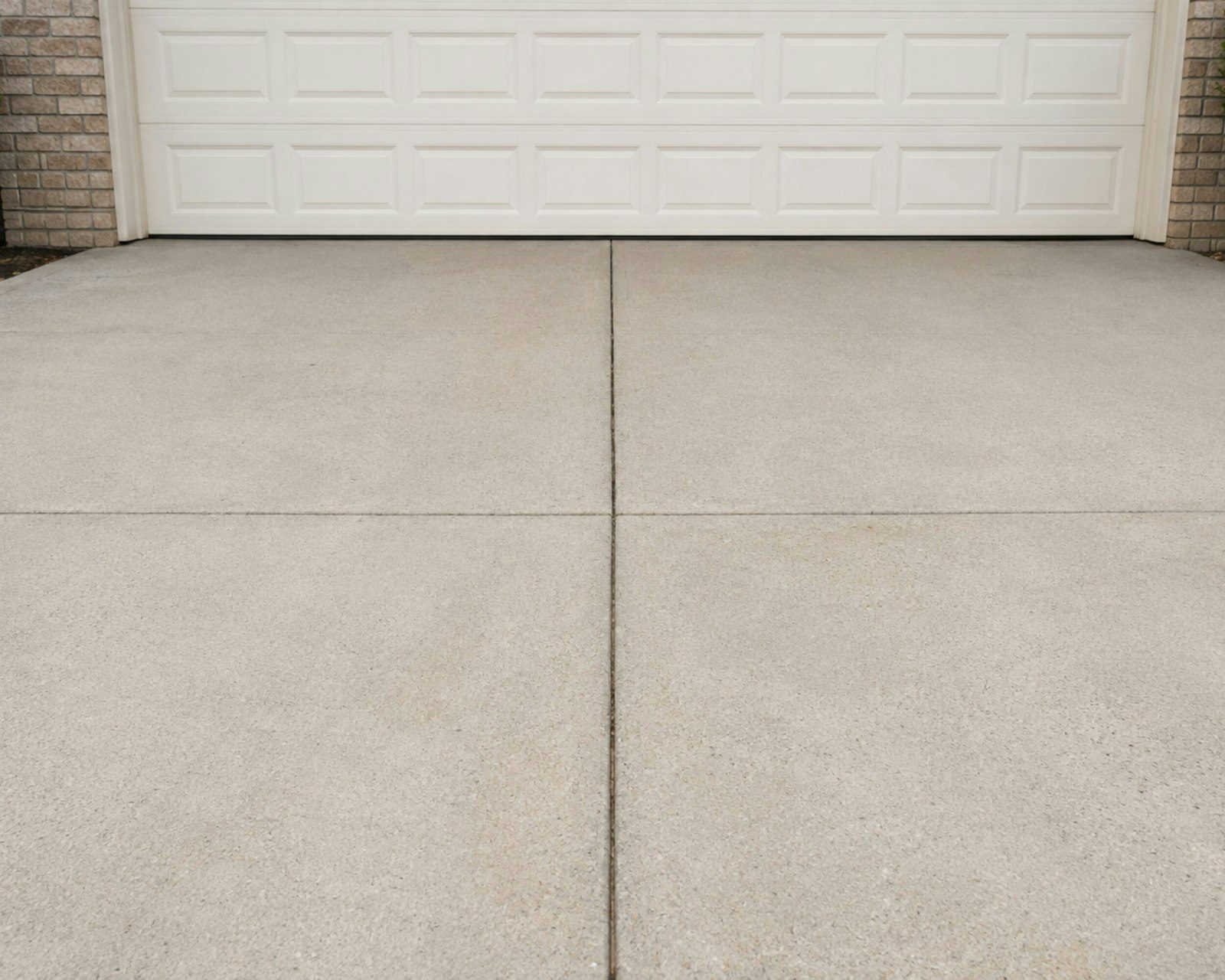 Driveways & Parking
The slab everyone sees first, and the one that takes the most abuse from weather and weight.
5 Services
Driveways & Parking
The slab everyone sees first, and the one that takes the most abuse from weather and weight.
5 Services
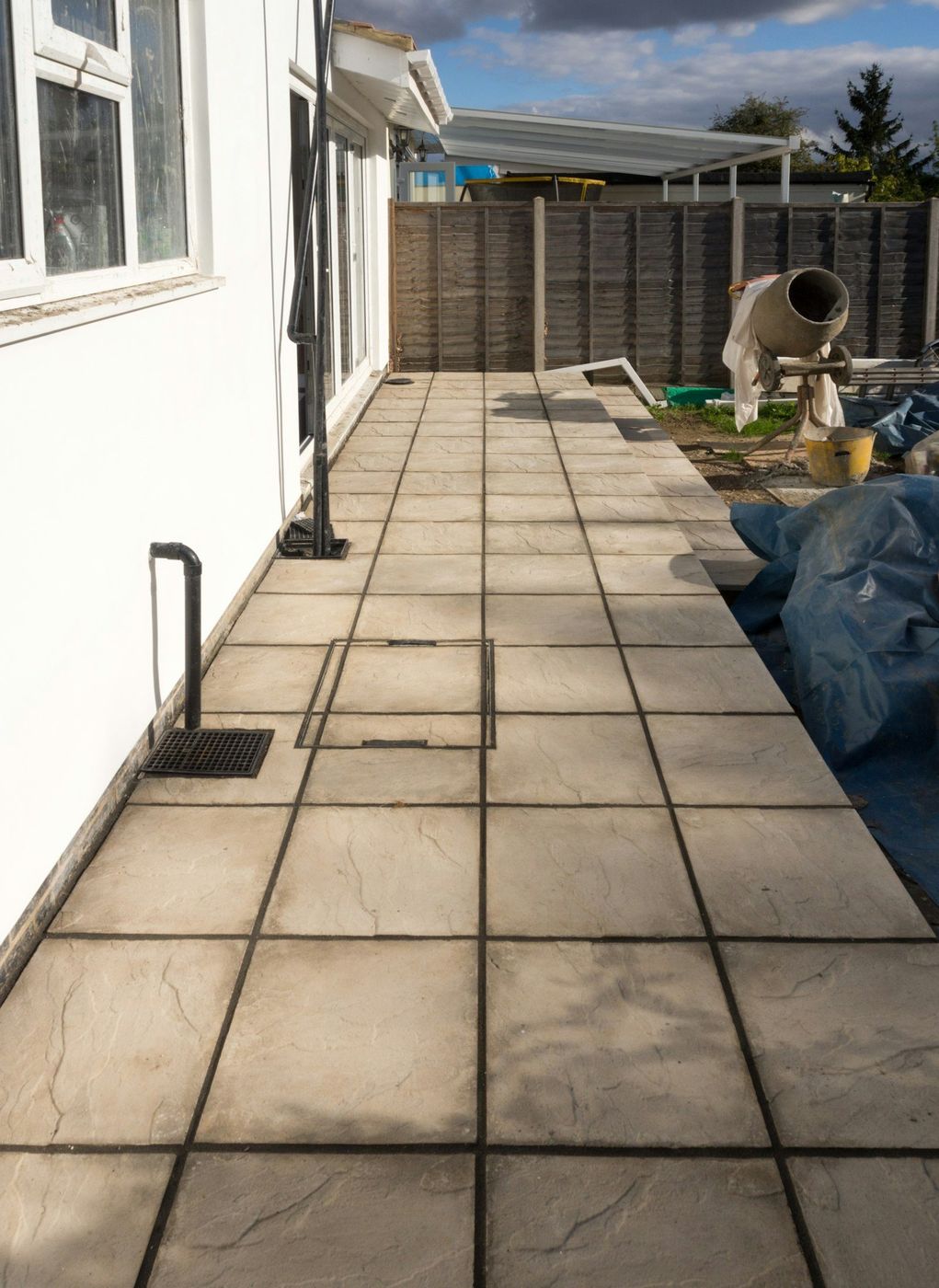 Patios & Outdoor Living
Usable outdoor rooms: patios, kitchen bases, spa pads, and the footings that hold shade structures up.
5 Services
Patios & Outdoor Living
Usable outdoor rooms: patios, kitchen bases, spa pads, and the footings that hold shade structures up.
5 Services
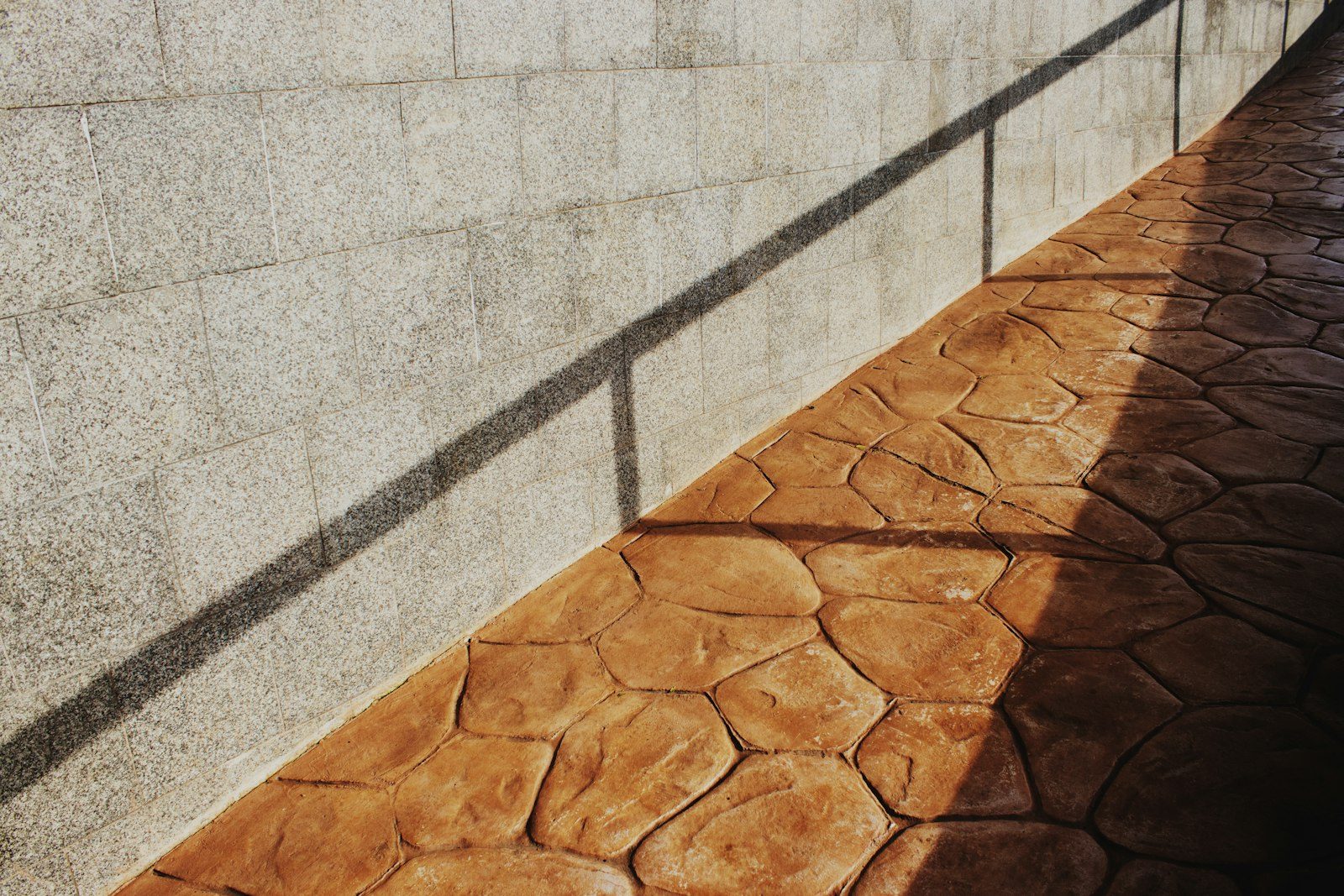 Walkways, Steps & Edging
The connective concrete around a property, where trip hazards and frost heave show up first.
4 Services
Walkways, Steps & Edging
The connective concrete around a property, where trip hazards and frost heave show up first.
4 Services
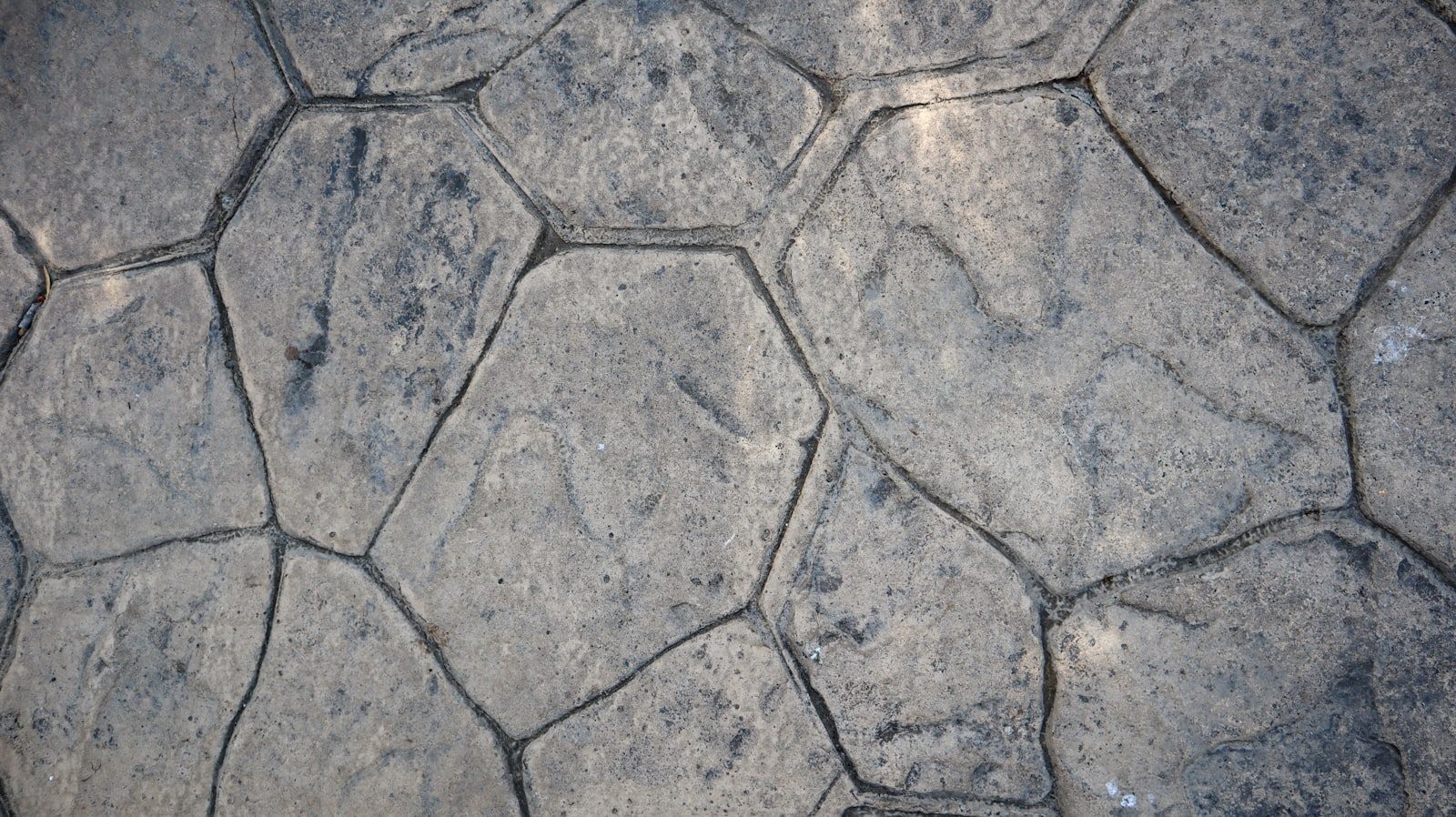 Decorative Finishes
Color, pattern, and texture applied so they survive high-altitude sun and forty freeze cycles a winter.
7 Services
Decorative Finishes
Color, pattern, and texture applied so they survive high-altitude sun and forty freeze cycles a winter.
7 Services
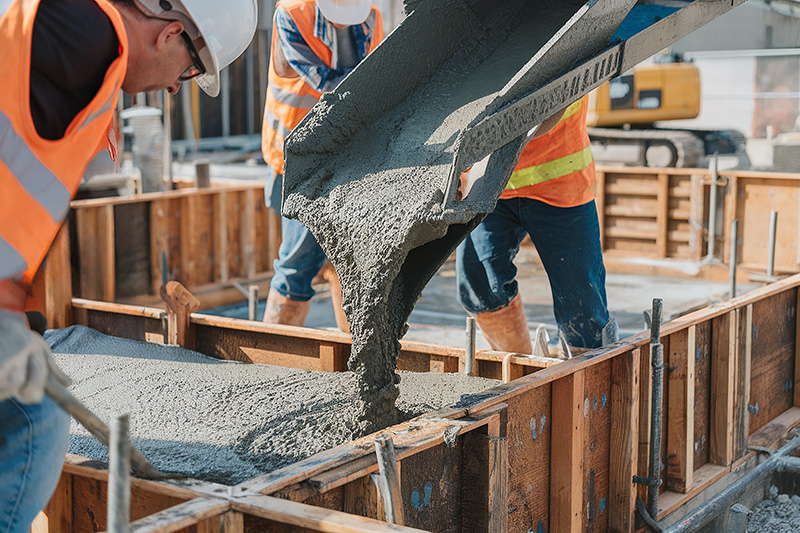 Foundations & Structural
Load-bearing work on expansive clay, reviewed by the structural engineer on our staff.
6 Services
Foundations & Structural
Load-bearing work on expansive clay, reviewed by the structural engineer on our staff.
6 Services
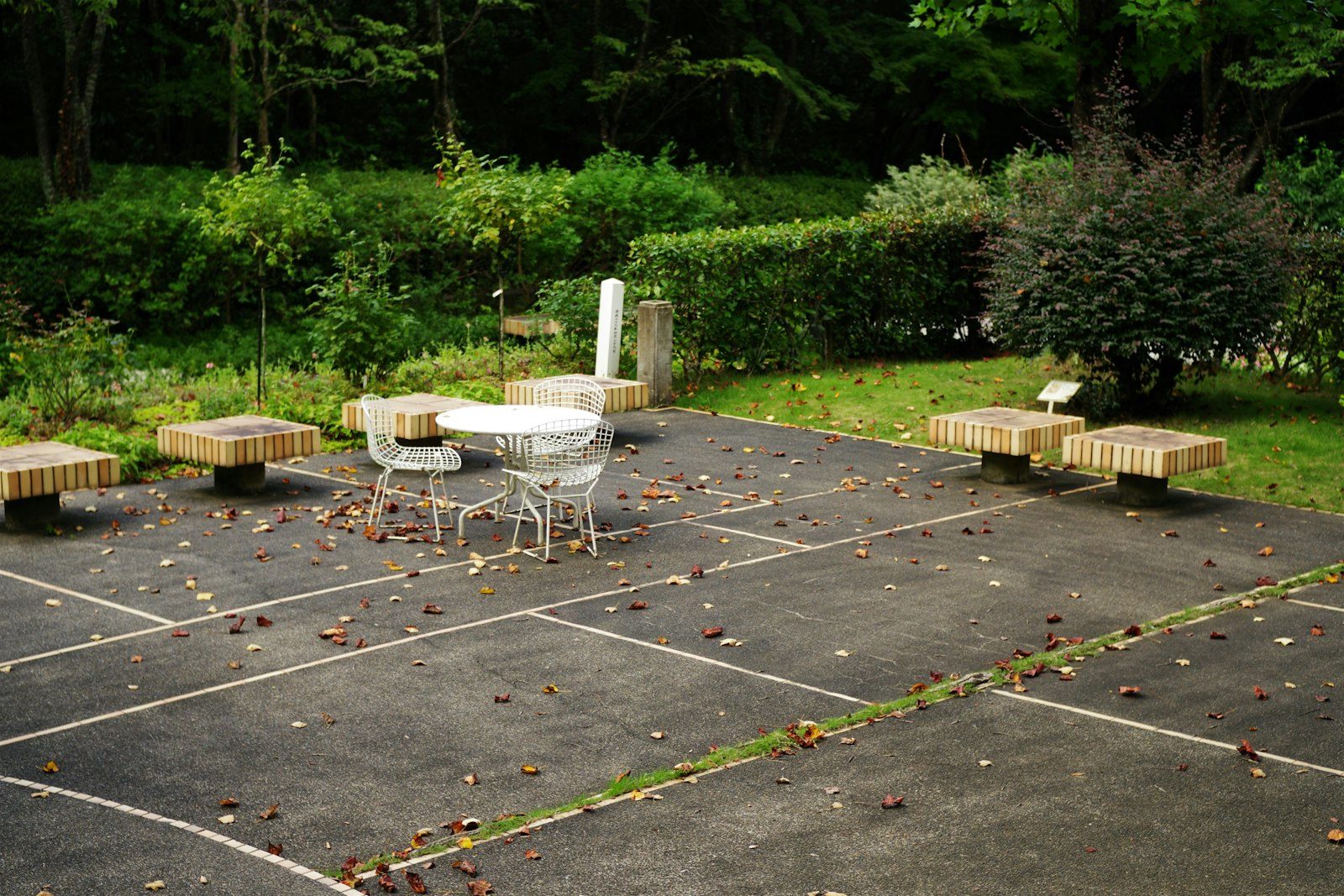 Pools, Courts & Recreation
Flat, well-drained, correctly jointed slabs for the things people actually play on.
4 Services
Pools, Courts & Recreation
Flat, well-drained, correctly jointed slabs for the things people actually play on.
4 Services
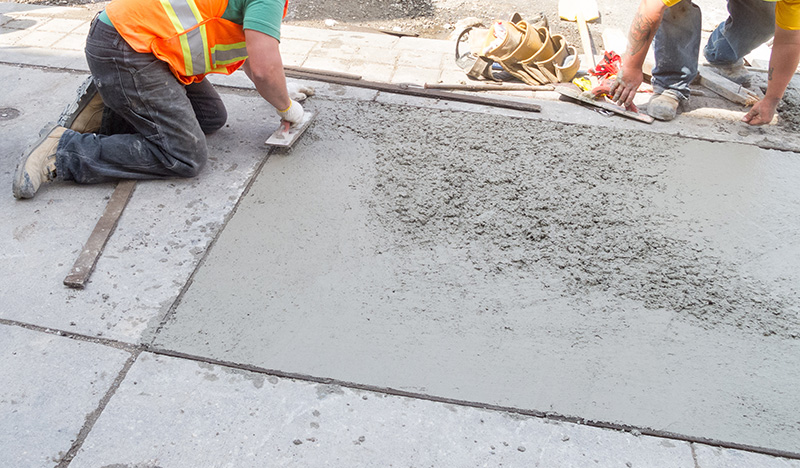 Repair & Leveling
Lifting, resurfacing, and sealing when the slab is worth saving instead of replacing.
7 Services
Repair & Leveling
Lifting, resurfacing, and sealing when the slab is worth saving instead of replacing.
7 Services
Concrete at a house is not one product. A driveway carries a two-ton vehicle every day, a patio has to stay comfortable barefoot in July, a foundation has to sit still on soil that moves, and a set of steps has to stay safe when it ices over. Same material, four completely different jobs, and each one fails differently when somebody treats them all the same.
We pour every one of them across the Front Range, and the pages below are organized the way a homeowner actually thinks about a property: by the part of the house you are trying to fix or build. Start with the group closest to your project and work down to the specific service.
Most of the metro sits on expansive clay. When it takes on water it swells, and when it dries out it shrinks back. That movement happens under every slab on your property, season after season, and it is the single biggest reason concrete fails here rather than somewhere flat and sandy.
Add altitude to it. Between roughly 5,000 and 6,700 feet the sun is harder on sealers and color, the air is dry enough to pull water out of fresh concrete faster than a crew expects, and a single winter can push a surface through dozens of freeze and thaw cycles. Water gets into the top layer, freezes, expands, and lifts small flakes off. Do that forty times a winter for ten winters and an unprotected slab looks chewed.
None of this is exotic and none of it is unsolvable. It just means the details that get skipped in a cheap bid are the exact details that decide whether your concrete lasts.
Homeowners compare bids by square footage because that is the number everyone quotes. It is also the number that hides the difference between two prices. The spread between a cheap bid and a fair one is almost never the concrete itself. It is what happens before the truck shows up.
Excavation depth, how much poor soil gets hauled off and replaced with compacted road base, whether that base goes in as one dumped layer or several compacted lifts, whether steel is tied and chaired or tossed on the dirt, whether the crew comes back with a saw the same day to cut control joints. Those are the line items that separate a slab that lasts thirty years from one that starts moving in three. Ask any bidder to put them in writing.
| What the concrete is doing | Usual answer | Reasoning |
|---|---|---|
| Tight hairline cracks, surface still hard | Clean and seal | Concrete shrinks as it cures. Hairlines that never widen are cosmetic. |
| Flaking or pitting in the top layer only | Resurface or overlay | The damage is in the top half inch. A bonded topping restores it without demolition. |
| One or two panels sitting low, rest is sound | Lift them | Mudjacking or foam costs a fraction of replacement and fixes the trip hazard in a day. |
| Cracks that widen every spring, panels tipping | Replace | The base underneath has failed. Anything poured on top of it fails on the same schedule. |
| Water running toward the house | Replace and regrade | Drainage toward a foundation is a much more expensive problem than the slab it started as. |
Describe it over the phone and we will point you at the right page, or send someone out to look. Either one is free.
Late April through October is the comfortable window on the Front Range, and early fall is arguably the best of it: warm afternoons, cool nights, and enough time to bank strength before deep cold arrives. Spring works well once overnight lows stay above freezing and the clay has dried enough to compact properly.
Summer is busy and perfectly workable. We start early, finish before the afternoon storms build over the foothills, and keep covering on the truck, because rain landing on concrete that is still being finished works water into the surface and leaves it weak. That is the one weather risk worth rescheduling for.
Winter pours happen too, with heated batch water, accelerators that contain no chlorides, and insulated blankets. The window is tighter and it costs a little more. The one thing we will not do is pour on frozen ground, because the slab drops the moment the frost releases and nothing in the mix design prevents it.
New concrete is still gaining strength for weeks after the crew leaves, and its surface is at its most vulnerable during the first cold season. Two habits do most of the damage we get called back to look at.
The first is deicer. Magnesium chloride and similar products attack a young surface and the result shows up as scaling by spring. Sand gives you traction without the chemistry. After a full winter of age, and ideally with a sealer on it, normal products are fine.
The second is timing. Walk on new concrete after a day or two, park a car after a week, and keep genuinely heavy loads off until day 28. Moving trucks, roll-off dumpsters, and RVs are the usual culprits. We put those dates in writing so nobody has to guess.
Still unsure about something?
Call the crew at (303) 569-4046 and we will talk it through.
You are here. Driveways, patios, decorative finishes, foundations, and repair for single-family homes across the Front Range.
Parking lots, curb and gutter, ADA routes, warehouse floors, and multi-year community replacement programs.
See commercial concreteEnter the footprint and what will sit on it. You get the area, the concrete volume, and the thickness, steel, and joint spacing we would build to. No pricing here, because a real number needs a look at your access, base, and drainage.
Volume assumes a flat, even subgrade. Real sites need excavation depth, base correction, and access checked in person, which is what the free visit is for.
You always know what is happening and what it costs before we mix a single yard. Here is the path from first call to final walkthrough.
We visit the site, measure, check drainage and soil, and hand you a clear written quote. No charge, no pressure.
We set the grade, thickness, reinforcement, and finish. Structural work gets engineered and permitted.
Forms, rebar, and a clean pour. We screed, float, and finish to the texture you picked, then cut control joints.
You can walk it in 24 to 48 hours. We walk the job with you and explain how to care for it through the first winter.
Tell us what you are building. We measure, check drainage and soil, and hand you a written number with no obligation attached.
Accessibility
Adjust the site to fit how you read and browse. Your choices are saved on this device.