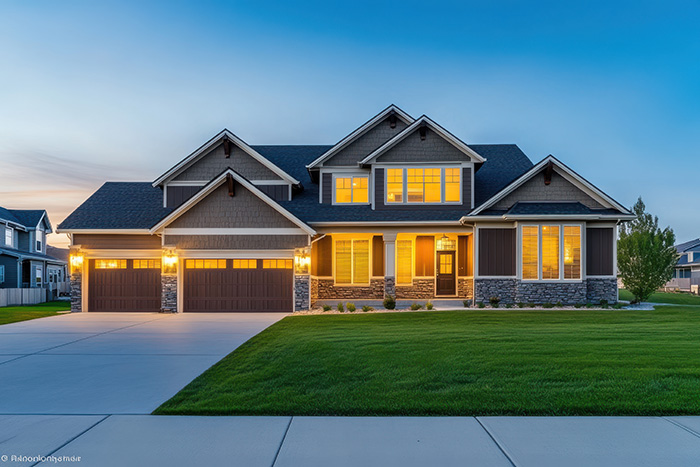
Outdoor living with the grading and drainage to back it up.
A concrete patio is the piece of your yard you stop walking past and start living on. Done right, it gives you a flat, durable floor for the grill, the table, the fire pit, and the foot traffic in and out of the house. Done wrong, it pools water against your foundation, cracks across the middle, and tilts toward the back door the first time the ground moves. The difference is almost never the concrete itself. It is the grading, the base, and the jointing underneath that nobody sees once the pour is finished.
On the Front Range that prep carries extra weight. Our soils swell when they get wet and shrink when they dry, and the surface goes through dozens of freeze and thaw cycles every winter. A patio that was not graded to drain or built to flex with that movement will tell on itself within a few seasons. We pour patios that shed water away from the house, hold their finish through hail and hard sun, and stay flat and crack-controlled for the long haul.
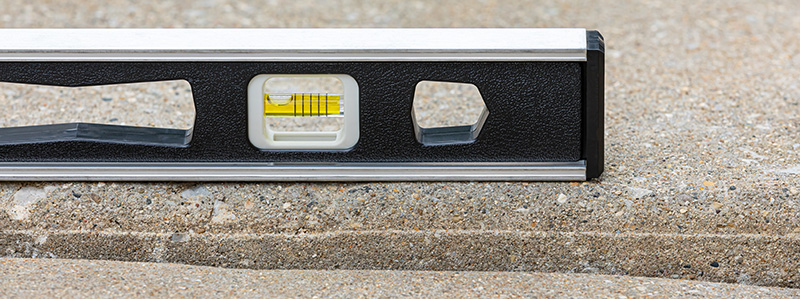
A patio sits right against the house, which makes its slope the most important number on the whole job. We pour a slight, deliberate pitch away from the foundation, usually about a quarter inch of fall per foot, so rain and snowmelt run toward the yard instead of pooling at the wall. That matters more here than in a lot of places. Water that collects against the foundation soaks into expansive clay, the clay swells, and you have invited the exact soil movement that lifts and cracks slabs. We set the grade before a single yard of concrete shows up, tie it into how the rest of your yard drains, and check it again as we screed. Get the slope right and the patio protects the house instead of feeding water to it.
The flatness you walk on five years from now is decided before the pour. We strip the topsoil, bring in and compact a base that gives the slab firm, even support, and add reinforcement so the concrete works as one piece instead of independent chunks. Then we cut control joints on a planned spacing. Concrete shrinks as it cures, and it is going to crack somewhere. Control joints decide where, giving the slab a clean line to crack along below the surface instead of a jagged one across the top. On a patio we lay those joints out so they look intentional and line up with the shape of the pad, not like an afterthought. Compacted base, steel, and joints in the right places are why a patio stays flat through our wet springs and dry late summers.
Here is the straight version: every concrete patio develops some cracking over its life, and any contractor who promises you a slab that never cracks is selling you something. Concrete is strong in compression and weak in tension, so when it shrinks during curing and when the ground underneath shifts, hairline cracks can show up. The real job is controlling where they go and keeping them cosmetic instead of structural. We do that with a properly compacted base, reinforcement sized to the slab, control joints cut on the right spacing, and real curing so the concrete gains strength evenly. On our clay soils we also pay attention to drainage, because the patios that crack badly are almost always the ones holding water against an already moving slab. Build it that way and the cracks that do appear stay thin, stay in the joints, and stay out of your way.
A patio is where the finish does real work, not just decoration. A broom finish gives you reliable grip when the surface is wet or there is a skiff of snow, which is the safe default for most families. If you want it dressed up, we stamp patterns that read like stone or plank, mix integral color through the pour, or expose the aggregate for a natural, textured surface that hides dirt and grips underfoot. Smooth trowel works for a sleeker look, though we will talk through traction before going slick on an outdoor pad. Whatever finish you pick, sealing it helps the surface shrug off UV fading, splash, and the road salt that tracks in over winter. We match the texture to how you actually use the space, then seal it so it keeps looking right.
From homes to commercial sites across the Front Range, here is where concrete patios earns its place.
A simple open patio off the back door for the table, chairs, and grill where the family actually spends summer evenings.
A larger stamped or colored pad that extends the living space off the kitchen or sliding door for entertaining.
A solid, level base sized and finished for a fire pit so seating sits flat and the surface handles the heat and traffic.
A reinforced section poured to carry the concentrated weight of a filled spa without settling or tilting.
A poured path that ties the patio into the driveway, side yard, or front walk so the whole property flows together.
Added square footage onto an existing patio, matched and jointed so the new pour works with the old slab.
Concrete behaves differently at altitude. Our expansive clay soils swell with moisture and shrink when they dry, and the freeze and thaw cycle works on any surface that takes on water. Every concrete patios project we pour accounts for both, from base preparation and drainage to air-entrained mixes, proper reinforcement, and control joints cut on time. That is how the work holds its shape and finish through Colorado winters instead of failing by spring.
You also get a written estimate before anything starts, a structural engineer on staff for the jobs that need one, and a crew that pulls and manages permits when the project calls for them. Licensed, bonded, and insured, with finishes that range from a clean broom texture to stamped, colored, and sealed.
A flatwork quote comes down to a few things working together, and the cheapest bid almost always skips one of them. Here is what actually shapes a Patios project.
Keeping water out of the surface is everything here. A reseal every few years, snow cleared before it melts and refreezes, and a quick rinse of de-icing salt off the slab will add years to your concrete patios. Avoid rock salt and harsh ice melt, which accelerate surface scaling at altitude. And whatever the project, the same rule applies across the Front Range: keep water from sitting on or soaking into the surface, and the concrete will reward you with decades of service.
You always know what is happening and what it costs before we mix a single yard. Here is the path from first call to final walkthrough.
We visit the site, measure, check drainage and soil, and hand you a clear written quote. No charge, no pressure.
We set the grade, thickness, reinforcement, and finish. Structural work gets engineered and permitted.
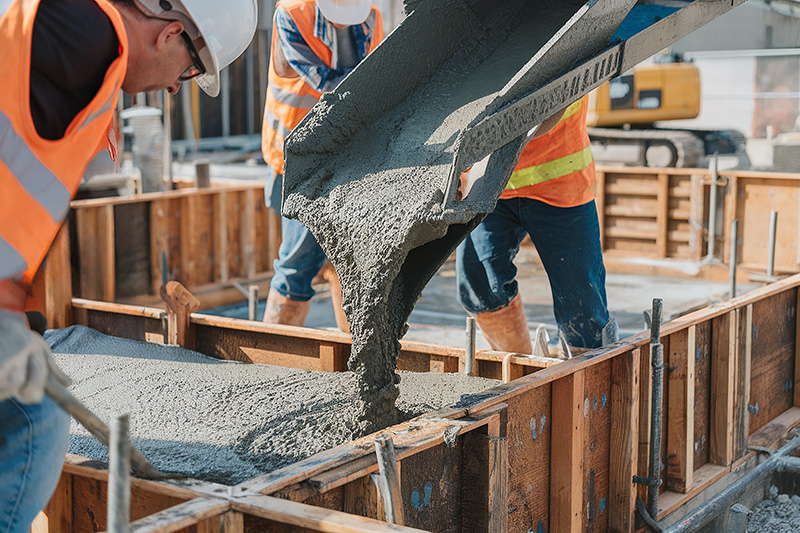
Forms, rebar, and a clean pour. We screed, float, and finish to the texture you picked, then cut control joints.
You can walk it in 24 to 48 hours. We walk the job with you and explain how to care for it through the first winter.
Still unsure about something?
Call the crew at (303) 569-4046 and we will talk it through.
Get a free, no-obligation estimate from a crew that knows Colorado soil, Colorado weather, and how to finish concrete that lasts.
Accessibility
Adjust the site to fit how you read and browse. Your choices are saved on this device.