Concrete roadways built for the long haul.
A road takes more abuse than almost anything else we pour. Delivery trucks, garbage haulers, fire apparatus, and a steady stream of cars all roll over the same lanes day after day, year after year. Concrete handles that better than asphalt. It does not rut in the heat, it does not soften under a loaded axle, and it holds its shape through decades of traffic with far less patching. For a private community, an industrial site, or a municipal street, that lower lifetime maintenance is usually what wins the argument.
We build streets, alleys, and access roads for the load they actually carry, not a guess. That means a designed thickness, a compacted and tested base, reinforcement where the traffic warrants it, and a jointing plan that decides where the concrete cracks instead of leaving it to chance. On the Front Range, where expansive clay swells and shrinks and the freeze-thaw cycle works on everything, the prep under the slab and the drainage around it matter as much as the concrete on top.
This is the honest concern with any roadway, so here is the straight answer. Concrete does develop cracks. The job is not to prevent every crack, it is to control where they happen so they stay tight, stay straight, and never turn into the broken edges and potholes you see on a failing road. We saw or tool control joints at engineered spacing, and the slab cracks at those lines instead of wandering across a lane. Under truck and bus traffic we add reinforcement, dowel the joints so loads transfer cleanly from one slab to the next, and set the thickness to the axle loads the road will see. Skip those steps and a road faults and spalls fast. Do them right and it carries the traffic for decades.
A road is only as good as what it sits on. We start by stripping unsuitable soil, then build up a compacted aggregate base and test the compaction before any concrete is ordered. On Front Range clay that step is not optional. Saturated clay pumps and loses strength under repeated loads, so we crown or cross-slope the surface and tie into curb, gutter, or roadside drainage to move water off the road and away from the subgrade. Standing water is what destroys a road here, freezing in the base and heaving the slab. Get the grade and the drainage right and the base stays dry, stable, and able to carry the load you designed it for.
The layout of joints and steel is what separates a road that lasts from one that breaks apart. We plan contraction joints to control shrinkage cracking and place them on a spacing matched to the slab thickness. At the joints that take the most load, we install dowel bars so weight transfers from slab to slab instead of pounding one edge until it faults and steps. Heavier roadways get reinforcement sized to the traffic, and we detail construction joints and isolation joints around structures, inlets, and manholes so movement has somewhere to go. None of this is visible once the road is in use, which is exactly why it gets skipped on cheaper jobs and exactly why we do not skip it.
Asphalt is cheaper to put down and faster to open to traffic, and for some jobs it is the right call. But it is a softer material that ruts under heavy wheels, bleeds and shoves in summer heat, and needs sealing and overlays on a regular cycle. Concrete costs more up front and takes longer to cure, and in return it carries heavy repeated loads for decades with far less maintenance and no rutting. For an access road that sees trucks, a service alley behind a row of businesses, or a street meant to last a generation, the math usually favors concrete over its life. We will tell you honestly which one fits your traffic and your budget.
From homes to commercial sites across the Front Range, here is where streets, alleys & access roads earns its place.
Drives serving warehouses, plants, and large properties where loaded trucks turn and brake on the same spots all day.
Alleys behind retail and residential blocks that take constant trash hauler and delivery traffic.
Roadways inside developments and HOAs that need to last decades with minimal maintenance budget.
Public street paving and repair poured to the line, grade, and spec the plans demand.
Access lanes rated for the weight of fire apparatus and other heavy responders.
Internal roads and turning areas that carry the heaviest, most concentrated loads on a site.
Concrete behaves differently at altitude. Our expansive clay soils swell with moisture and shrink when they dry, and the freeze and thaw cycle works on any surface that takes on water. Every streets, alleys & access roads project we pour accounts for both, from base preparation and drainage to air-entrained mixes, proper reinforcement, and control joints cut on time. That is how the work holds its shape and finish through Colorado winters instead of failing by spring.
You also get a written estimate before anything starts, a structural engineer on staff for the jobs that need one, and a crew that pulls and manages permits when the project calls for them. Licensed, bonded, and insured, with finishes that range from a clean broom texture to stamped, colored, and sealed.
Commercial work is judged on tolerances, schedule, and inspections. Here is what shapes a Access Roads project.
Commercial surfaces earn their keep through maintenance. Sealing, prompt joint repair, and keeping de-icing chemicals managed all extend the life of a streets, alleys & access roads and protect your investment in it. And whatever the project, the same rule applies across the Front Range: keep water from sitting on or soaking into the surface, and the concrete will reward you with decades of service.
You always know what is happening and what it costs before we mix a single yard. Here is the path from first call to final walkthrough.
We visit the site, measure, check drainage and soil, and hand you a clear written quote. No charge, no pressure.
We set the grade, thickness, reinforcement, and finish. Structural work gets engineered and permitted.
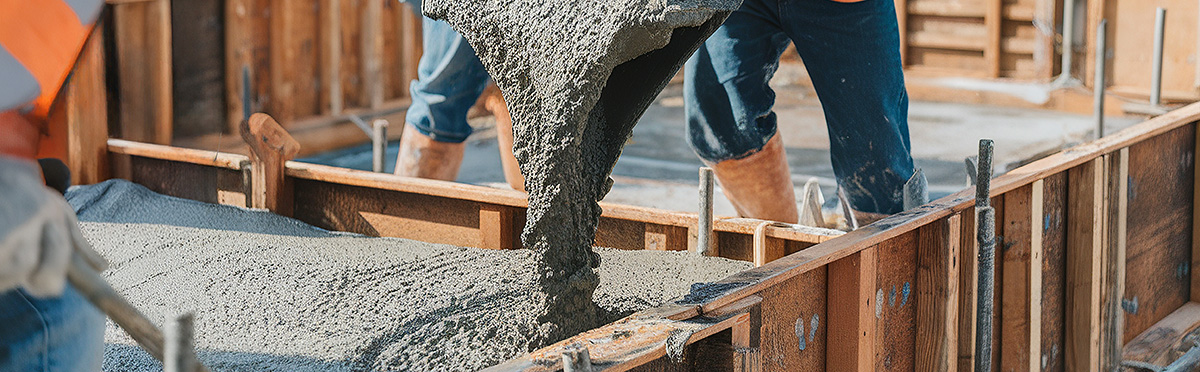
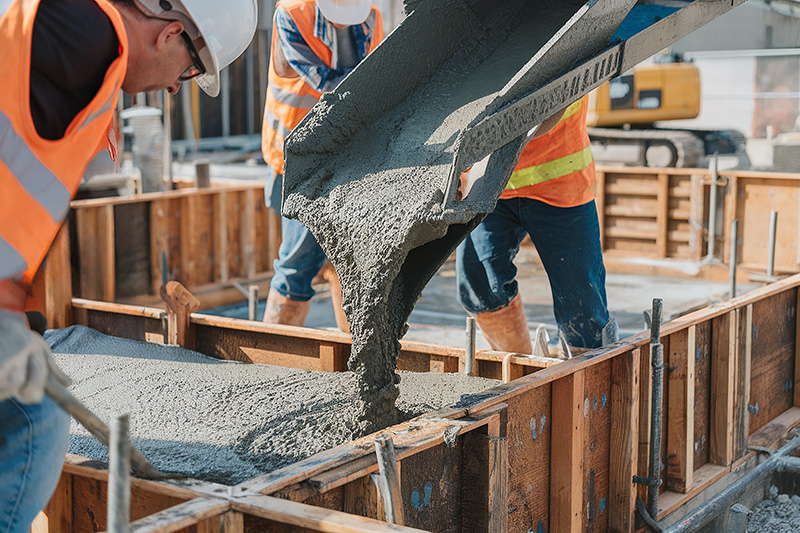
Forms, rebar, and a clean pour. We screed, float, and finish to the texture you picked, then cut control joints.
You can walk it in 24 to 48 hours. We walk the job with you and explain how to care for it through the first winter.
Still unsure about something?
Call the crew at (303) 569-4046 and we will talk it through.
Get a free, no-obligation estimate from a crew that knows Colorado soil, Colorado weather, and how to finish concrete that lasts.
Accessibility
Adjust the site to fit how you read and browse. Your choices are saved on this device.