
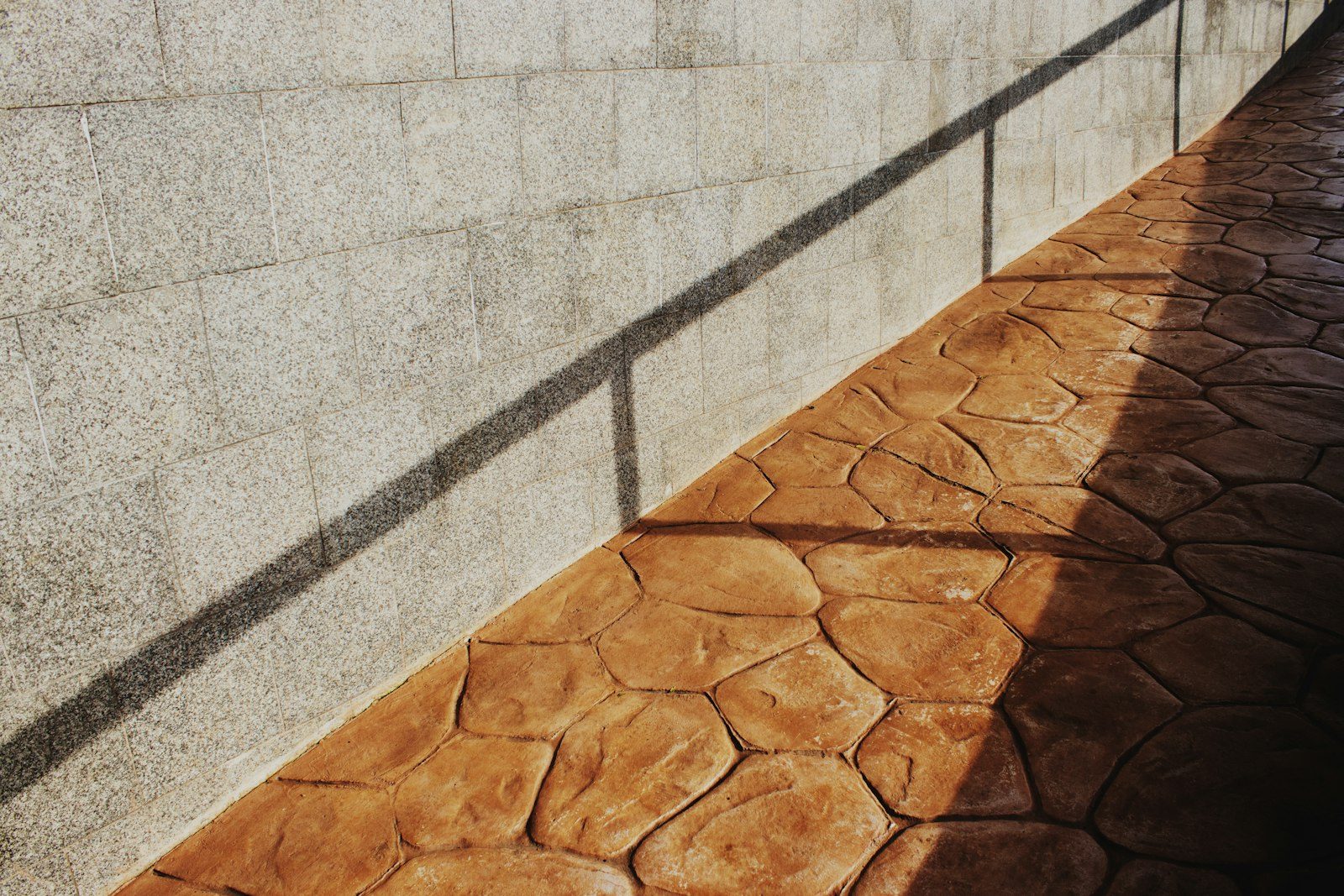
Stone at the surface, grip where the sun never reaches, and a texture that hides everything a busy yard drops on it.
This finish gets sold on looks. We would rather sell it on Tuesdays. It's the surface that shrugs off muddy dog paws, disguises the drip zone under a grill, keeps its footing when snowmelt refreezes at dusk, and doesn't record every scrape from a patio chair getting dragged sideways. Around Carriage Club and Montecito we put it exactly where daily life happens: side yards, pool surrounds, the run from the driveway to the back gate.
The look comes from washing cement paste off a fresh slab while the surface is still soft enough to release it, leaving stone standing a hair proud. That's the whole trick. No coating, no mats, nothing to match later. The texture is the concrete itself, which is why it doesn't rub away.
Nobody notices good flatwork. That's the compliment. A washed surface earns it by being boring in the right ways: rain sheets off the peaks instead of pooling into a slick film, dust and pollen settle into the valleys where your eye skips over them, and a spilled soda leaves nothing you'd spot two days later.
Bare feet are the one honest tradeoff. Coarse stone can be sharp for kids running between a pool and a door, so we size aggregate to the traffic. Rounded river rock in a smaller gauge wherever people go barefoot, harder angular stone where boots and wheelbarrows do the work.
Everything about this finish comes down to a window that opens once and closes on its own schedule. Too early and the pressure washer blasts stone right out of the paste, leaving pockmarks. Too late and the paste has locked up hard, so you're grinding rather than washing and the exposure comes out uneven and pale.
Dry air at altitude shortens that window and moves it around. A breezy June afternoon can pull the surface tight an hour early. So we plan these pours around wind and sun rather than around when the truck can get here, and we keep retarder on the trailer. One crew member does nothing but test the surface with a thumbnail from the moment finishing ends.
| Where it goes | What daily life throws at it | How the finish answers |
|---|---|---|
| Front walk | Boots, road grit tracked from the street, shade on the north side well past noon | Peaks break through a thin ice film and give a shoe something to catch |
| Pool surround | Wet feet, splash-out, chemical rinse water | Grip right where falls happen; we pair it with a matte sealer so nothing goes glassy |
| Side yard and trash run | Bin wheels, drips, dogs, hose water | Texture swallows the staining that would sit out in plain sight on a broomed slab |
| Grill and dining patio | Grease, ash, dropped food, chair legs | Darker stone reads clean between cleanings; degreaser and a stiff brush handle the rest |
| Driveway apron | Tires turning under load, plow blades, road deicer | Heavier stone and a thicker slab, or we talk you into a broom finish instead |
Fifteen minutes on site tells us where the shade sits, where water goes, and which gauge belongs in each spot.
Winters here are a run of thaw-and-refreeze cycles rather than one long deep freeze, and that's harder on flatwork than a Midwest January. Water soaks in at noon and expands by nine at night, over and over. A washed slab takes it well because there's no thin skin of paste waiting to pop loose, which is exactly why a smooth-troweled exterior slab starts scaling by year three.
Scheduling runs late spring through early fall. May, June, September, and early October give the most predictable wash windows, and high summer works when we start at first light. We don't run these pours cold. Chilled concrete stretches the set time into something unmanageable and the wash comes out patchy.
Still unsure about something?
Call the crew at (303) 569-4046 and we will talk it through.
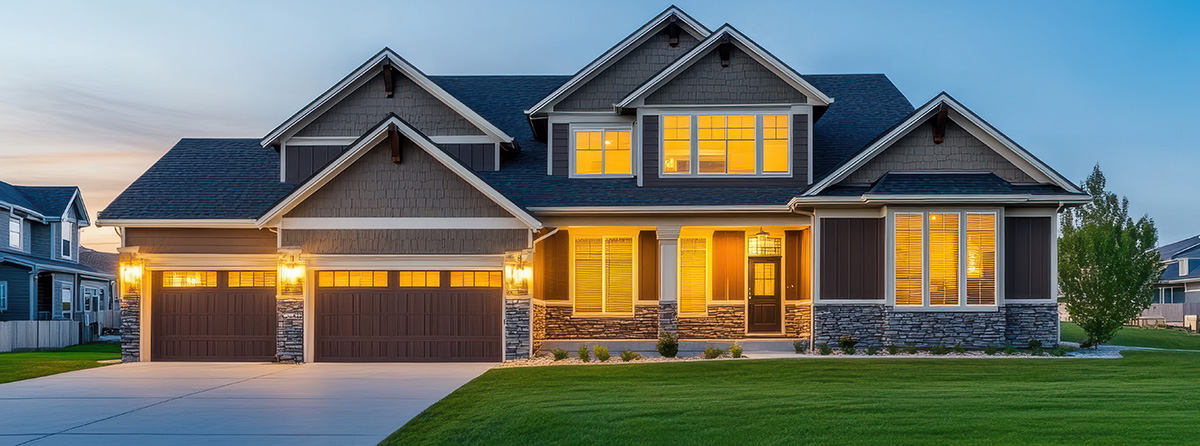
Get a free, no-obligation estimate from a crew that knows Colorado soil, Colorado weather, and how to finish concrete that lasts.
Accessibility
Adjust the site to fit how you read and browse. Your choices are saved on this device.