The look of stone or plank at a fraction of the cost.
Stamped concrete gives you the texture and pattern of natural stone, brick, slate, or wood plank in a single poured surface, with no joints to pull weeds from and no pavers to settle and trip on. While the concrete is still fresh, we press patterned mats into it and work in color, so what cures is one solid, continuous slab that simply looks like a far more expensive material.
That combination of high-end looks and one-piece durability is why stamped concrete shows up everywhere from backyard patios to hotel entrances. It costs less to install than natural stone or pavers, and because there are no individual units to shift, it stays flat and even for years. The catch is that it has to be done right: the pattern, the color, the jointing, and especially the sealer all have to be handled by someone who has poured a lot of it in Colorado's climate.
The pattern is what sells the illusion, and the range is wide. Ashlar slate and random stone give a natural, irregular look that suits most homes. Running-bond and herringbone brick read classic and formal. Cobblestone and old-world European fan patterns work for courtyards and walkways. Wood-plank stamps have taken off for patios and pool decks that want the warmth of a deck without the rot, splinters, and yearly staining. We help you match the pattern to your home's architecture and set custom borders so the field looks intentional, not pulled off a shelf.
It can be, and anyone who tells you otherwise has not stood on a glossy, over-sealed patio after a rainstorm. A smooth stamp finished with a straight high-gloss sealer gets slick when it is wet or icy. That is exactly why we do not finish it that way. We broadcast a fine anti-slip grit additive into the sealer, which you cannot really see but can absolutely feel underfoot, and the stamped texture itself breaks up the surface so water and shoes have something to grab. On pool decks, sloped walkways, and shaded north-side patios where ice lingers, we lean on more texture and more grit, because grip matters more there than a mirror shine. Done right, a stamped surface is safe to walk wet or dry, all year.
Color is built up in layers. Integral color mixed through the slab gives a consistent base tone, a broadcast color hardener strengthens and tints the surface, and an antiquing release agent settles into the recesses for the depth and variation that real stone has. At a mile high and above, UV is brutal on color, so we steer toward UV-stable tones and seal the work to lock it in. Plan on resealing every two to three years depending on sun and traffic, and the color stays rich for the long haul instead of chalking out.
Pavers and flagstone look great on day one, but they are individual pieces sitting on a base, and over our freeze and thaw they shift, settle, sprout weeds in the joints, and grow the uneven spots that catch a toe. Stamped concrete is one monolithic slab, so there are no joints to weed and nothing to settle out of plane. It installs for less than natural stone, needs less maintenance than pavers, and when it is reinforced and jointed correctly it rides out Colorado winters as one piece. The tradeoff is that a cracked paver can be swapped out, while concrete is repaired in place, which is one more reason the base prep and jointing have to be right the first time.
From homes to commercial sites across the Front Range, here is where stamped concrete earns its place.
The most popular use, where stamped patterns turn a plain slab into an outdoor room that looks like flagstone or wood plank.
Stamped borders and running patterns guide the eye and tie the front walk into the entry and driveway.
Slip-aware stamped textures stay cooler than dark pavers and give grip right where water and bare feet meet.
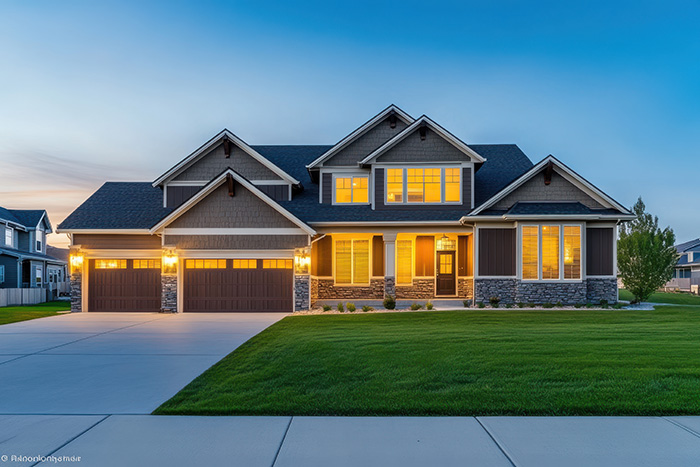
A stamped border or full field lifts curb appeal while wearing as one solid, vehicle-rated slab.
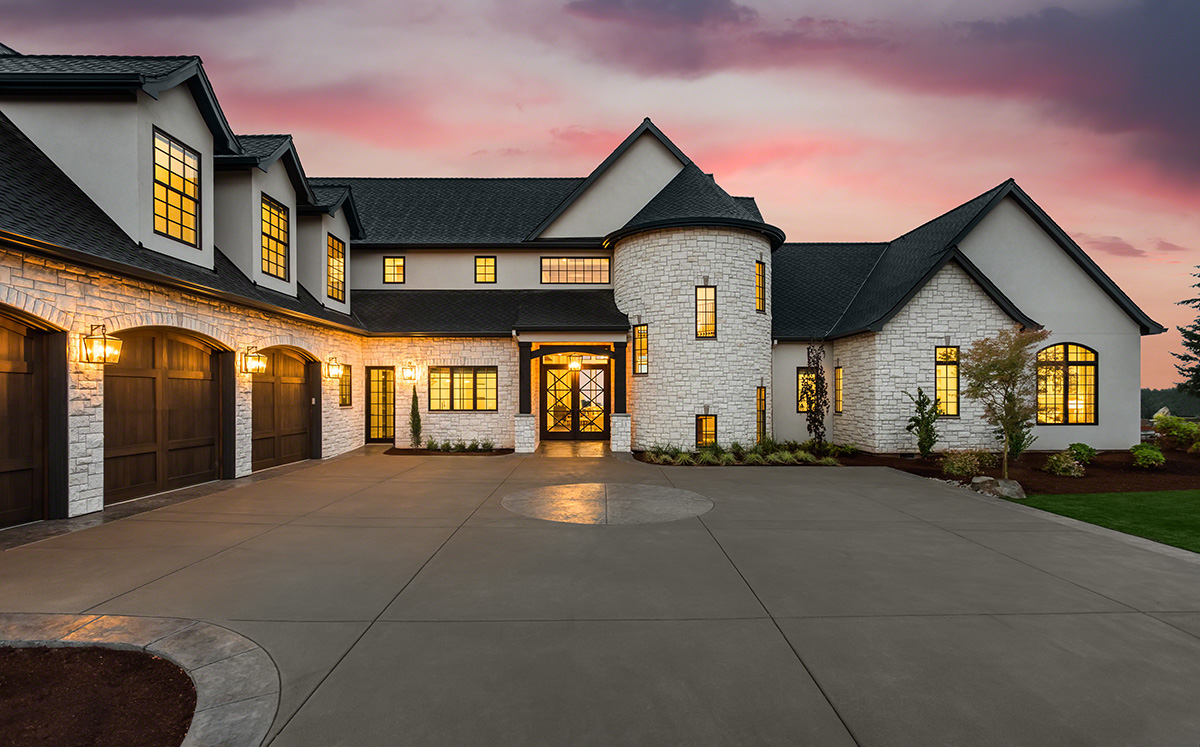
A stamped entry is the first thing guests step on, and it sets the tone for the whole home.
Old-world patterns suit courtyards, and durable stamped entries handle the foot traffic of a storefront or office.
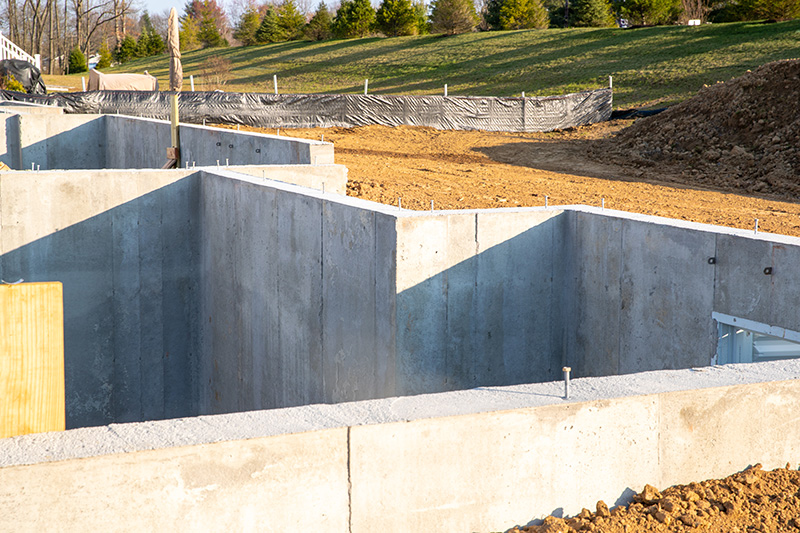
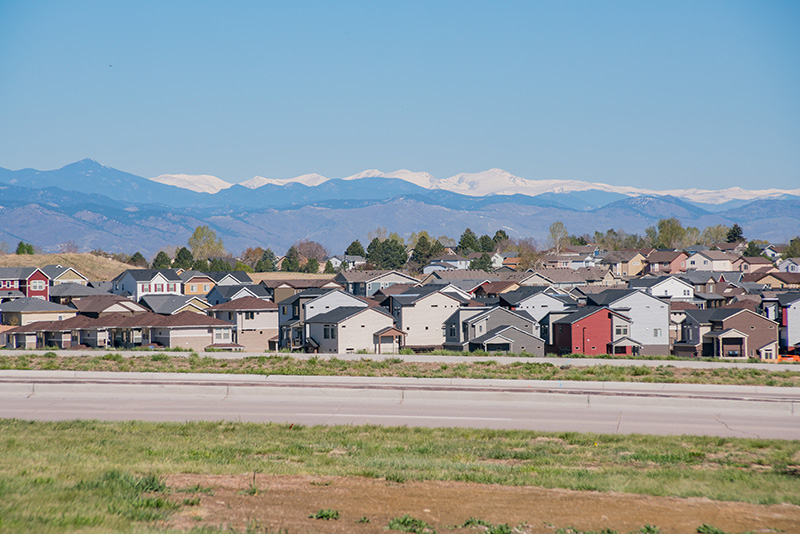
Concrete behaves differently at altitude. Our expansive clay soils swell with moisture and shrink when they dry, and the freeze and thaw cycle works on any surface that takes on water. Every stamped concrete project we pour accounts for both, from base preparation and drainage to air-entrained mixes, proper reinforcement, and control joints cut on time. That is how the work holds its shape and finish through Colorado winters instead of failing by spring.
You also get a written estimate before anything starts, a structural engineer on staff for the jobs that need one, and a crew that pulls and manages permits when the project calls for them. Licensed, bonded, and insured, with finishes that range from a clean broom texture to stamped, colored, and sealed.
Decorative concrete lives on the details, and the price reflects them. Here is what shapes a Stamped Concrete project.
Color and texture are protected by sealer, and sealer wears. Plan to reseal stamped concrete every few years to keep the color rich and the surface shedding water. A gentle wash and prompt snow removal are all the routine care it needs between reseals. And whatever the project, the same rule applies across the Front Range: keep water from sitting on or soaking into the surface, and the concrete will reward you with decades of service.
You always know what is happening and what it costs before we mix a single yard. Here is the path from first call to final walkthrough.
We visit the site, measure, check drainage and soil, and hand you a clear written quote. No charge, no pressure.
We set the grade, thickness, reinforcement, and finish. Structural work gets engineered and permitted.
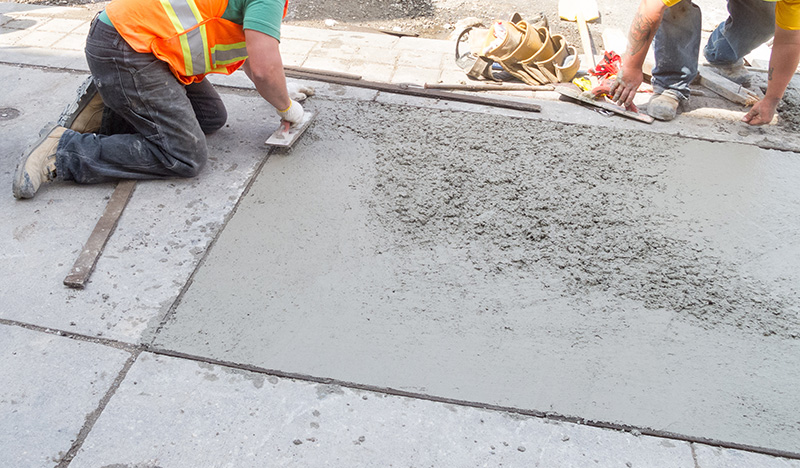
Forms, rebar, and a clean pour. We screed, float, and finish to the texture you picked, then cut control joints.
You can walk it in 24 to 48 hours. We walk the job with you and explain how to care for it through the first winter.
Still unsure about something?
Call the crew at (303) 569-4046 and we will talk it through.
Get a free, no-obligation estimate from a crew that knows Colorado soil, Colorado weather, and how to finish concrete that lasts.
Accessibility
Adjust the site to fit how you read and browse. Your choices are saved on this device.