A hard, low-maintenance floor with a refined sheen.
Polished concrete is the slab you already have, refined into a finished floor. We run diamond tooling across the surface in progressively finer steps, then densify and seal it, until the concrete itself becomes the floor you walk on. There is no tile to crack, no coating to peel, no wax to strip and reapply. You choose the sheen, from a soft matte that hides foot traffic to a high gloss that reads almost like stone, and you get a surface that shrugs off rolling loads, dropped tools, and years of cleaning.
For Front Range homes and businesses, that durability matters. Our dry winters and big temperature swings are hard on coatings that sit on top of concrete, and high-altitude UV fades a lot of finishes fast. A polished floor is the concrete, hardened from within, so there is no film to break down. It works in a modern kitchen or living space, a retail showroom, a shop, or a warehouse aisle, and it keeps looking right with little more than a dust mop and the occasional damp clean.
Polishing is grinding, not coating. We start with coarse diamond segments to open up the surface and flatten high spots, then step down through finer and finer grits. Somewhere in that sequence we apply a chemical densifier, usually a lithium or sodium silicate, which soaks in and reacts with the concrete to harden it from the inside. The finer passes that follow close the surface tight and bring up the shine. The sheen you end up with is a direct result of how high we take the grit, not a glossy layer sitting on top. That is why a polished floor cannot peel or delaminate the way an epoxy or an acrylic seal eventually can. The shine is the stone in the slab, refined.
This is the fair question, and the honest answer is that a dry polished floor has more grip than people expect, but a wet one can get slick, especially at high gloss. We do not pretend otherwise. The shine does not change traction much by itself; water, spilled product, or tracked-in snowmelt is what makes any hard floor slippery, polished or not. If your floor will see water, near an entry that catches Colorado slush, a kitchen, a wash bay, we plan for it. That can mean holding the gloss to a satin level, adding an anti-slip conditioner to the final sealer, or treating high-traffic zones differently. We would rather talk through where the water goes before we polish than hand you a beautiful floor that bites in winter.
We polish both, and the slab condition drives the result. A new slab gives us the most control: a clean, well-cured pour with the right hardness takes polish evenly and reaches a higher gloss with less fight. An existing floor is more of a read. We look at how hard the concrete is, how exposed the aggregate sits, and what is in it, old adhesive, paint, oil staining, surface cracks. A sound existing slab can polish up beautifully. One that is soft, badly spalled, or full of patchwork may need grinding deep enough to expose more aggregate, or it may be a better candidate for an overlay first. We tell you honestly which way your floor leans before any tooling touches it.
A polished floor is not stuck being plain gray. How deep we grind sets the look: a light cut keeps a smooth, mostly cement surface with little stone showing, while a deeper cut exposes the sand and aggregate for a terrazzo-like speckle. Dyes go on during the process to add warm or cool tone, worked into the densified surface rather than painted over it. And the final grit sets the sheen, from a low matte that reads soft and modern to a high gloss with real reflection. We walk you through samples so you are choosing a finish you have actually seen, not picking a number off a chart and hoping.
From homes to commercial sites across the Front Range, here is where polished concrete earns its place.
Open living spaces, kitchens, and basements where a low-maintenance floor with a clean, current look fits the design.
A polished sales floor handles cart and foot traffic all day and gives products a bright, reflective surface to sit on.
A densified, sealed floor stands up to rolling tool chests, jacks, and dropped hardware without chipping like a coating.
Forklift and pallet-jack traffic rides on a hard, dust-controlled surface that is easy to keep clean.
Back-of-house and taproom floors that wipe clean and hold up to constant traffic, with traction planned for wet zones.
A finished concrete floor that reads professional, cleans easily, and skips the cost and upkeep of carpet or tile.
Concrete behaves differently at altitude. Our expansive clay soils swell with moisture and shrink when they dry, and the freeze and thaw cycle works on any surface that takes on water. Every polished concrete project we pour accounts for both, from base preparation and drainage to air-entrained mixes, proper reinforcement, and control joints cut on time. That is how the work holds its shape and finish through Colorado winters instead of failing by spring.
You also get a written estimate before anything starts, a structural engineer on staff for the jobs that need one, and a crew that pulls and manages permits when the project calls for them. Licensed, bonded, and insured, with finishes that range from a clean broom texture to stamped, colored, and sealed.
Decorative concrete lives on the details, and the price reflects them. Here is what shapes a Polished Concrete project.
Color and texture are protected by sealer, and sealer wears. Plan to reseal polished concrete every few years to keep the color rich and the surface shedding water. A gentle wash and prompt snow removal are all the routine care it needs between reseals. And whatever the project, the same rule applies across the Front Range: keep water from sitting on or soaking into the surface, and the concrete will reward you with decades of service.
You always know what is happening and what it costs before we mix a single yard. Here is the path from first call to final walkthrough.
We visit the site, measure, check drainage and soil, and hand you a clear written quote. No charge, no pressure.
We set the grade, thickness, reinforcement, and finish. Structural work gets engineered and permitted.
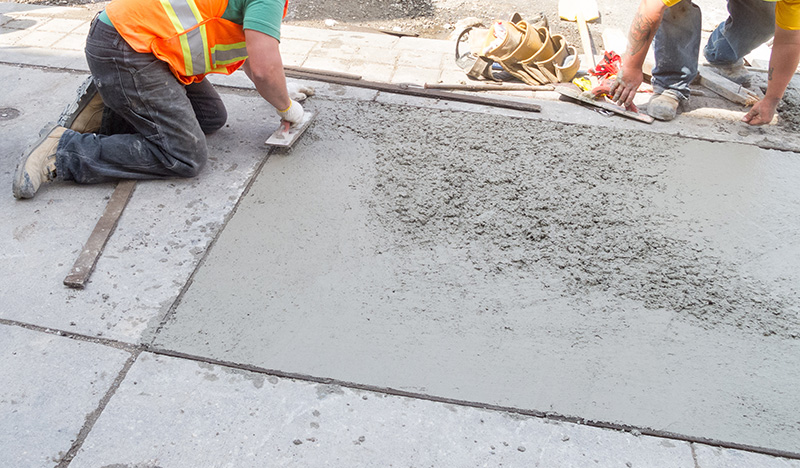
Forms, rebar, and a clean pour. We screed, float, and finish to the texture you picked, then cut control joints.
You can walk it in 24 to 48 hours. We walk the job with you and explain how to care for it through the first winter.
Still unsure about something?
Call the crew at (303) 569-4046 and we will talk it through.

Get a free, no-obligation estimate from a crew that knows Colorado soil, Colorado weather, and how to finish concrete that lasts.
Accessibility
Adjust the site to fit how you read and browse. Your choices are saved on this device.