Lightweight foam lifting with minimal disruption.
Polyurethane foam leveling fixes sunken concrete without tearing it out. We drill a set of small ports through the slab, inject expanding structural foam underneath, and the foam fills the empty space the soil left behind. As it expands it lifts the slab back to where it belongs. The holes are dime-sized, the foam sets in minutes, and most driveways, walks, and patios are back in service the same day.
On the Front Range, slabs sink for a reason. Expansive clay swells when it gets wet and shrinks when it dries, and that cycle pumps soil out from under your concrete season after season. Water from a downspout or a bad grade washes the base away even faster. Freeze and thaw works the void open a little more every winter. Foam leveling closes that void with material that will not wash out and does not soak up water, which is exactly the problem you are fighting in this soil.
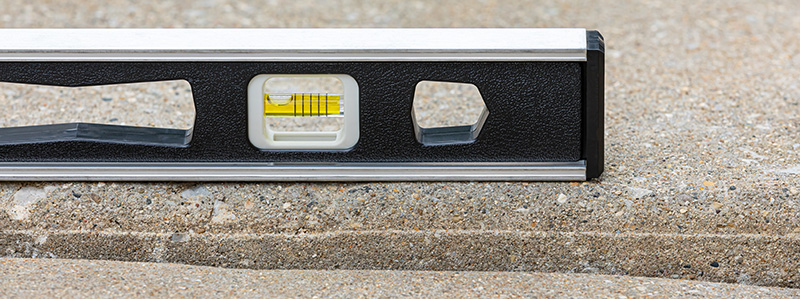
We start by finding where the slab dropped and what is under it. Then we drill ports about the size of a penny through the concrete, usually five-eighths of an inch, and thread injection lines through them. The two-part polyurethane mixes at the tip, reacts, and expands to many times its starting volume. That expansion does two things at once. It fills every void and channel under the slab, and the controlled pressure raises the concrete back to grade. We watch the slab with levels as it comes up so we stop at the right spot, not past it. When the lift is done we patch the ports with fresh concrete, and the foam is fully cured by the time we pull off the site.
Both methods raise a sunken slab by filling the space beneath it, and both cost far less than replacement. The difference is the material. Mudjacking pumps a cement-based slurry, which is heavy and does a great job under large, thick slabs. Foam is light, so it adds almost no weight to soil that is already struggling to hold what is on top of it. Foam needs smaller holes, cures in minutes instead of hours, and shrugs off water once it sets. For a slab that sank because water keeps washing the base out, the washout resistance is the deciding factor. We will look at your slab and tell you straight which method fits, and we offer both.
This is the honest worry with any slab lifting, and it deserves a straight answer. Foam will not break down, soak up water, or wash away, so the material itself does not fail. What can bring a slab back down is the same thing that sank it the first time: water still finding its way under the concrete. If a downspout dumps next to the slab or the grade pitches toward the house, the clay keeps moving and no lift holds forever. That is why we look at where the water is coming from before we inject a single port. We point out the drainage problem, fix the grade or downspout where we can, and fill the void so the soil has less room to shift. Handle the water and a foam lift holds for the long run.
Foam lifts slabs that are sound but sitting too low. It does not rebuild concrete that is already failing. If a slab is broken into several pieces, crumbling at the surface, or cracked clean through in multiple directions, lifting it just raises a broken slab, and we will tell you so. The same goes for concrete that has heaved upward from swelling clay rather than sunk, which is a different problem that foam does not solve. We give a free, no-obligation estimate where we walk the slab with you, and if a fresh pour is the better value we say it plainly instead of selling you a lift that will not last.
From homes to commercial sites across the Front Range, here is where polyurethane foam leveling earns its place.
Raise a driveway slab that has dropped toward the garage or sunk at the apron so it sheds water and parks level again.
Lift a settled walk section back flush with the next, killing the trip edge that catches toes and snow shovels.
Bring a patio that has tilted toward the house back to a slope that drains away from the foundation.
Fill voids and lift a settled garage slab so the floor sits flat under vehicles and storage.
Re-level a deck or porch slab that settled at one corner without disturbing the surrounding finish.
Pump foam into washouts and gaps below a slab to support it before the next freeze opens them wider.
Concrete behaves differently at altitude. Our expansive clay soils swell with moisture and shrink when they dry, and the freeze and thaw cycle works on any surface that takes on water. Every polyurethane foam leveling project we pour accounts for both, from base preparation and drainage to air-entrained mixes, proper reinforcement, and control joints cut on time. That is how the work holds its shape and finish through Colorado winters instead of failing by spring.
You also get a written estimate before anything starts, a structural engineer on staff for the jobs that need one, and a crew that pulls and manages permits when the project calls for them. Licensed, bonded, and insured, with finishes that range from a clean broom texture to stamped, colored, and sealed.
A good repair starts with an honest read of what failed and why. Here is what shapes a Foam Leveling project.
After a polyurethane foam leveling, the best protection is keeping water managed around the slab so the problem does not return. Reseal repaired surfaces, keep drainage flowing away, and address new cracks early before they spread. And whatever the project, the same rule applies across the Front Range: keep water from sitting on or soaking into the surface, and the concrete will reward you with decades of service.
You always know what is happening and what it costs before we mix a single yard. Here is the path from first call to final walkthrough.
We visit the site, measure, check drainage and soil, and hand you a clear written quote. No charge, no pressure.
We set the grade, thickness, reinforcement, and finish. Structural work gets engineered and permitted.
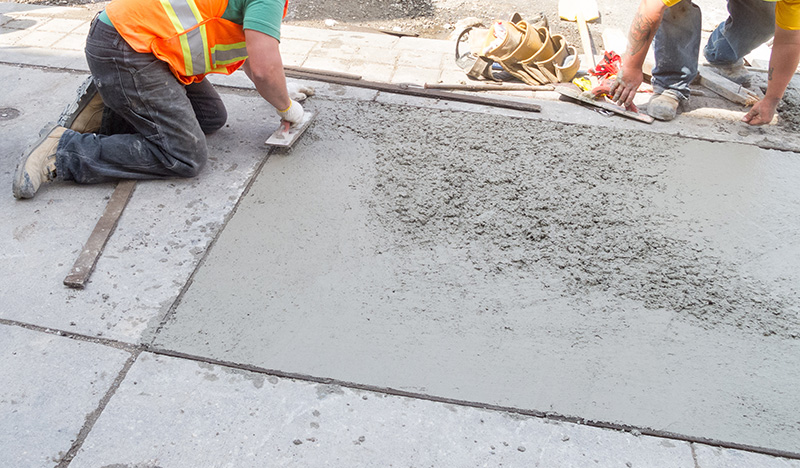
Forms, rebar, and a clean pour. We screed, float, and finish to the texture you picked, then cut control joints.
You can walk it in 24 to 48 hours. We walk the job with you and explain how to care for it through the first winter.
Still unsure about something?
Call the crew at (303) 569-4046 and we will talk it through.

Get a free, no-obligation estimate from a crew that knows Colorado soil, Colorado weather, and how to finish concrete that lasts.
Accessibility
Adjust the site to fit how you read and browse. Your choices are saved on this device.