
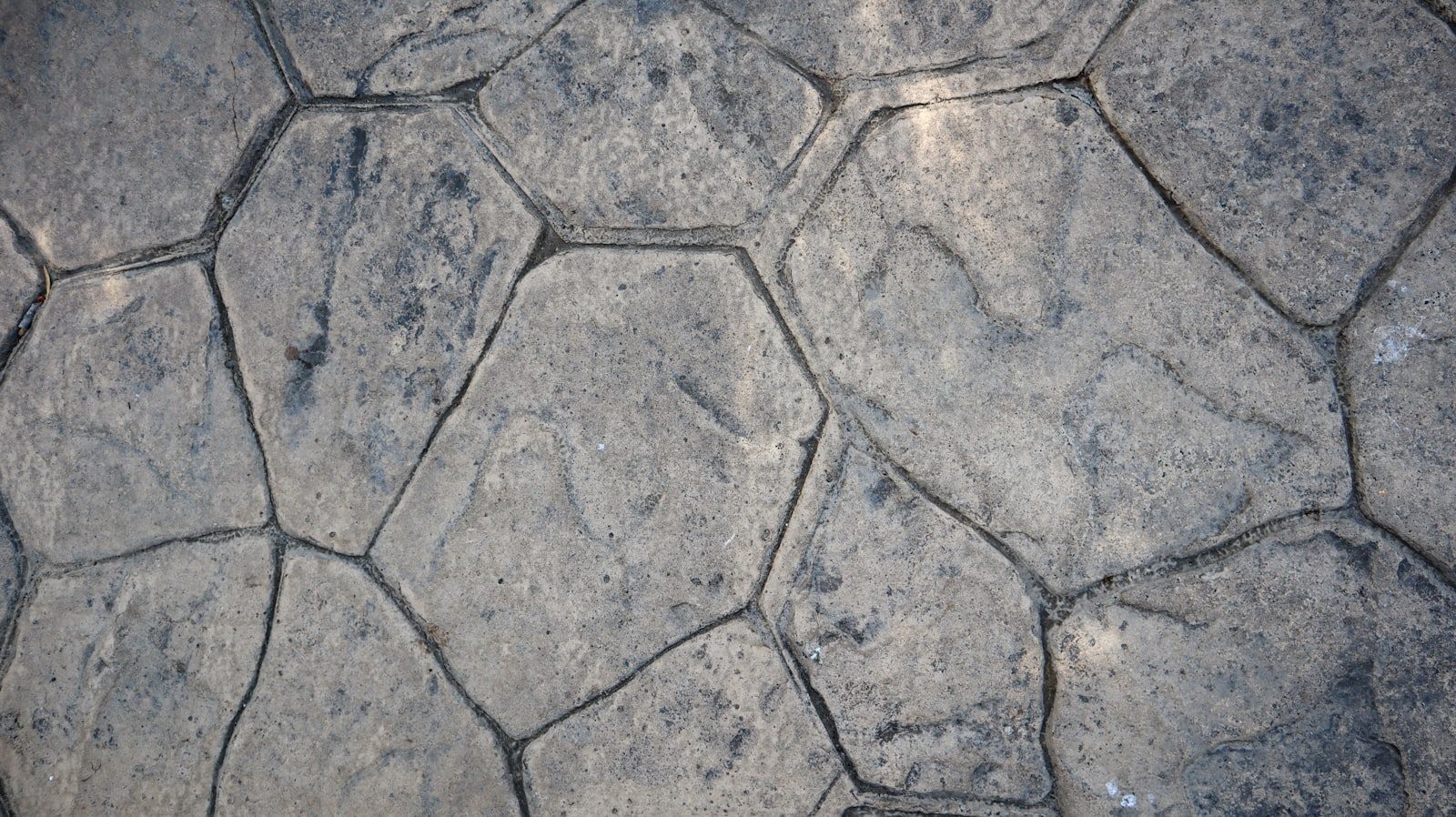
Pattern and color for a town that was built in builder gray.
Highlands Ranch went up in waves, and every wave got the same flatwork: plain gray driveway, plain gray walk, plain gray pad out back. In Northridge and Westridge that concrete is now decades old, and when it finally comes out, you get a choice the original builders never offered. Replace gray with gray, or come back with a surface that looks chosen instead of issued.
Stamped concrete is how most of our customers take the second option. Underneath, it's the same 4,000 PSI exterior slab we always pour. On top, it's textured and colored to read as stone, slate, or wood plank. Done well, it changes how the whole front of the house presents. Done cheap, it fades to blotch inside three Colorado summers, so the gap between the two is worth understanding before you sign anything.
The work follows the age of the housing stock. Northridge and Westridge lead the tear-outs, because that's where original flatwork is giving up, and homeowners already paying for demolition often spend a little more to come back with texture and color. Eastridge and Southridge sit mid-cycle; there we do a lot of stamped patios and front-walk upgrades while the driveway soldiers on for another few years. And in BackCountry and The Hearth, stamped surfaces tend to be part of the landscape plan from the start, matched to homes that never had a builder-gray phase at all.
Wherever you sit in the Ranch, exterior changes get documented for the HRCA. We hand over the pattern name, color specs, and finished photos so your file is complete without you chasing paperwork.
| Question | Stamped concrete | Pavers |
|---|---|---|
| The look | Continuous surface, patterns from cut slate to wood plank | Individual units with joint lines everywhere |
| Weeds and ants | Nothing to grow or tunnel through | Joint sand invites both without regular top-ups |
| Freeze-thaw behavior | Moves as one slab; joints manage the cracking | Single units heave and settle out of plane |
| Shoveling snow | Smooth passes, plastic edge recommended | Blade catches every raised corner |
| Spot repairs | Tough to patch invisibly | One unit swaps out clean |
| Our honest take | The better look per dollar across big areas | Worth it where you'll need access to buried lines |
Color is where 5,920 feet shows up. UV here works on pigment the way it works on deck stain, so we mix integral color through the full depth of the load rather than dusting it on a surface that traffic wears through. The release agent adds the darker antiquing down in the texture, and a quality sealer locks both in. That sealer is sacrificial on purpose. It absorbs the sun and the freeze-thaw punishment so the color underneath doesn't, and it needs renewing every two to three years. Let two cycles slide and the finish goes chalky; keep up and stamped work here stays sharp for decades.
Timing matters more for stamped than for plain gray, too. The stamping window is short, and hot dry afternoons slam it shut, so summer pours start at first light. May, June, and September hand us the friendliest conditions. Cold-month stamped pours can be done with heated water and blankets, but we'd rather hold your project for a clean window than rush texture into a slab that's fighting the temperature.
We bring sample boards and photos of pattern and color combinations. Call (303) 569-4046 and we'll set a time.
The stamped jobs that fail around here fail at the sealer, not the slab. People pour a beautiful patio, admire it for five years, and never coat it again. The color doesn't quit; the protection does. Stay on the schedule and the pattern outlasts the fence, the deck, and probably the roof.The crew lead's read on it
Still unsure about something?
Call the crew at (303) 569-4046 and we will talk it through.
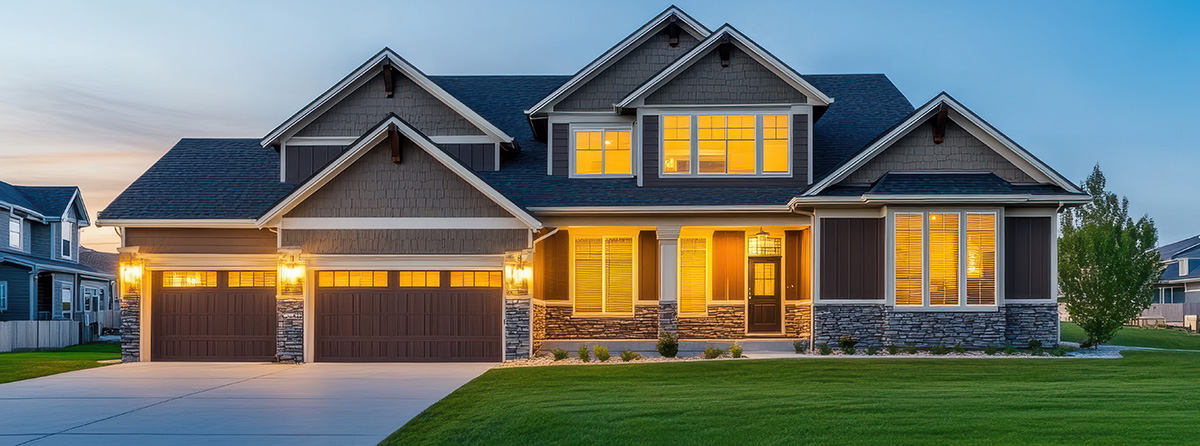
Get a free, no-obligation estimate from a crew that knows Colorado soil, Colorado weather, and how to finish concrete that lasts.
Accessibility
Adjust the site to fit how you read and browse. Your choices are saved on this device.