
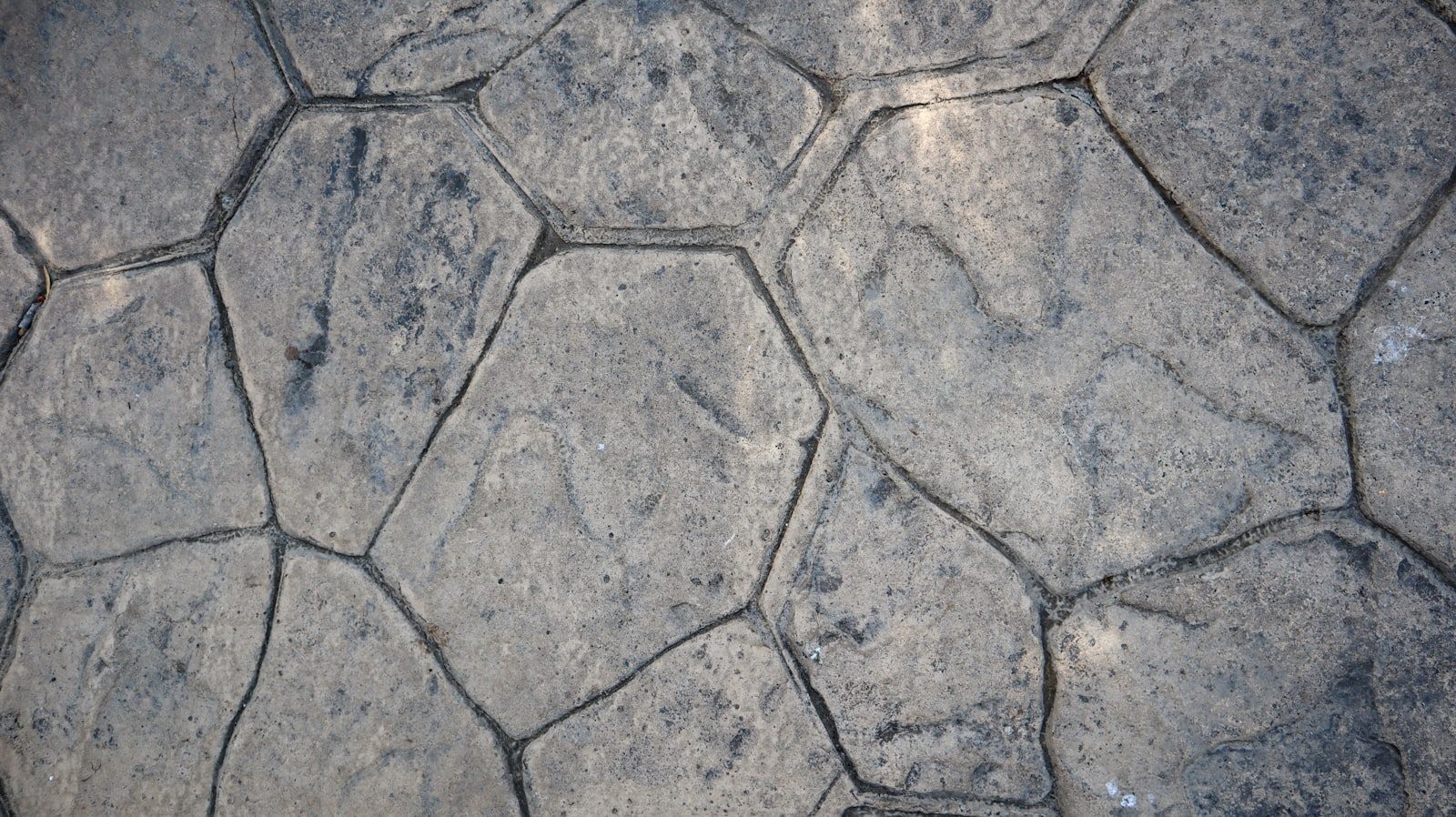
Pattern and color that still look right after a Colorado winter has done its worst.
There's a week every October when Front Range weather performs its favorite trick: 78 degrees on Tuesday, snow on the ground Friday morning. That whiplash is the true test of stamped concrete. If the color layer isn't protected, melt soaks in, the melt freezes overnight, and by spring a surface that looked like quarried slate looks like it has a skin condition. Stamped work done right sails through that week for decades. Stamped work done cheap gets found out the very first winter.
We build the version that sails through. A real base and steel underneath, because pattern means nothing on a slab that's cracking. Color hardener worked into the surface instead of a tissue-thin tint sprayed on top. And a resealing schedule handed to you in writing, because up here the sun works on decorative finishes eleven months a year and maintenance is part of the honest pitch. Anybody who skips that part is selling, not building.
Stamped concrete looks best when it agrees with the architecture around it. Near Washington Park and Park Hill, ashlar slate and worn-stone textures sit naturally beside brick bungalows. Wood-plank stamps have taken off with the newer builds in Central Park, where they read as deck-without-the-splinters. Cherry Creek leans modern, so we do more large-format, low-texture patterns there with crisp saw-cut lines. For front walks in the Highlands and Berkeley, a subtle texture with a border course keeps things quiet from the street.
Color is where we talk people off the ledge. Strong contrast fades fastest at altitude; the UV at 5,280 feet bleaches dramatic accent colors years before it touches earth tones. Two coordinated shades, an integral base color with a release accent, ages better than anything loud. The goal is neighbors asking whether it's real stone, not asking what happened to it.
| Question | Stamped concrete | Pavers |
|---|---|---|
| The look | One continuous surface; pattern and color chosen once | Modular pieces with visible joints throughout |
| Weeds and ants | No joints for either one to move into | Joint sand needs topping up; gaps invite both |
| Freeze-thaw at altitude | Air-entrained slab moves as one piece, protected by sealer | Individual units can heave and settle one at a time |
| Repairs | Damage is harder to patch invisibly | Single units swap out cleanly |
| Upkeep | Reseal every couple of years | Re-sand joints, pull weeds, relevel the occasional sinker |
| Our verdict | Our pick for patios and walks chasing a stone look | Better where you expect piecemeal changes down the road |
We bring sample boards and color chips to the estimate. Free, and it takes half an hour. (303) 569-4046.
Three forces work on stamped surfaces here harder than almost anywhere. First the sun: thinner atmosphere means stronger UV, which is why unsealed color goes chalky fast on south-facing exposures. Second, freeze-thaw: a winter surface up here can cross the freezing line dozens of times, and any water that slips past a worn sealer expands in the color layer and lifts it. Third, deicers, especially the magnesium chloride that gets tracked in off city streets on tires and boots; it quietly eats finished surfaces all winter.
Our answers are baked into the build. Air-entrained 4,000 PSI mix so freezing water has room to expand. Dry-shake color hardener that densifies the surface instead of just tinting it. A quality sealer applied on schedule. And a first-winter rule we repeat until it sticks: sand for traction, nothing else. Hail, for what it's worth, mostly bounces off a cured slab; it's the July storm over a half-finished pour that scares us, which is why summer stamp jobs start at first light with plastic staged at the edge of the forms.
Stamped pours want a friendlier forecast than plain gray flatwork. We're working the surface longer, timing the stamps to the set, and protecting color at every step, so temperature swings and surprise weather cost more here than on a broom finish. That makes May, June, September, and early October the sweet months. High summer is fine with a dawn start. Winter is where we draw a different line than some outfits: stamped concrete is the one service we'd rather push to spring than force under blankets, because cold placement shortens the stamping window and the pattern is the whole point.
So use winter for the fun part. Patterns, colors, borders, layout. Homeowners who lock a design in January get first pick of the spring calendar, and the slab hits its stride right as patio season opens.
Sealer is the whole ballgame with stamped. Every rough-looking slab we get called back to, years on, is one that never got its second coat. The concrete underneath is always fine. It just spent a decade in Colorado sun without sunscreen.What our crew lead tells homeowners
Still unsure about something?
Call the crew at (303) 569-4046 and we will talk it through.
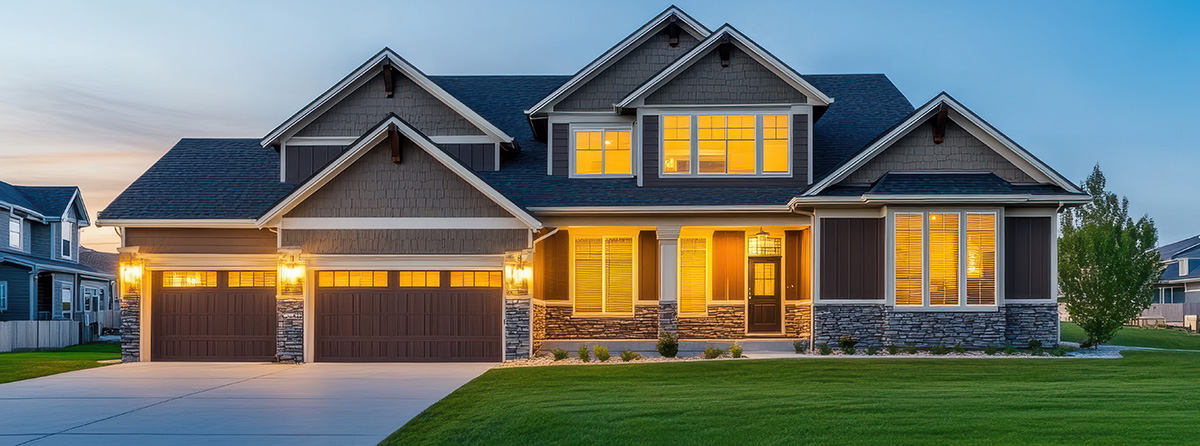
Get a free, no-obligation estimate from a crew that knows Colorado soil, Colorado weather, and how to finish concrete that lasts.
Accessibility
Adjust the site to fit how you read and browse. Your choices are saved on this device.