
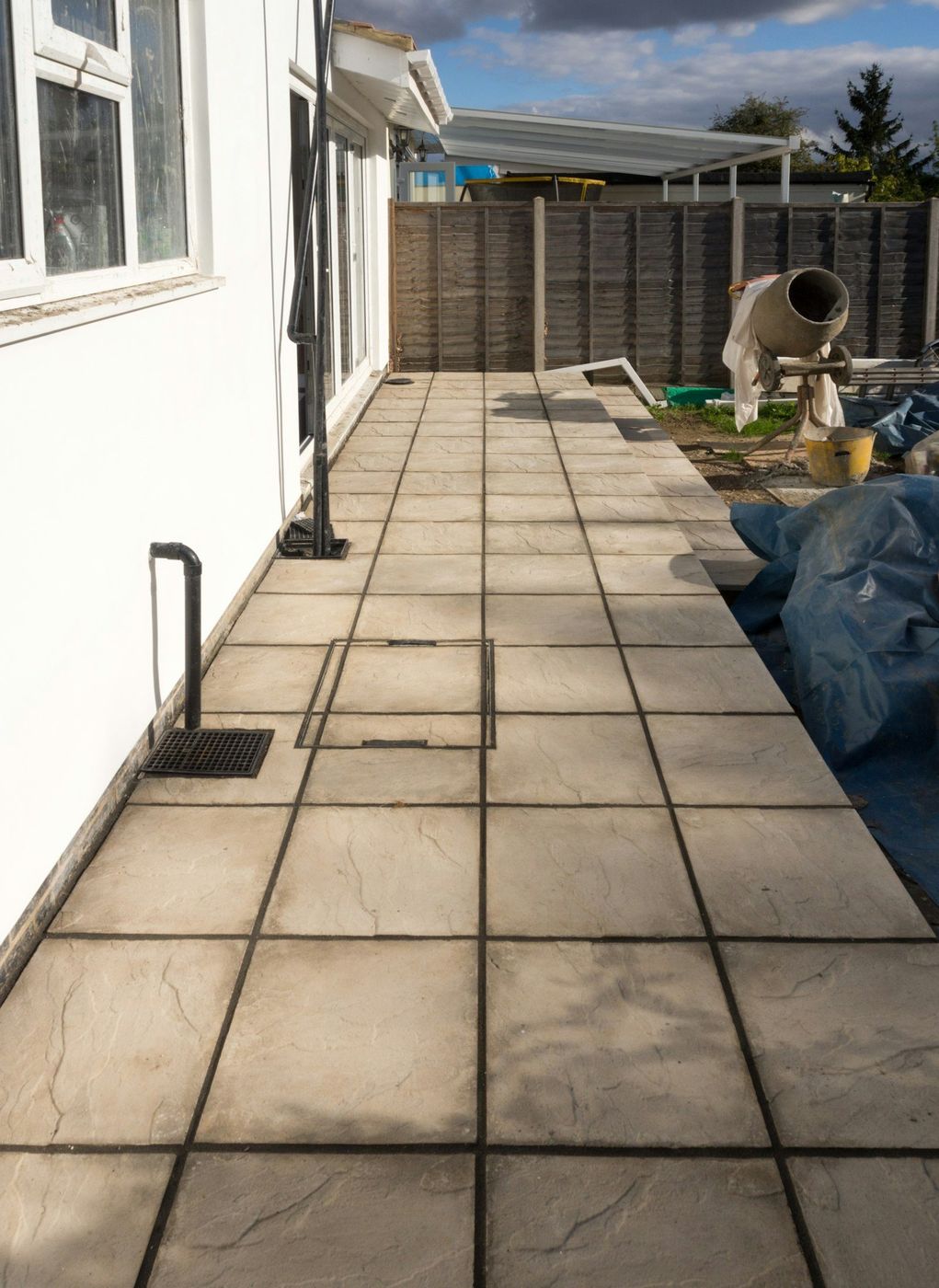
Patios planned around Front Range evenings: the storm rolls through at five, you're outside by seven.
There's a rhythm to summer evenings here. The thunderheads stack up over the Front Range by mid afternoon, dump their twenty minutes of drama, and clear off. By seven the air is washed, the light goes gold, and at 6,224 feet it's cool enough to actually enjoy sitting outside. That two-or-three-hour window is what a Castle Rock patio is really for, and it's what we design around.
A patio that works in this climate isn't just a rectangle of concrete off the back door. It's placed for where the shade falls in July, sized for the furniture you actually own, pitched so that five o'clock storm drains away from your foundation instead of into it, and finished with a surface that shrugs off hail, high-altitude sun, and forty freeze-thaw swings a winter. We build all of that into the plan before a single form stake goes in.
High-altitude sun changes the math. A west-facing patio with no shade is a frying pan from three to six in July, right when you'd want to use it. So we look at your lot's orientation before we talk square footage. Sometimes the answer is shifting the patio ten feet to catch the shadow of the house. Sometimes it's planning the slab to carry a pergola later, with footings poured now.
On size, measure your intentions. A table for six needs room to slide chairs back without a leg dropping off the edge. A grill zone wants its own real estate out of the traffic line. We'd rather you pour it right once than call us in two years to add the strip you wished you had.
| Finish | What it gives you | What to know at altitude |
|---|---|---|
| Broom finish | Grip underfoot, lowest cost, easy repairs | The workhorse. Handles hail and freeze cycles without complaint |
| Exposed aggregate | Stone texture, hides dirt, very durable | Great traction when wet; keep it sealed so the matrix stays tight |
| Stamped patterns | Slate or stone looks for less than the real thing | UV up here fades color faster; plan on resealing every 2-3 years |
| Stained and scored | Custom color, clean modern lines | Needs sealer maintained or the sun bleaches the stain unevenly |
| Smooth trowel | Sleek indoor look | Skip it outdoors; it turns into a skating rink with the first frost |
Free design visit and written estimate. We'll bring finish samples and talk through sun, drainage, and layout right there in the yard. (303) 569-4046.
Every patio we pour in this town slopes away from the foundation, roughly a quarter inch per foot, and on our clay that detail is not optional. Water shed toward the house soaks the soil against your basement walls, the clay swells, and suddenly a patio problem is a foundation problem. We've seen it happen in backyards from Plum Creek to Sapphire Pointe.
Where the yard grade fights us, we solve it instead of shrugging: channel drains at the door, a swale along the edge, downspout extensions carried past the slab. And under the patio itself goes compacted road base, because a slab that drains well on top but sits on saturated clay below is only half protected. Getting water away, above and below, is most of what makes a patio last here.
April through October is patio season on the Front Range, and if you want to be grilling by the Fourth of July, get on the schedule in early spring; summer books up fast. Fall pours are underrated. The slab cures in mild weather and you're first in line to use it when spring hits.
Cold months? We still pour, using heated mix water, accelerators without chlorides, and insulated blankets over the fresh slab. Frozen ground is our only refusal, no exceptions. One winter note that surprises people: keep every deicer off a first-year patio. Magnesium chloride tracked off the driveway on your boots is enough to scar a young surface, so sweep on sand instead until the slab has a winter behind it.
The regret we hear most isn't about finish or color. It's size. Nobody has ever told us their patio came out too big, but plenty of folks stand on a ten-by-ten pad with a full patio set and ask what we can do about it.What the crew sees on site
Still unsure about something?
Call the crew at (303) 569-4046 and we will talk it through.
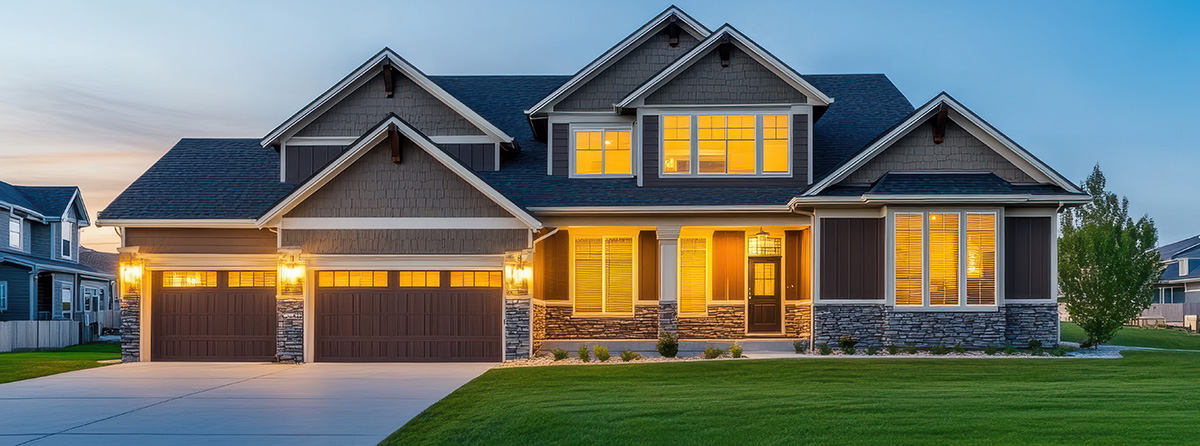
Get a free, no-obligation estimate from a crew that knows Colorado soil, Colorado weather, and how to finish concrete that lasts.
Accessibility
Adjust the site to fit how you read and browse. Your choices are saved on this device.