
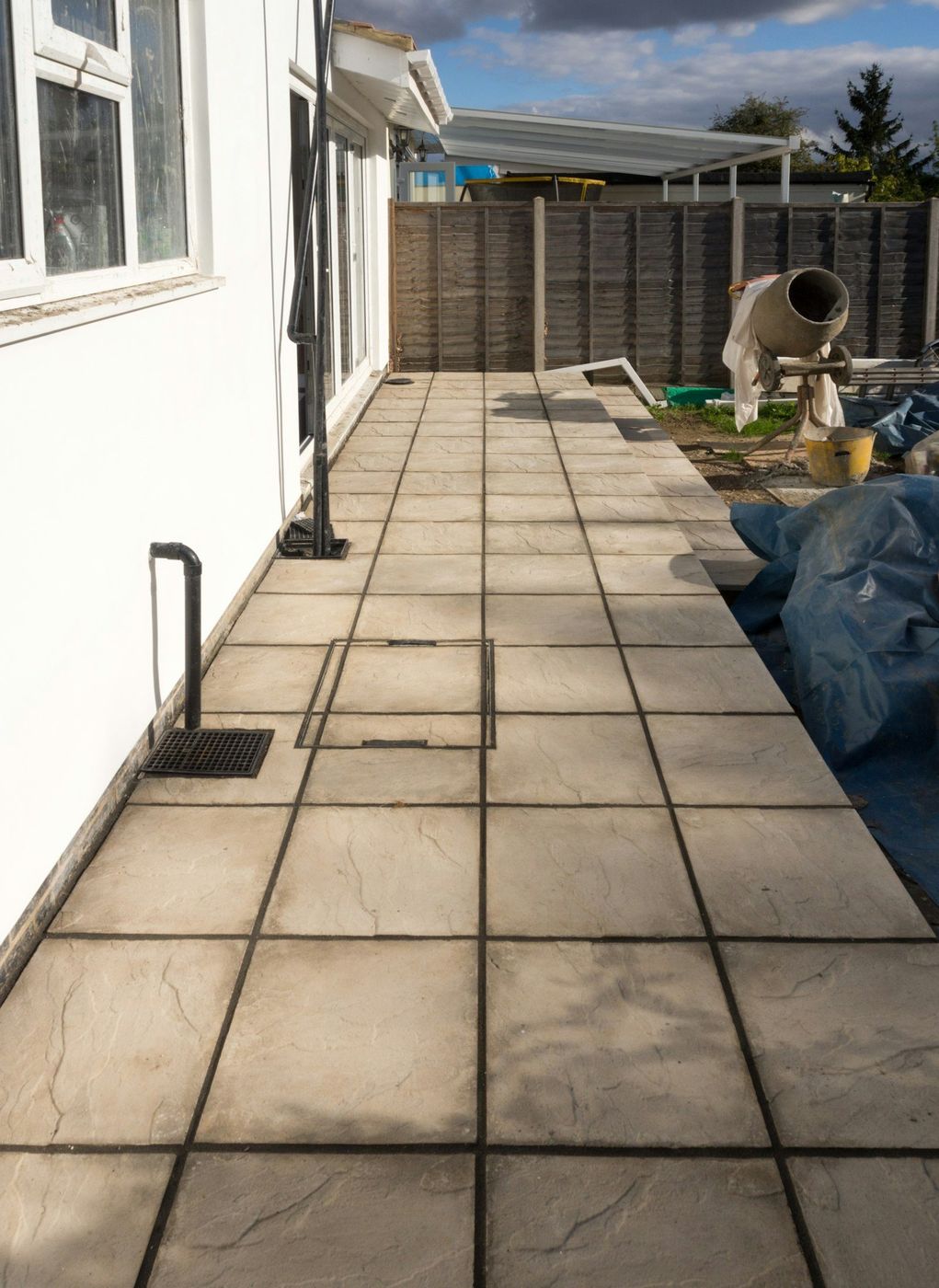
Built for the backyard hours between the afternoon storm and sunset.
Every Highlands Ranch summer runs on the same clock. The storm builds over the foothills around three, dumps for twenty minutes, and clears out by dinner. What's left is the best two hours of the day: cool air, wet grass, long light. If your backyard can't put chairs and a grill on something solid, you spend those hours looking through the window instead of sitting in them.
We build patios for exactly that stretch of evening. Sized for how you'll actually live on them, pitched so storm runoff leaves in a hurry, and finished so the surface still looks right after a few thousand rounds of high-altitude sun. A patio is the cheapest square footage you'll ever add to a house here. It just has to be poured right the first time.
At 5,920 feet the sun isn't a decorating detail, it's the main design constraint. A west-facing patio in Westridge is miserable at 4 pm in July without cover, so we talk orientation and shade before we talk finishes. East exposures earn their keep at breakfast. South-facing slabs melt off snow fastest all winter, which matters more than people expect when the patio doubles as the route to a hot tub.
Size is the other conversation. The pad the builder left fits a grill and two chairs, then it's full. A dining table wants twelve feet of clear depth to pull chairs out. A fire pit wants its own zone, well clear of the eaves. In Northridge and Westridge we're usually tearing out that original pad and starting over; in BackCountry and The Hearth we're more often pouring the first real patio a newer home never got.
| Exposure | Summer | Winter | Our take |
|---|---|---|---|
| South-facing | Hot by noon, wants shade | Clears snow fastest in the neighborhood | The best all-season slab if you plan some cover |
| West-facing | Rough from 3 pm until the storm rolls in | Decent melt, usable most afternoons | Budget for a pergola or plan on evening use |
| East-facing | Comfortable mornings, shady afternoons | Holds frost longer into the day | The coffee patio; keep it near the kitchen door |
| North-facing | Coolest spot in the yard | Ice lingers, keep the shovel handy | Great in July, honest work in January |
Free on-site layout and estimate. We'll chalk the footprint in the grass so you can stand on it before anything gets dug.
Want to use it this summer? Call in the spring. April and May pours are cured and party-ready by June, and the schedule still has openings. By July we're booking out and dodging afternoon cells on pour days, which we manage by starting at sunrise with plastic sheeting staged in case the radar turns on us. Fall might be the smartest play of all. A September patio cures in ideal temperatures and waits for you under the snow, bought at a quieter time of year.
Winter pours? Possible, but honestly not the season we'd choose for a patio. Cold weather means heated mix water, curing blankets, and a subgrade that has to be fully thawed, and you can't enjoy the result until spring anyway. If winter is when you have time to think, spend it on design and take the first slot when the ground warms up.
Still unsure about something?
Call the crew at (303) 569-4046 and we will talk it through.
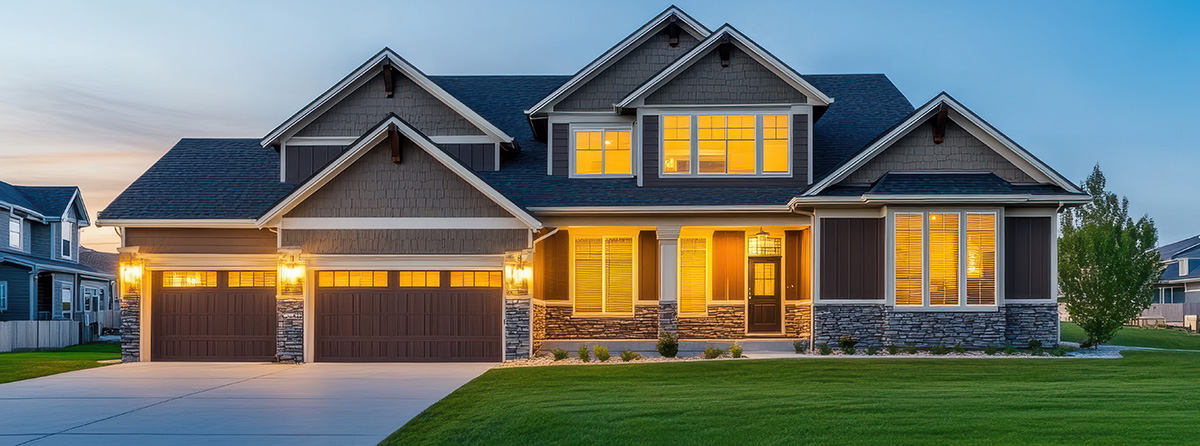
Get a free, no-obligation estimate from a crew that knows Colorado soil, Colorado weather, and how to finish concrete that lasts.
Accessibility
Adjust the site to fit how you read and browse. Your choices are saved on this device.