
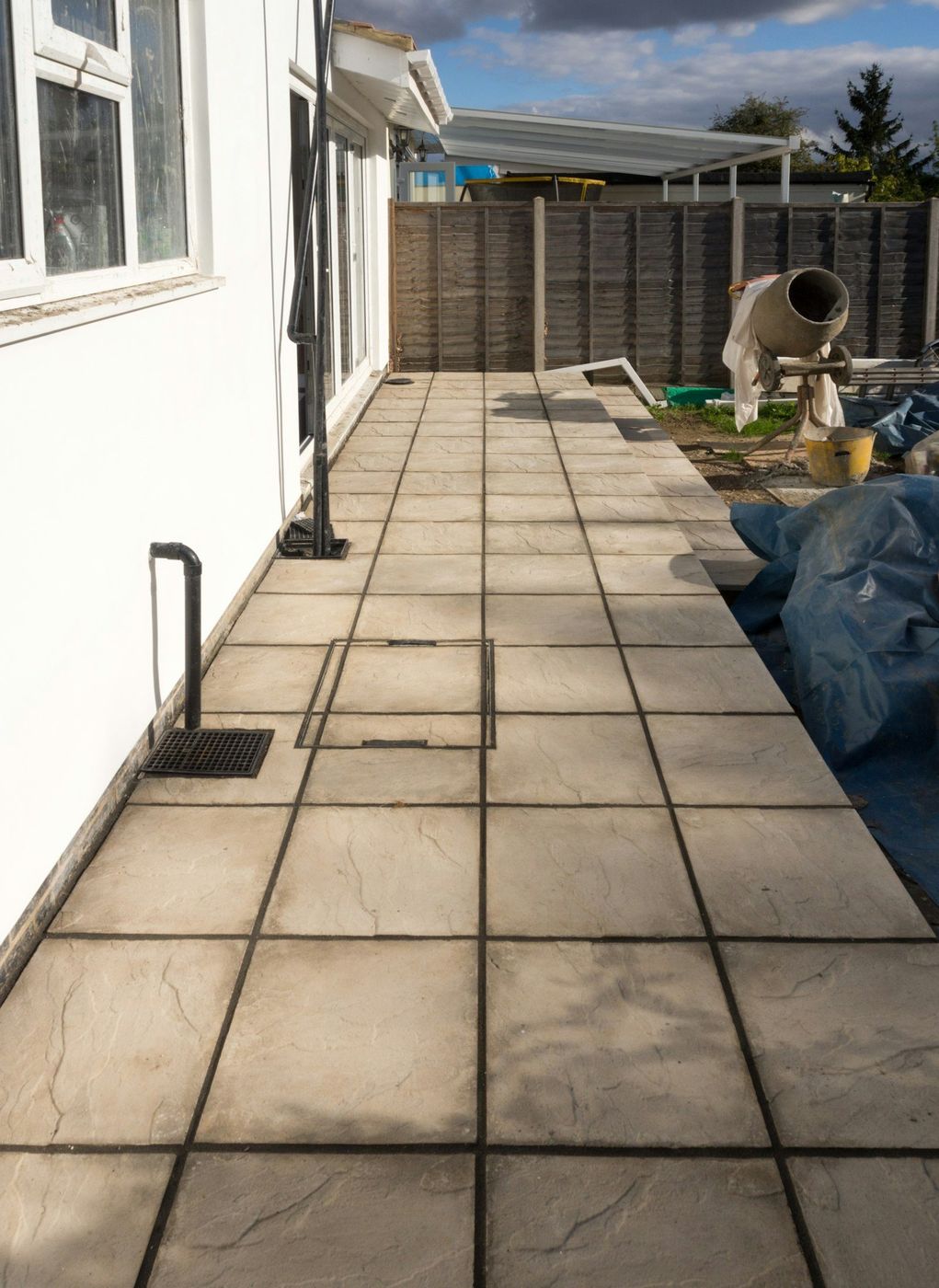
Backyard concrete that drains away from the house and shrugs off mile-high sun.
Stand at your back door and look down. A puddle line against the foundation after every storm. A white crust where the finish is flaking away. A step down to the patio that used to sit level with the door. Denver backyards are full of slabs like this, poured decades ago, pitched wrong or not at all, slowly turning into a drainage problem with furniture on it.
We build patios that work the other direction. Water leaves. The surface keeps its finish through winters that swing past freezing and back dozens of times. And the size and placement fit how you'll actually live out there, because at this altitude the gap between a shaded patio and a full-sun one is the gap between using it all summer and abandoning it by 11 a.m.
Flaking and scaling usually mean the original mix never got entrained air, or somebody salted it young; either way that surface will keep shedding until it's gone. A crack running off a corner points to control joints that were skipped or cut too late. A patio tilting toward the house started life as a grading mistake and matures into a wet basement. And that low spot right at the back stoop? That's Denver clay doing its thing, settling where the backfill against the foundation was never compacted as well as the yard around it.
A few of these problems earn a repair. Most earn a tear-out, because the cause lives under the slab where no patch can reach it. We'll tell you which you've got before you spend a dime.
High-altitude sun is not a detail. It fades furniture, cooks bare concrete into a glare panel, and turns a west-facing slab into a griddle by mid-afternoon in July. So before we talk finishes, we talk shadows: where the house shade lands at dinner time, whether a pergola is in your future, which direction the evening storms roll in from. The same patio that bakes on the south side of a Park Hill bungalow gets used three times as often tucked into the shade on the north side. Winter flips the math, too; a slab that never sees sun holds its ice for weeks, which matters if it doubles as your path to the garage.
Then there's size. A dining set needs clearance to slide chairs back. A grill wants its own zone away from the seating. Smaller yards in Cherry Creek and the Highlands push patios right up to the fence line, which makes the drainage plan even less optional. Our advice is almost always the same: pour the extra fifty square feet now. Nobody has ever told us their patio came out too big.
Get on the spring list now. Free estimate, an honest read on your yard's drainage, and a price that holds. (303) 569-4046.
| Finish | Where it wins | Where it struggles |
|---|---|---|
| Broom finish | Traction when icy, easiest on the budget, ages gracefully | Plain look, and it will show damage if deicer hits it the first winter |
| Exposed aggregate | Hides dirt, serious grip, suits older brick homes | Rough on bare knees; wants resealing to keep the stones locked in |
| Stamped patterns | Stone or wood looks without joints for weeds to colonize | Higher cost, and the color depends on a sealer coat every few years |
| Smooth trowel with saw-cut lines | Clean modern look for Central Park infill builds | Slick under ice; we only recommend it under a roof or pergola |
Patios are the classic shoulder-season pour. A spring date gets you the whole first summer on the new slab; a fall pour cures in ideal temperatures and is ready long before the first May barbecue. High summer works as well, though on the hot days we're placing concrete at sunrise so the surface doesn't outrun the finishers. July and August bring the afternoon storm build-up, so plastic sheeting sits staged beside every fresh pour. Five minutes of hail on a half-finished surface is a redo, and we don't do redos.
Winter pours happen when a mild stretch lines up with unfrozen ground, and we bring the blankets and heated water to make them stick. But for most backyard work our advice is simpler: claim a March or April date now and let the calendar do the heavy lifting.
Nine out of ten patio calls we get around Washington Park and Berkeley start with water in the wrong place, not concrete in the wrong place. The slab looks tired, sure, but the pitch is the real problem. Solve the water first and the rest of the design gets easy.Our crew lead, after the walkthrough
Still unsure about something?
Call the crew at (303) 569-4046 and we will talk it through.
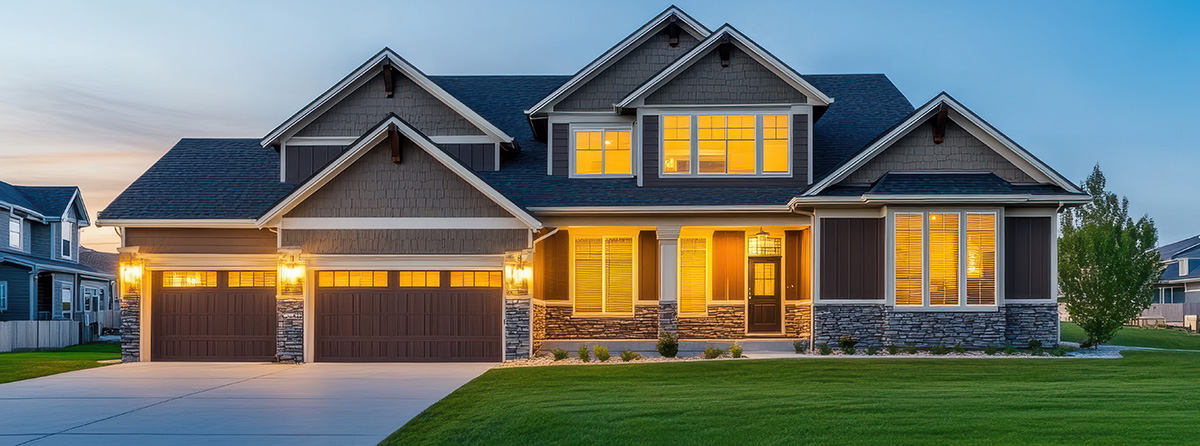
Get a free, no-obligation estimate from a crew that knows Colorado soil, Colorado weather, and how to finish concrete that lasts.
Accessibility
Adjust the site to fit how you read and browse. Your choices are saved on this device.