
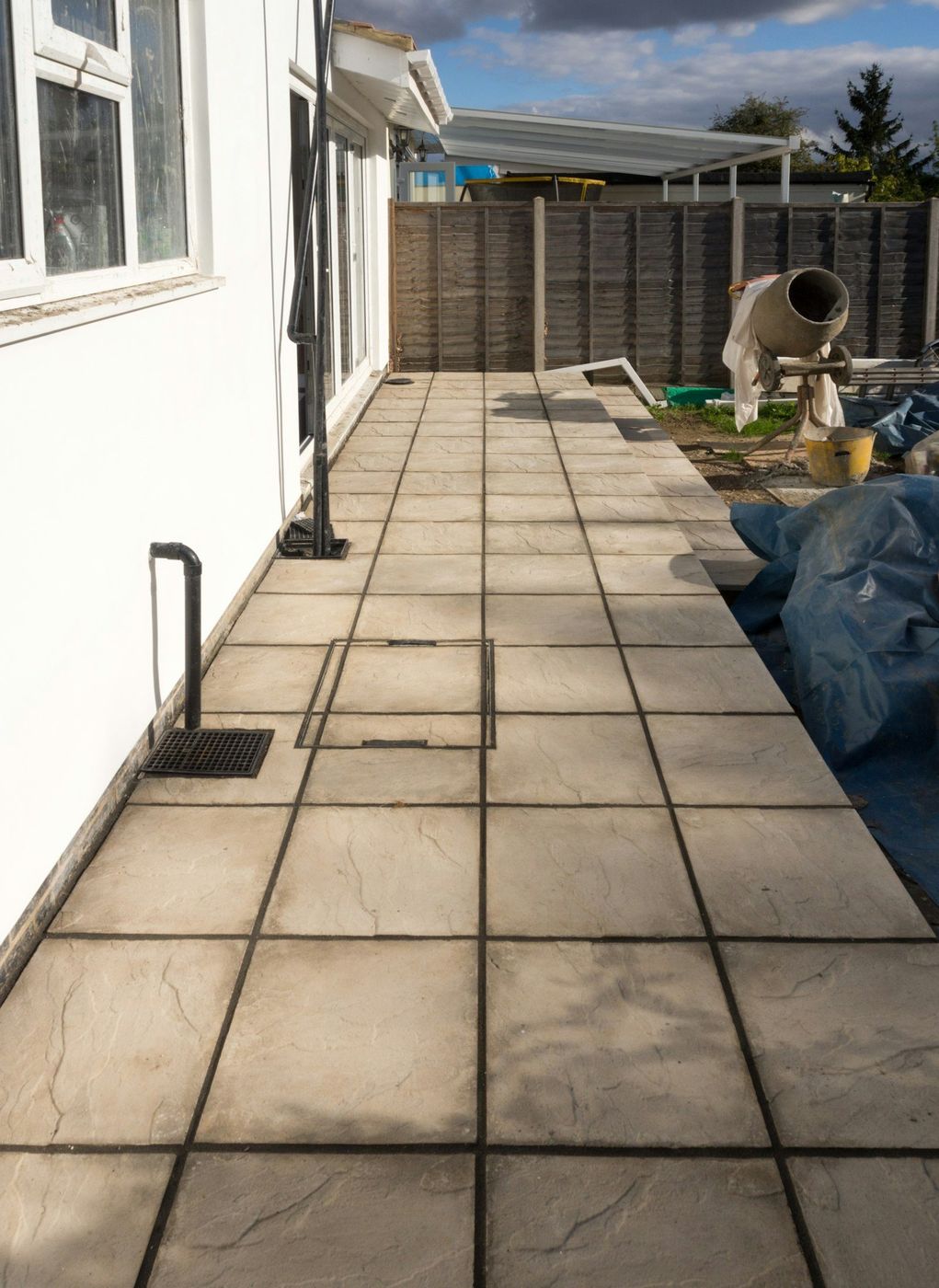
Backyard concrete for houses that came with a card-table pad and bigger plans.
Walk the newer blocks of Southshore, Saddle Rock, or Tallyn's Reach and you'll spot the pattern from the sidewalk: handsome houses, generous yards, and a builder patio roughly the size of a card table. That little pad was never the plan. It was a placeholder. A lot of our Aurora patio work starts exactly there, turning the placeholder into the actual backyard, whether that's a straightforward extension or a full tear-out and rethink.
Concrete earns its keep outdoors in this climate. It doesn't rot like a deck, and with the right mix it shrugs off the freeze-thaw cycling that slowly works pavers loose. We design around how you'll really use the space: where the shade lands in July, where the grill lives, and where the water goes when an afternoon storm dumps half an inch in twenty minutes.
The most common regret we hear isn't about finish or color. It's too small. A dining table with the chairs pulled out needs a good twelve feet of depth all by itself, and the moment you add a grill zone or a fire pit circle you're planning something several times bigger than most builder pads. Go bigger than the tape measure says. Nobody has ever complained that a patio had too much room.
Placement matters as much as size at 5,471 feet. Our sun is strong enough that a due-south slab with no shade plan turns into a griddle by mid-afternoon in July. So we look at roof lines, where a pergola might land later, and how the yard drains, then set the patio where you'll actually want to sit. And every slab we pour falls away from the house. Water pooling against a basement wall on clay soil is how patio problems turn into house problems.
| Finish | Feel underfoot | What this climate does to it |
|---|---|---|
| Broom finish | Grippy, simple, classic | Best traction in snow season, hides minor wear, close to zero fuss |
| Exposed aggregate | Textured stone surface | Handles freeze-thaw well; rinse it and reseal on schedule and it stays sharp |
| Stamped and colored | Patterned, high-end look | High-altitude UV wears the sealer, so plan on recoating every two to three years |
| Smooth trowel | Sleek and modern | Slick under water or ice, so we steer it toward covered spaces only |
Tell us how you want to use the yard and we'll sketch options during the free estimate.
Patios give us more scheduling room than driveways, which opens the calendar up. Anything from late April to late October pours comfortably, and a patio finished in early fall is cured, sealed, and ready before the first snow without ever baking through a July heat wave. Spring pours mean the slab is ready the day grilling season starts. We watch overnight lows and the afternoon radar either way; fresh flatwork and a surprise hailstorm are a bad pairing, so plastic sheeting rides along on every summer pour.
Winter patio work is doable with cold-weather methods, though unless there's a hard deadline, a graduation party or a spring wedding in the backyard, we'll usually suggest waiting for the shoulder season. Same slab, fewer variables. Booking in February for an April pour is the smart move; you skip the rush and get first pick of dates.
Most builder pads in the new neighborhoods run about ten by ten. Then the family buys a sectional, a dining set, and a smoker, and suddenly everybody's standing in the grass. We measure the furniture first now. Sounds silly. Works every time.Our crew lead, after the walkthrough
Still unsure about something?
Call the crew at (303) 569-4046 and we will talk it through.
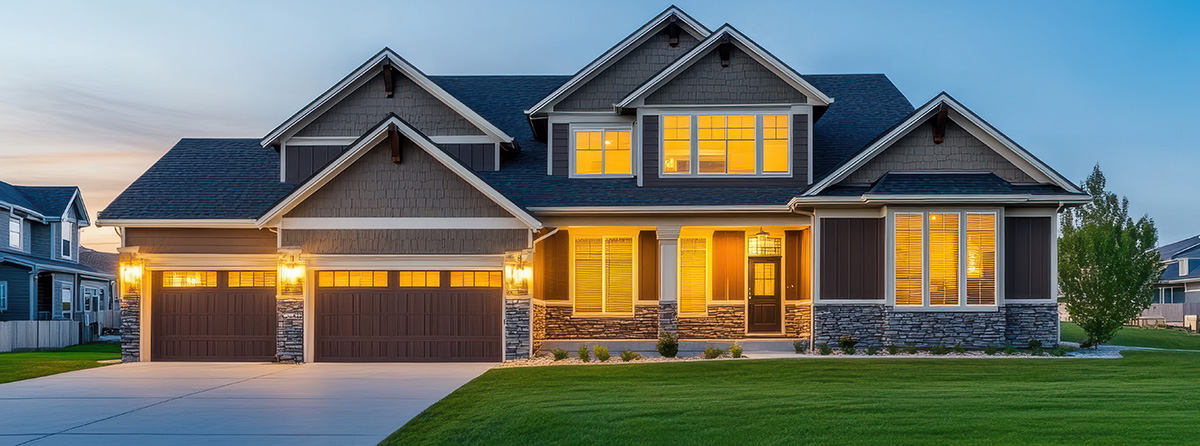
Get a free, no-obligation estimate from a crew that knows Colorado soil, Colorado weather, and how to finish concrete that lasts.
Accessibility
Adjust the site to fit how you read and browse. Your choices are saved on this device.