
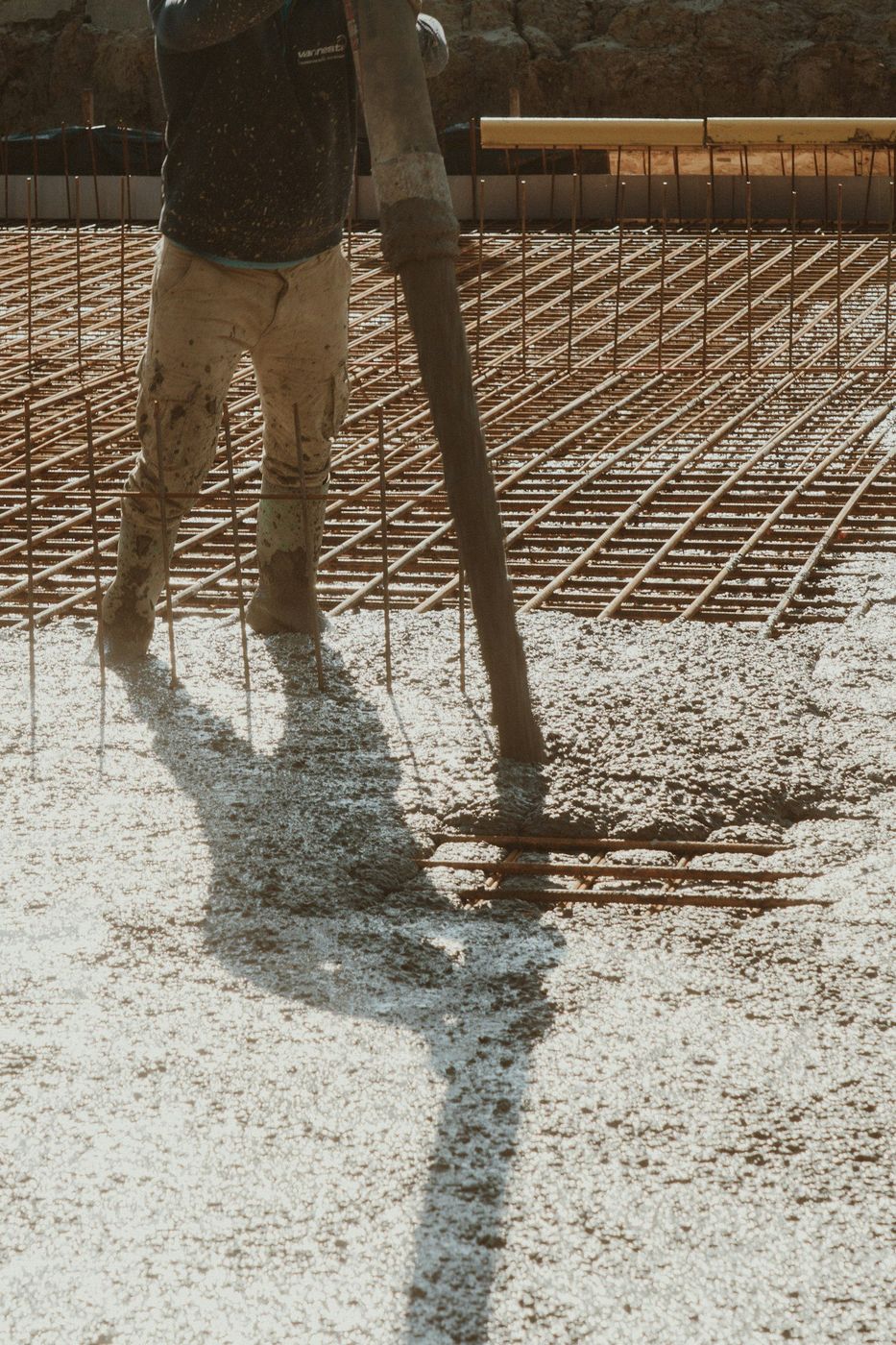
The pad earns its keep in January, when the water is 104 and the air is nowhere close.
Picture a Tuesday in January. Twelve degrees, dark since five, and somebody is walking from the back door to the tub in a robe and bare feet. Steam everywhere. That short walk is the moment a spa pad either works or doesn't, and almost none of it has to do with the concrete looking nice.
A hot tub pad carries a heavy load that never moves, sits under water kept warm all winter, and gets snow cleared off it more often than any other slab you own. We build for exactly that. Thickness and steel matched to the point loads, a level tolerance the cabinet can live with, conduit run before the pour, and a grade that sheds melt instead of turning into a rink by morning.
Here's the part nobody warns you about: a hot tub makes its own weather. Steam lifts off the water, drifts a couple of feet, and settles on the coldest surface nearby, which is the concrete you're standing on. Then it freezes. That's how a pad grows a glaze on a night it never snowed.
Snow behaves strangely around a spa too. Heat leaking through the cabinet skirt melts the drift nearest the tub while the rest of the yard stays locked up, so meltwater runs out, hits cold slab, and freezes again at the edge. On a dead-flat pad that water sits. On a pad with fall built into it, the water leaves. We slope every spa pad slightly away from the tub and away from the house for that reason alone, and it's the one detail that separates a good winter pad from a slick one.
Freeze-thaw handles the rest. Up here a February afternoon can run a full cycle before dinner, and a saturated surface flaking under that treatment is the most common failure we get called out to look at. Air-entrained mix at 4,000 PSI. Not a preference. A requirement.
Backyards in Hunters Glen and Quail Valley are a decent size, so the conversation there is about distance. Farther from the house means a longer barefoot walk in the cold and a longer conduit run. Closer means we have to think about the foundation, the downspouts, and whether the pad can still drain away from the wall. We usually push people toward the door and solve the drainage.
North Creek Farms and the newer streets near it come with tighter side yards and hardscape already in place, so the question is often whether a truck and a machine can reach the spot at all. Wheelbarrow pours happen. They take longer and they work fine.
Eastlake properties are older and no two are alike. There we're usually working around a mature tree, an existing patio, and a service panel a long way from where the tub wants to live. All solvable. It just has to be solved before anybody orders concrete.
| What you'd reach for | What it does to the slab | Our take |
|---|---|---|
| Plastic-bladed snow shovel | Nothing at all. Pushes snow, leaves the surface be. | Use this one. Clear it early while the snow is still light. |
| Steel-edged shovel or ice scraper | Gouges the finish and tears at joint sealant | Keep it away from a spa pad, the first year especially. |
| Rock salt or magnesium chloride | Drives moisture into the top layer and flakes it off | No. Not in year one, and frankly not after that. |
| A bucket of coarse sand | Nothing but traction, and it sweeps up in spring | This is the answer. Keep it by the back door. |
| Hot water from the hose | Refreezes within minutes, usually thicker than before | Tempting at the time. Makes the problem worse. |
| A rubber mat over the walking strip | Traps moisture underneath if it lives there all winter | Fine during a storm. Pull it up when the weather breaks. |
Pads pour quickly, but the electrical and the cure both take time. Start the conversation now and you're soaking by the first real snap.
Still unsure about something?
Call the crew at (303) 569-4046 and we will talk it through.
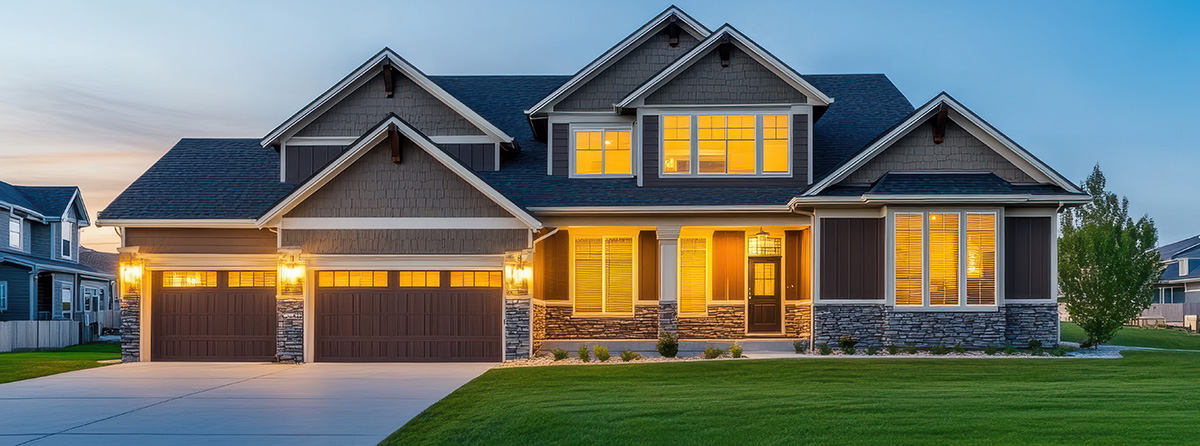
Get a free, no-obligation estimate from a crew that knows Colorado soil, Colorado weather, and how to finish concrete that lasts.
Accessibility
Adjust the site to fit how you read and browse. Your choices are saved on this device.