
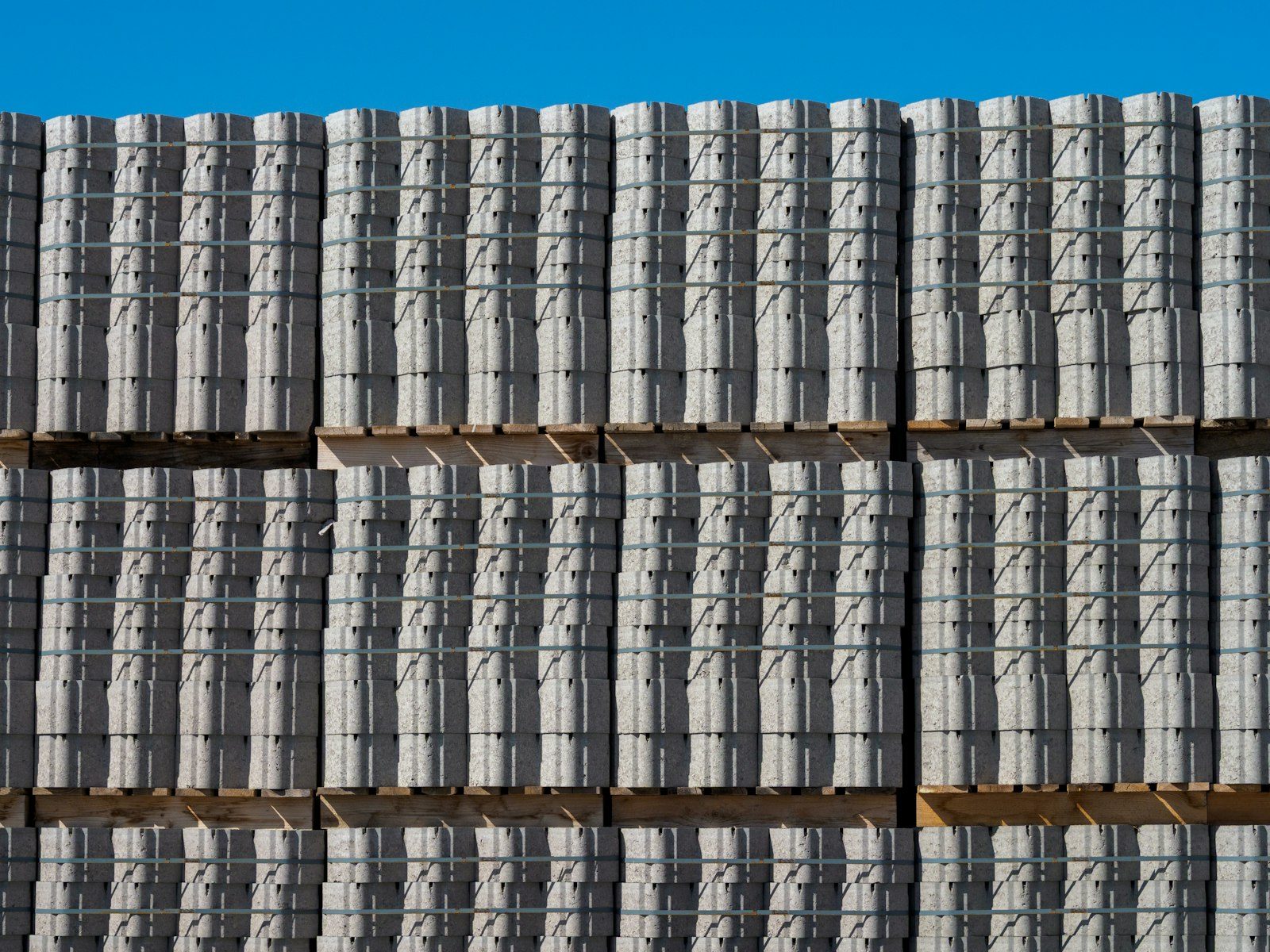
Crack evaluation, piers, and drainage fixes, with a structural engineer on our payroll instead of on a referral list.
Your foundation's biggest problem isn't concrete. It's the ground the concrete sits in. Most of Parker is built over expansive clay that behaves like a sponge with a grudge: it swells when spring moisture soaks down, shrinks and pulls away through the dry stretches, and repeats that cycle every single year. Foundations ride on top of that movement, and the ones that ride badly show it in cracked walls, sticking doors, and floors that lost their level somewhere along the way.
Water decides how bad it gets. A subdivision lot in Stonegate with short gutters dumping at the corners feeds the clay a concentrated drink every storm. An acreage property with natural low spots draining toward the house does the same thing on a bigger scale. Before anyone says the word piers, we start with the same question every time: where is the water going, and what is the clay doing about it?
| What you're seeing | Concern level | What it usually means |
|---|---|---|
| Thin vertical crack in a poured wall | Low | Normal shrinkage from curing; worth sealing against moisture and keeping an eye on |
| Stair-step cracking through block or brick | Moderate | One part of the foundation is settling at a different rate than the rest |
| Horizontal crack along a basement wall | High | Soil pressure is pushing the wall inward; get it evaluated soon |
| Sticking doors plus fresh drywall cracks upstairs | Moderate | The structure is racking as the foundation moves with the seasons |
| Any crack that's widening or offsetting | High | Movement is active, and active movement is exactly where our engineer comes in |
Foundation repair has a trust problem, and we get why. One outfit sees a hairline crack and quotes a forest of piers; another smears caulk over a wall that's actively bowing. Both fail you, in opposite directions. Our answer is structural: we keep an engineer in-house, so the person deciding whether your foundation needs underpinning is qualified to make the call and doesn't earn more by inflating it.
When settlement is real and ongoing, steel piers driven down to load-bearing strata stop the movement and can recover some of the lost elevation. When a crack is stable and merely leaking, an epoxy or polyurethane injection seals it for a fraction of the cost. And when the actual disease is drainage, we'll say so, because extending downspouts and regrading a swale is a far cheaper prescription than steel.
Have our engineer look before you take a salesman's word for it. Straight findings, in writing, free.
The pattern repeats on wet years. A downspout ends right at the foundation corner, the clay drinks it up, that corner lifts, and a crack opens two rooms away. Homeowners stare at the crack. We stare at the gutter.Our crew lead, after the walkthrough
Foundation phones ring in two seasons. Late spring, when snowmelt and rain have the clay swollen and basement walls feeling the push. And late summer, when weeks of dry heat shrink the soil away from the footings and settlement cracks show up almost overnight. If you're watching a crack at home, mark its ends with a pencil and date it. Growth between seasons tells our engineer more than any single visit ever could.
The good news for scheduling: repair work runs nearly year-round. Pier installation and interior stabilization don't wait on pouring weather the way flatwork does, and winter is often the easiest season to book. Only fresh concrete elements, new footings and wall sections, need warmer ground or the full cold-weather treatment.
The Pinery and Stroh Ranch carry Parker's older foundations, and decades of clay cycles leave a mark; that's where we find the most accumulated settlement and the most previous repairs of mixed quality. Newer homes in Idyllwilde and Reata aren't immune either, because young fill and brand-new landscaping change how water moves around a foundation during its first few years, and Canterberry Crossing and Clarke Farms sit mid-story, old enough for patterns to emerge. Out on the wooded acreage, drainage is the whole plot: bigger lots, natural grades, and water that's been finding its own way downhill since long before the house showed up. Every one of those situations gets the same first step from us. Figure out the water. Then judge the concrete.
Still unsure about something?
Call the crew at (303) 569-4046 and we will talk it through.
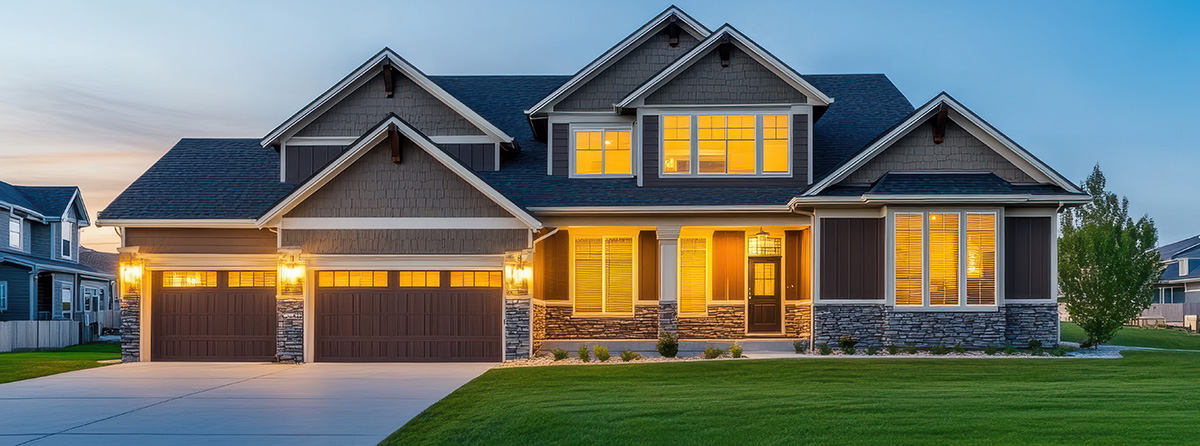
Get a free, no-obligation estimate from a crew that knows Colorado soil, Colorado weather, and how to finish concrete that lasts.
Accessibility
Adjust the site to fit how you read and browse. Your choices are saved on this device.