
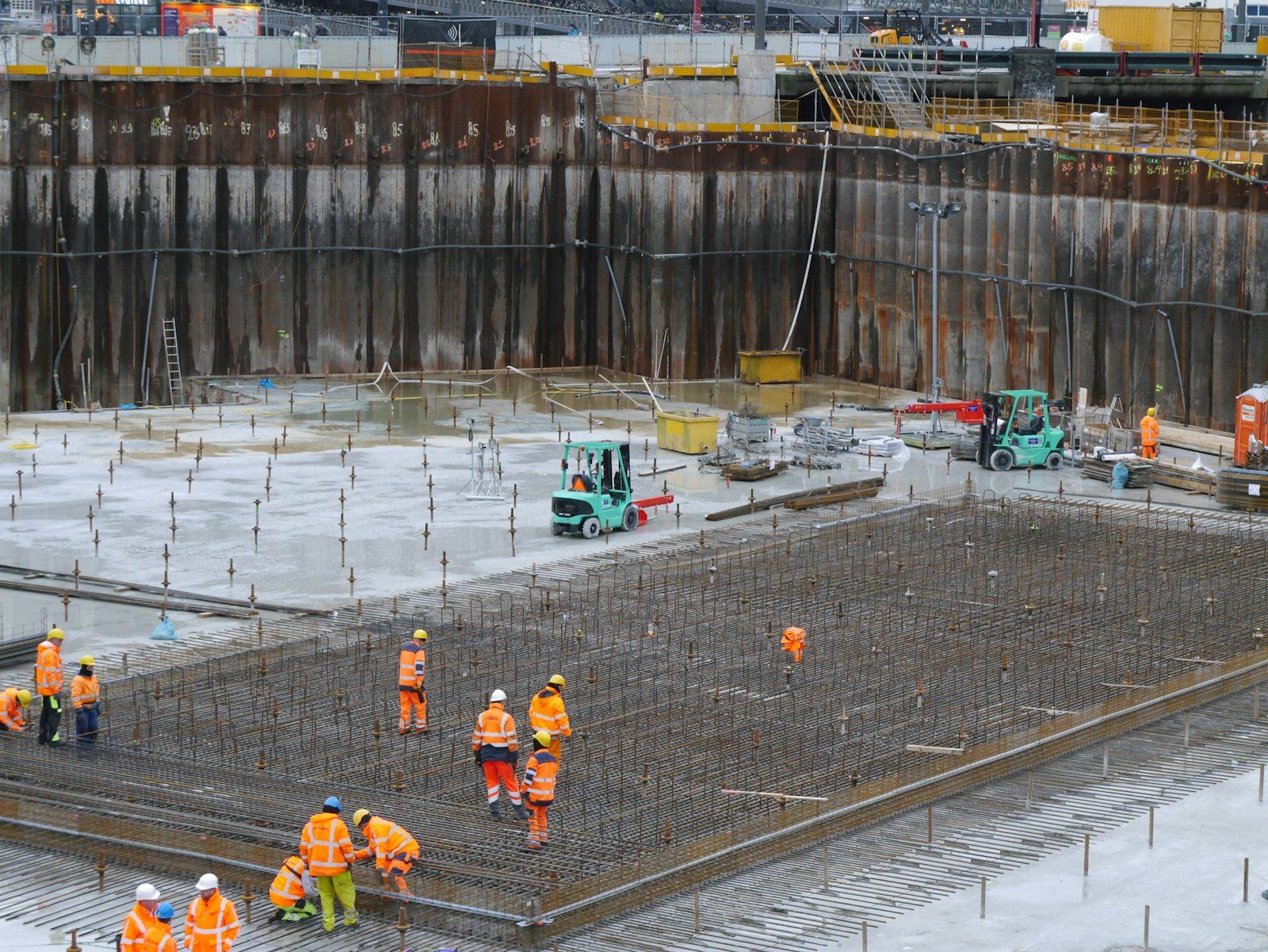
Two kinds of Parker property, two completely different holes in the ground, one standard for what goes in them.
Half our footing calls come from a subdivision where the lots are flat, the utilities are mapped, and a skid steer fits through the side gate with an inch to spare. The other half come from acreage where the driveway is a quarter mile of gravel, the trees decide where equipment can go, and the ground changes character three times between the house and the shop site. Same trade. Very different day.
Parker is one of the few towns around here where a contractor needs to be good at both. Stonegate, Clarke Farms, Canterberry Crossing, Idyllwilde, and Reata are subdivision work with subdivision constraints. The Pinery and the wooded parcels out past the neighborhoods are their own animal. What doesn't change is the part underground: a hole taken to competent bearing, below frost, with steel in it and concrete that showed up at the right temperature.
Newer subdivisions get built on engineered fill. The grading contractor moved dirt, compacted it in lifts, and a geotech signed off. That's generally good news, but it means the dirt in your backyard may not be the dirt that was there originally, and the depth to something worth bearing on varies from one side of a lot to the other. We dig until the hole tells us we're done, not until the tape says a number somebody wrote on a napkin.
Acreage is the opposite problem. The soil is native and undisturbed, which sounds better and often is, right up until you hit a clay seam under a shop pad or a pocket of loose material. Trees complicate it further, because roots dry the soil under them and that soil rebounds when the tree comes out. On wooded lots we plan for surprises and price the hole honestly.
Residential footing work in Parker breaks into a handful of jobs. Deck and covered patio posts, which people underestimate because the structure looks light. Porch columns, where a dropped footing shows up as a roofline that sags toward one corner. Addition footings, which have to tie into an existing foundation without dragging the old part around. And on the acreage side, shops, barns, loafing sheds, and detached garages, where the building is unheated and the ground under it freezes deeper than it does against a warm house.
That last point catches people. An attached garage borrows heat from the house and the soil under it stays warmer. A detached shop, unheated all winter, gets no such break. So we carry those footings deeper and detail them for colder ground, which is exactly what a cheap quote skips.
| Part of the job | Subdivision lot | Wooded acreage |
|---|---|---|
| Getting equipment in | Side gate, fence panel out, plywood over the lawn | Trees and grade set the route. Sometimes we hand-dig what a machine can't reach. |
| The spoils pile | Hauled off, because there's nowhere to put it | Usually spread on site, which saves you a truck and a tipping fee. |
| What we hit at depth | Engineered fill, fairly predictable, verified as we go | Native soil, clay seams, cobble, and occasional loose pockets. We budget for variability. |
| Water in the hole | Sprinkler lines and downspout runoff are the usual culprits | Surface drainage from uphill. The fix is grading, not a bigger footing. |
| Utility locates | Public locates plus private irrigation and low-voltage | Well lines, septic components, and runs nobody documented. We probe. |
Tell us what's going on top and we'll tell you what has to go underneath. Free written estimate, engineer included when the load calls for one.
People assume winter shuts hole work down. It mostly doesn't. Drilling through the top frost layer is a nuisance, not a barrier, and once you're two feet down the ground temperature stops arguing with you. We drill and pour piers through most of the winter using warm mix, accelerators, and insulation over the tops. What we watch instead is water. An open hole that fills and then freezes is a problem, so we drill and pour the same day rather than leaving holes standing overnight in February.
Late spring is the trickiest season, honestly. Snowmelt saturates the ground, hole walls get sloppy, and a machine that would cross the lawn in September leaves ruts in May. Summer and fall are the easy stretch.
Still unsure about something?
Call the crew at (303) 569-4046 and we will talk it through.
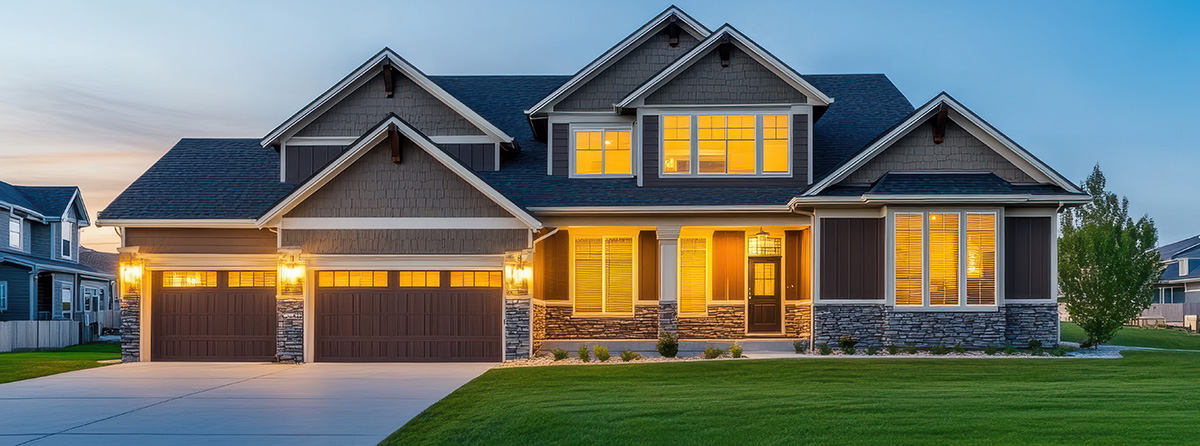
Get a free, no-obligation estimate from a crew that knows Colorado soil, Colorado weather, and how to finish concrete that lasts.
Accessibility
Adjust the site to fit how you read and browse. Your choices are saved on this device.