
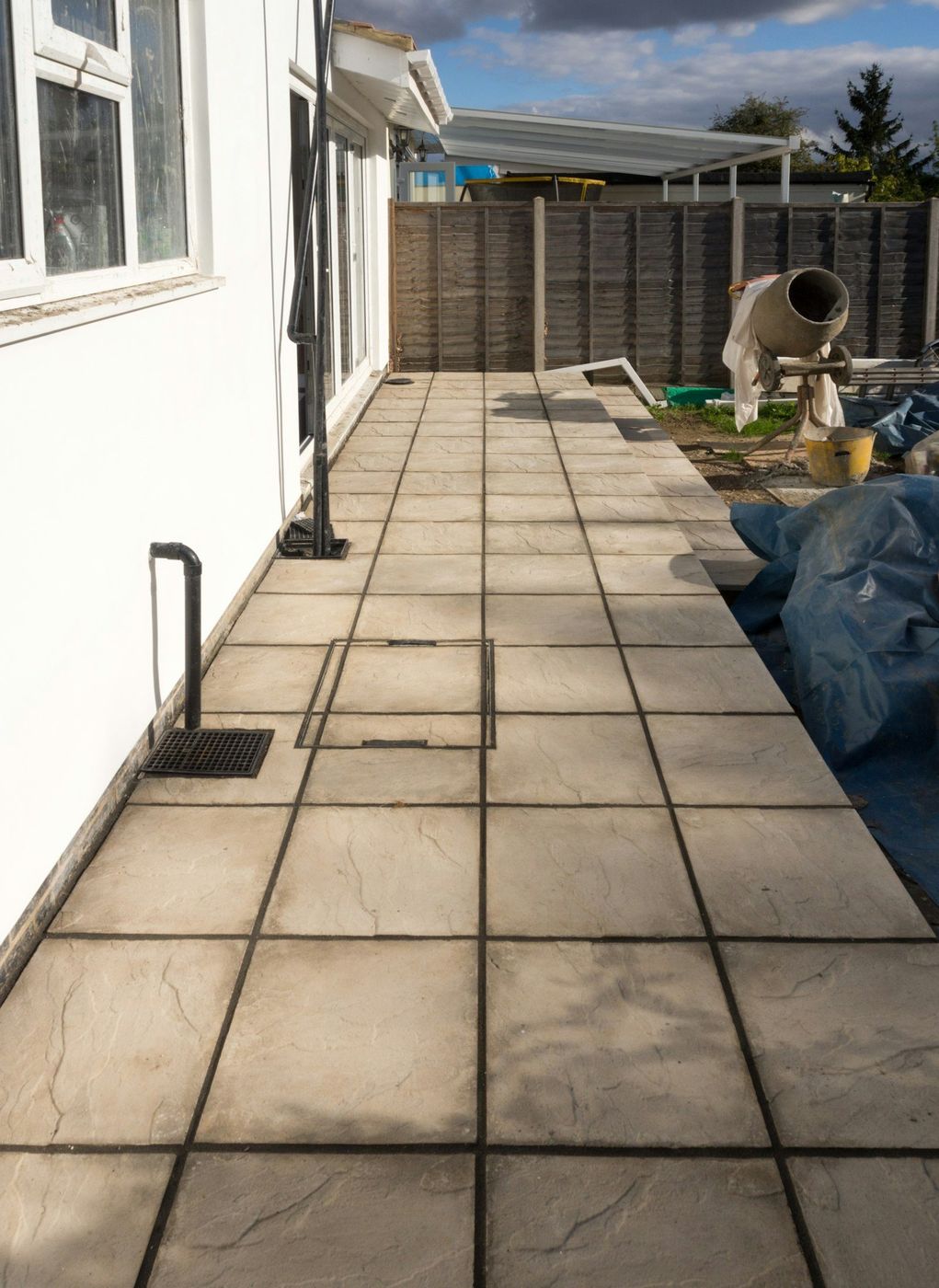
The patio you'll see is only half the project. The half underneath is the one that decides how long it lasts.
Every patio is two projects. There's the one you'll see, the finished surface where the grill and the furniture live. And there's the one you'll never see again after pour day: the ground underneath. In Arvada, that hidden project is the whole ballgame. Much of the west side, Candelas, Leyden Rock, Whisper Creek, was shaped by earthmovers before the houses went in, and backyard corners often sit on fill. Compacted right, fill is fine. Left fluffy, it settles, and your patio settles with it.
So we build patios from the dirt up. Proof the ground, compact a real base, put reinforcement in the slab, and pitch the whole thing away from your foundation. Then the fun part, the size, the finish, where the shade lands in July, gets built on something that won't move underneath it.
Here's what a bad base looks like five years in. The patio pulls away from the back door, a gap opens under the step, and the surface tilts toward the house so every thunderstorm delivers its water straight to the foundation. We tear out patios like that every season, and the story underneath them barely changes. Concrete placed on disturbed ground. No compaction, no gravel, no chance.
Our slabs go over subgrade that's been compacted until the plate compactor stops making progress, then a lift of road base compacted again on top. On lots where the builder's rough grading left deep, soft fill, we'll tell you before we pour, not after, because pretending it isn't there is how the last contractor got fired.
| Exposure | Summer reality | Winter reality | Worth knowing |
|---|---|---|---|
| South-facing | Warm and usable from early spring to late fall | Melts its own snow most weeks | Hardest on sealers; plan on the short end of the reseal cycle |
| West-facing | Blazing from mid-afternoon on; plan for shade | Decent melt-off | Afternoon storms arrive here first, so the drainage layout earns its keep |
| East-facing | Pleasant mornings, cool evenings | Snow lingers; shovel gently and skip the deicer | The easiest exposure on a decorative finish |
| North side | Shaded and cool through summer | Ice hangs around; freeze-thaw works hardest here | We'd steer you toward a broom finish and generous slope over anything fancy |
Get on the spring schedule now. A slab poured in May is cured, furnished, and hosting by the Fourth.
The sun at 5,344 feet has real teeth. A west-facing patio with no cover is a frying pan from two o'clock on in July, and it's also where UV chews through sealer fastest. If a pergola or shade sail is anywhere in your five-year plan, say so during layout. Posts want footings, and footings want to be poured alongside the slab, not jackhammered in after the furniture's arrived.
Winter rewards good siting too. A patio that catches afternoon sun clears its own snow half the season, which means less shoveling and less temptation to reach for ice melt. Small placement decisions like that quietly add years to a finish.
The most expensive patio mistake in Arvada isn't a finish choice; it's slope. A slab pitched toward the foundation feeds every storm and every snowmelt into the clay against your basement wall, and that clay swells when it drinks. We set grade so water leaves, we keep the slab below door thresholds and siding, and if your yard traps water we'll bring up drains before we bring up concrete. It's the least glamorous conversation in the estimate. Have it anyway.
April through October covers most patio work here, and there's a real case for the shoulder seasons: gentler curing weather, easier scheduling, and your whole first summer on the new slab. Deep-summer pours start at dawn to beat both the heat and the storm that builds over the foothills most afternoons, because rain landing during the finish will scar a surface for good. Cold-month patios are doable as well, with warmed water in the mix, chloride-free accelerators, and curing blankets, so long as the ground itself isn't frozen. Frost in the subgrade means we wait. No exceptions on that one.
Two patios can look identical the day we drive away. Give them five winters. The one over compacted base still drains to the yard; the one over loose fill has a birdbath forming by the back door. The difference was never the concrete.What our crew lead tells homeowners
Still unsure about something?
Call the crew at (303) 569-4046 and we will talk it through.
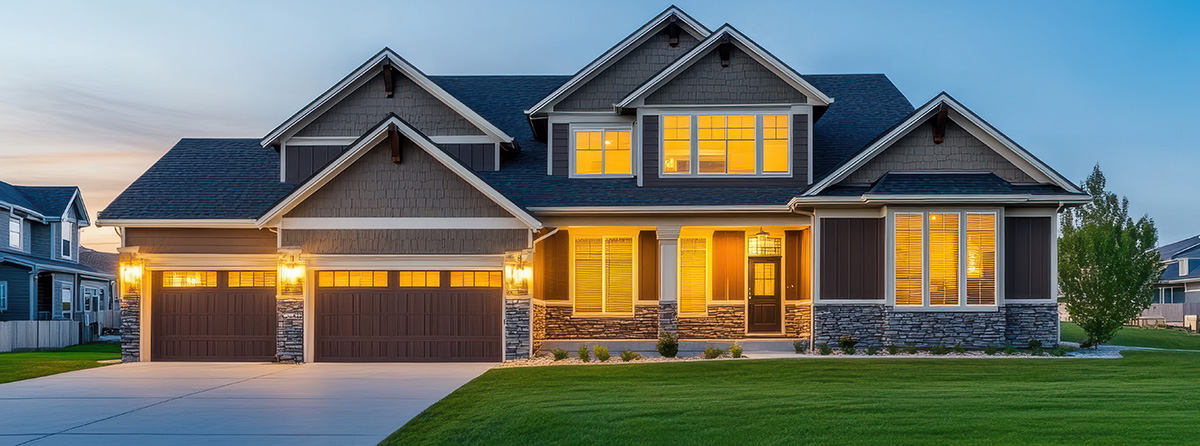
Get a free, no-obligation estimate from a crew that knows Colorado soil, Colorado weather, and how to finish concrete that lasts.
Accessibility
Adjust the site to fit how you read and browse. Your choices are saved on this device.