
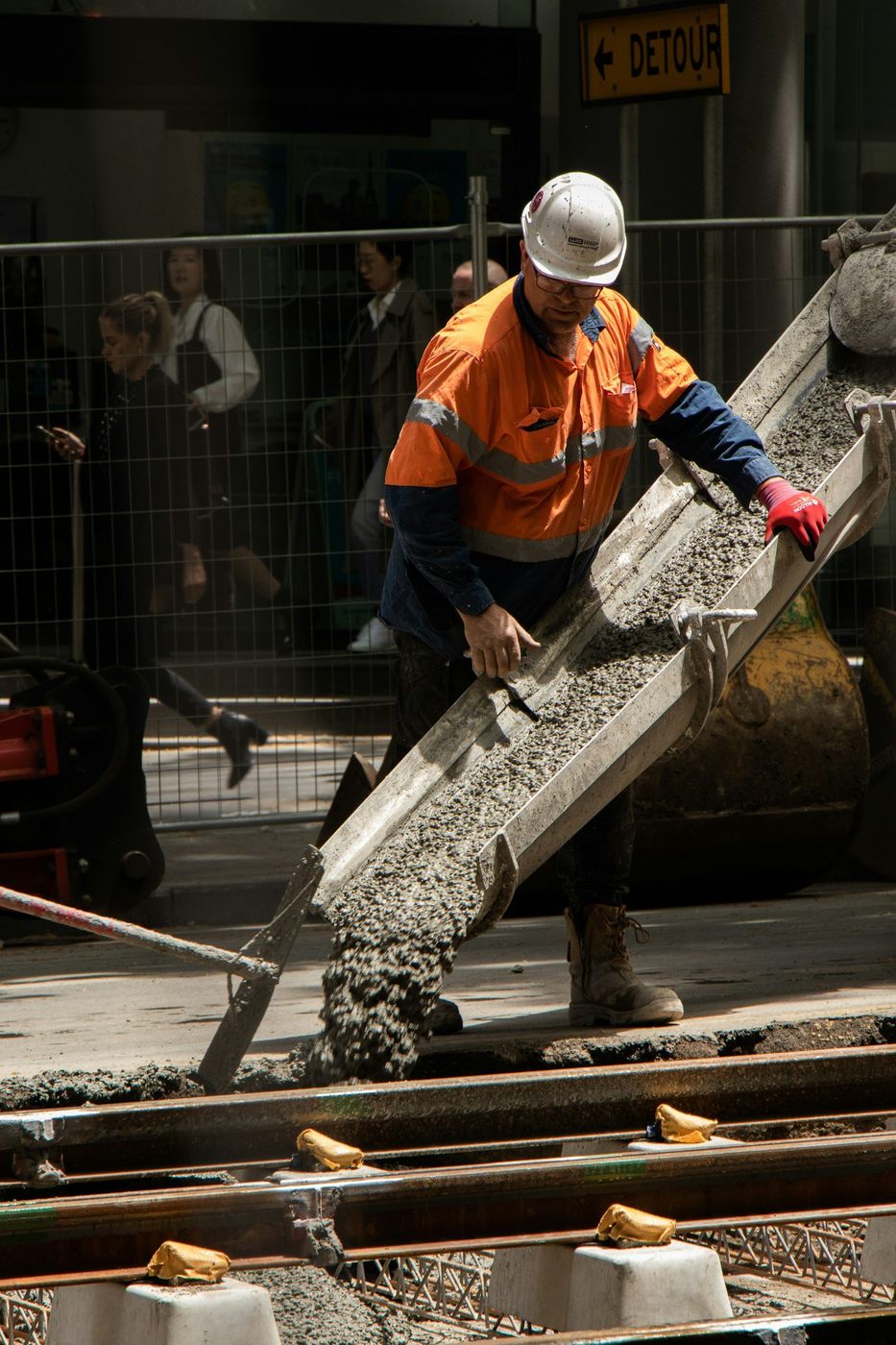
Engineered for point loads and level tolerance, because a spa on a tipping slab tells on itself fast.
Walk to the back of the house and look at where the spa cabinet meets the ground. Is there a wedge of daylight under one corner? Are there shims stacked under the skirt? Does the water line inside sit closer to the top on one end than the other? Those are the symptoms, and they show up long before anybody thinks to blame the concrete.
A filled spa with people in it weighs thousands of pounds, and none of that weight is spread evenly. It lands on the frame corners and the base rails, driving concentrated pressure into a small footprint. Put that on a four-inch patio slab poured for lawn chairs, or on a paver field set in sand, and the ground answers. Slowly, then all at once. We pour pads that treat the spa as the structural load it actually is.
Homeowners rarely call us about a hot tub pad. They call about a lid that won't seat, a door on the equipment bay that binds, or water that won't sit even in the shell. Every one of those is a geometry problem, and geometry problems come from the slab.
Look for the tells. A gap under one corner of the cabinet that grows through the season. Skirt panels bowing outward at the bottom. A crack in the patio running out from the tub toward the nearest joint. Standing water pooling on the side of the pad closest to the house, which is the worst direction it could go. And the classic: a stack of cedar shims under one rail that somebody added two summers ago, still doing all the work. Shims aren't a repair. They're a note telling you the base moved.
| What you see | What's happening underneath | What we do |
|---|---|---|
| One corner lifting off the pad | Point load punched through a thin slab or soft base | New thickened pad. Shimming just relocates the pressure. |
| Whole pad sloped toward the house | Backfill soil consolidating along the foundation | Remove, recompact the fill, repour with fall away from the wall. |
| Crack running under the cabinet | No reinforcement, or steel that ended up on the dirt | Replace with rebar on chairs at a tighter grid. |
| Cabinet doors binding but the pad looks flat | Slab is racking slightly under load, not settling | Check thickness. Six inches with steel stops the flex. |
| Ice sheet building on one side every winter | Drain water and splash have nowhere to go | Regrade the pad and add a gravel drain edge. |
| Pavers spreading apart under the rails | Sand bed migrating under concentrated weight | Poured slab. Sand set pavers were never rated for this. |
Six inches of 4,000 PSI air-entrained concrete, #4 rebar on chairs at a sixteen inch grid, over base material we compact in lifts rather than dumping and raking. That's the spec, and we don't negotiate the steel. Whether the tub is going behind a custom home in Heritage Hills or onto a tighter RidgeGate lot, the soil moves with moisture, and a spa pad is the one slab on a property that can't tolerate uneven settlement.
The rest is detail work. We isolate the pad from the house with an expansion joint so the two can move independently. We slope it slightly away from the foundation, enough to shed drain water and splash without making the tub feel crooked. We sleeve electrical conduit through the slab before the pour so your electrician isn't core drilling later.
Send a photo of the gap under the cabinet. We'll tell you whether it's a lift, a repour, or a drainage fix.
Spa pads live wet. Splash-out, drips off bodies, condensation running down the cabinet, and a full drain-down two or three times a year all soak the same square of concrete. Then winter arrives and that saturated surface cycles through freeze and thaw dozens of times, some days twice. Air-entrained mix is what keeps the paste from popping off, and a penetrating sealer buys another layer of insurance.
Deicers are the mistake we see most. People want a safe path to the tub in January and reach for the bag of ice melt. Magnesium chloride scars new concrete, and the pad around a spa is exactly where you'll notice the pitting. Sand grips fine, and a new pad deserves one deicer-free winter.
The tell we look for first is the shim. If somebody has jammed a wedge under a corner, the pad already failed and everybody's been living with it. We pull the tub, look at the base, and nine times out of ten there's four inches of concrete where six belonged.What our crew lead tells homeowners
Still unsure about something?
Call the crew at (303) 569-4046 and we will talk it through.
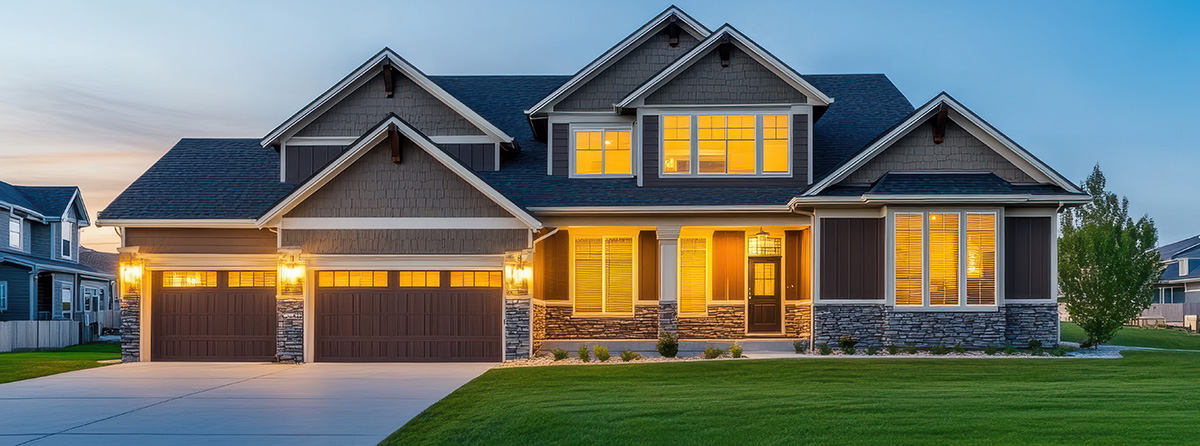
Get a free, no-obligation estimate from a crew that knows Colorado soil, Colorado weather, and how to finish concrete that lasts.
Accessibility
Adjust the site to fit how you read and browse. Your choices are saved on this device.