
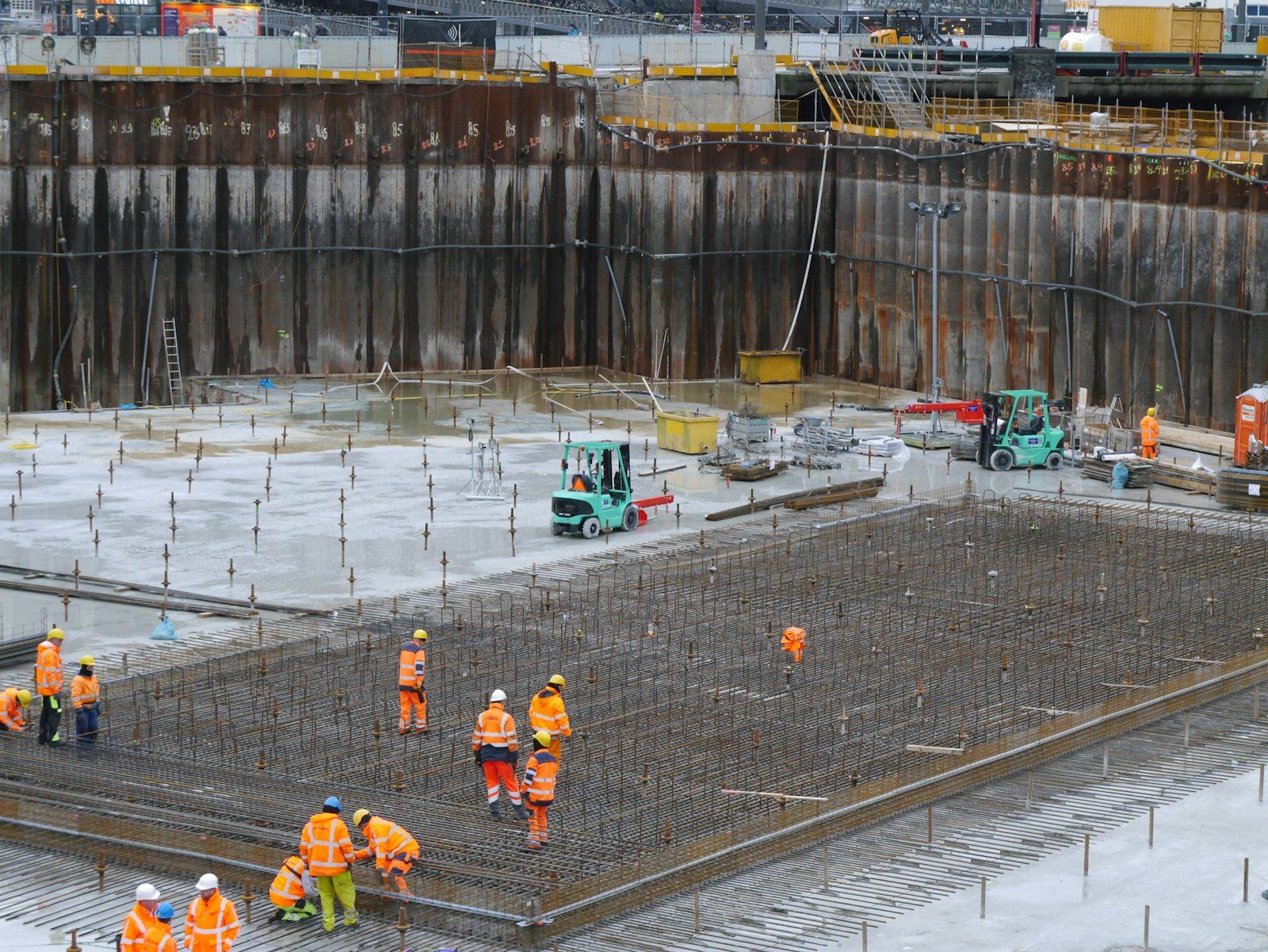
The breaker starts at seven. By the time you're home from work, the old slab is gone.
Here's how tear-out day actually goes. The crew rolls up around seven and the breaker starts walking the slab, cracking it into liftable pieces. By mid-morning the skid steer is loading trucks. By early afternoon there's a clean dirt grade where thirty years of cracked, tilted concrete used to be. One day. That's the demo, for most Lone Tree driveways, whether it's a Fairways ranch or a three-car spread in Carriage Club.
What happens next is the part you're really paying for, and it's the part nobody photographs. The regrade. The road base going down in compacted lifts. Forms checked twice, steel tied on chairs, and then a ready-mix truck backing in at sunrise. We'll walk you through the whole week below, because a replacement goes better when you know what each day looks like.
Once the concrete comes out, the story of why it failed is sitting right there in the dirt. Sometimes it's bare clay with no gravel at all. Sometimes there's wire mesh lying flat on the subgrade, doing nothing, because nobody pulled it up into the pour. Sometimes the grade actually slopes at the garage, which explains the water stains on your slab every March.
This is why we don't quote replacements sight unseen. RidgeGate driveways tend to need different corrections than the originals in Montecito, and the fix has to match the failure. We rebuild the subgrade first. New concrete over an unfixed base is just a fresh coat of paint on the same problem.
| Stage | What's happening | Where you park |
|---|---|---|
| Demo and haul-off | Breaker, skid steer, loaded trucks; old slab gone by afternoon | Street |
| Regrade and base | Subgrade cut to plan, road base spread and compacted in lifts | Street |
| Forms and steel | Forms set to finished height, number 4 bar tied on chairs at two-foot centers | Street |
| Pour and finish | Early truck, screed, float, broom, then joints sawed before we leave | Street, and keep kids and paws off the wet slab |
| Cure | The slab quietly gains strength; we check back on the joints | Street for a week, then your new driveway |
We'll measure, check your grade and drainage, and put a written itemized price in your hand. Free, and nobody camps in your kitchen.
Not every ugly slab needs to come out. Tight hairline cracks are cosmetic. A single settled panel can often be lifted. But some symptoms mean the base underneath has quit, and once that happens, patching is money thrown at a moving target.
The tells: cracks that widen and shift from season to season. Panels heaving against each other with offset edges. A slab that pitches back toward the garage so meltwater runs at the house instead of the street. On expansive clay, those are structural verdicts, not blemishes. And when the base has failed, anything you pour, grind, or fill on top of it fails on the same schedule.
If you get to pick, pick September or October. Warm days, cool nights, and the slab reaches strength before deep freeze. Spring is fine once overnight lows behave. Summer is routine; we just start at dawn and respect the afternoon storms.
December through February is workable more often than people think. Heated mix water, chloride-free accelerators, insulated blankets, and a careful eye on the forecast get quality winter pours done every year. The one hard line: frozen subgrade. Concrete placed over frost settles when the frost lets go, so if the ground's frozen, we wait for the window instead of gambling with your money. Sometimes the right winter move is to stabilize the worst section and hold your spot at the front of the spring schedule.
The moment that tells the whole story is when the slab comes out and there's nothing under it but gray clay. No gravel, no compaction, nothing. That driveway never had a chance. The new one gets a real base, and honestly, that's most of the fight.What our crew lead tells homeowners
Still unsure about something?
Call the crew at (303) 569-4046 and we will talk it through.
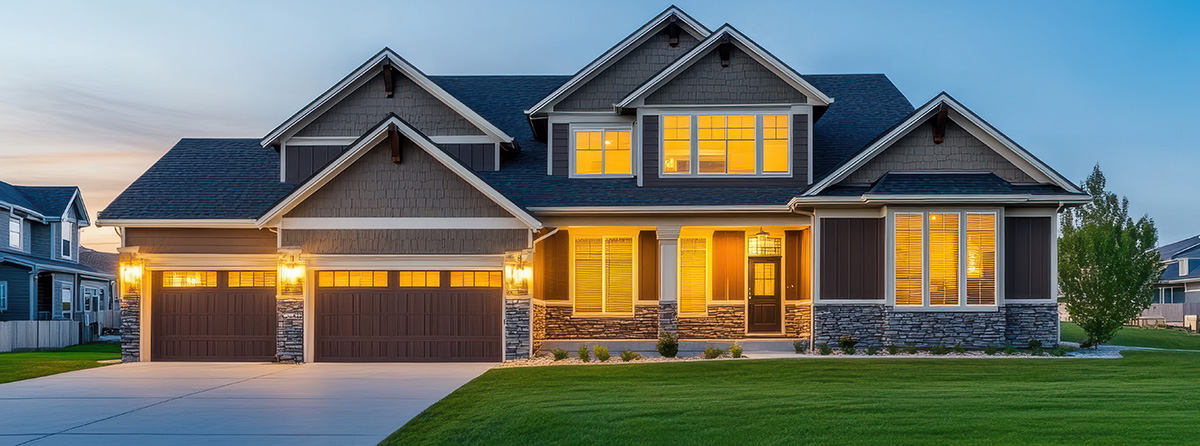
Get a free, no-obligation estimate from a crew that knows Colorado soil, Colorado weather, and how to finish concrete that lasts.
Accessibility
Adjust the site to fit how you read and browse. Your choices are saved on this device.