
The public walks on it, an inspector signs off on it, and the invoice lands on your desk. That's the deal with sidewalks.
Look down where your lawn stops. If the concrete butts straight into the back of the curb, you own an attached walk, and everything a plow throws in January lands on it. If a strip of grass separates the two, that's a detached walk with a tree lawn, and its troubles come from below: roots, sprinkler heads soaking one narrow band of soil, ground that stays damp long after the rest of the yard dries.
Both setups exist across Lone Tree and they fail nothing alike. Carriage Club and Fairways run a lot of tree lawn. Tighter street sections around Montecito put concrete hard against the gutter. Heritage Hills addresses carry long frontages, so one homeowner can be on the hook for twenty panels instead of four. We build to pass on the first walk-through, because a panel that misses tolerance comes out on our dime.
Attached walks die from the top down. Street sand grinds the surface every winter. Plow blades catch a lifted edge and take a chunk along. Brine that keeps the pavement clear splashes onto your concrete and works into anything that isn't air-entrained, so by year fifteen the panel face is sugary and pitted. Apron corners crack first, because that's where a delivery truck cuts the turn.
Detached walks die from underneath. The tree lawn strip gets watered like turf but sits over compacted fill, holding moisture against the bottom of the slab. Add a maple with thirty years of root growth and one panel starts climbing. The lift is never uniform. A quarter inch here, an inch and a half three panels down, and a run that reads fine in July trips people by November.
| What the panel is doing | How it gets handled | Reasoning |
|---|---|---|
| Joint offset under half an inch | Grind the lip flush | Cheap, fast, clears the trip hazard without a saw cut |
| Offset over half an inch, or a rocking panel | Remove and replace | The base moved. Grinding a moving slab buys you one winter. |
| Cross slope steeper than the standard | Replace, reset the grade | Slope gets measured, not eyeballed, and no amount of grinding brings a panel into tolerance |
| Water standing after a rain | Replace with corrected fall | Ponding becomes a February skating rink and undercuts the joint |
| Root heave, tree staying put | Replace with a root path under the slab | Swapping the panel without addressing the root just resets the clock |
Here's the spec that catches people. A public walk stays near flat side to side, roughly a quarter inch of fall per foot at most, so a wheelchair doesn't get pulled toward the street. Two percent. Sounds generous until you try holding it across a five-foot panel while still moving water off.
Running slope follows the street grade and mostly takes care of itself. Transitions are where jobs go sideways: the driveway crossing, the ramp connection, the landing that has to read dead level while the ground around it does no such thing. We shoot grades with a laser before forming, and we pull the right-of-way paperwork and meet the inspector rather than leaving that to you.
Forward it over. We'll walk the frontage and tell you what actually has to come out.
Everybody wants to keep the tree. Usually we can. Shaving surface roots and setting the panel over a compressible layer works when the trunk stands far enough off the concrete. Where a structural root runs directly beneath, the honest choices narrow to relocating that stretch of walk or accepting a repeat visit in six or seven years.
On scheduling, May through October is the open window here, and September tends to give us the best combination of warm days and cool overnight temperatures. Inspections take their own time, so pad your plan by a couple of weeks. Winter panels happen when a hazard can't wait: heated batch water, a chloride-free accelerator, blankets down for days, and never a pour over frozen subgrade.
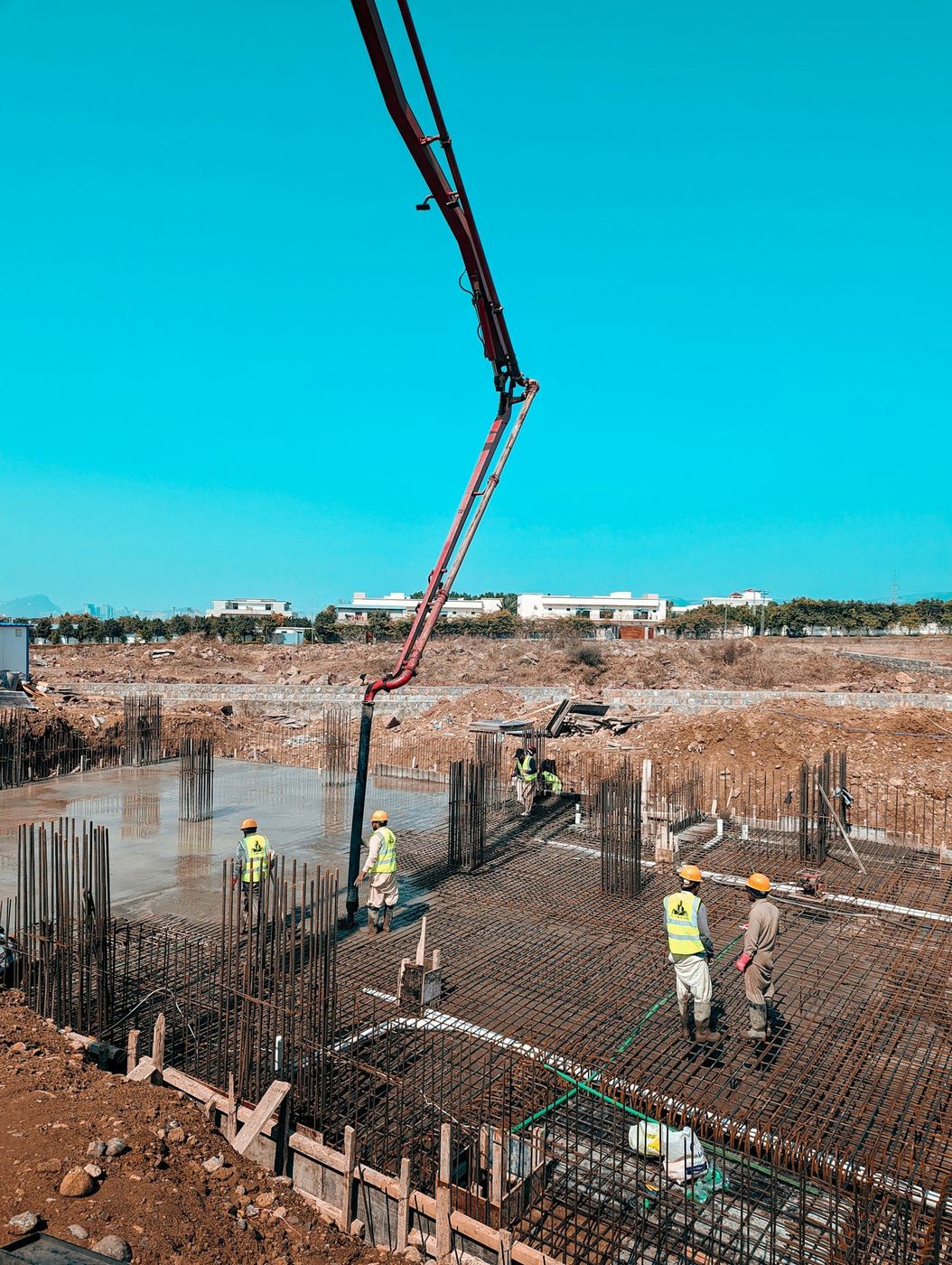
The tree lawn is where surprises live. We pull a panel expecting plain dirt and find an abandoned irrigation line, a conduit, and a root the size of my forearm running the length of the form. That's why we probe before the breaker comes off the trailer.What the crew sees on site
Still unsure about something?
Call the crew at (303) 569-4046 and we will talk it through.
Get a free, no-obligation estimate from a crew that knows Colorado soil, Colorado weather, and how to finish concrete that lasts.
Accessibility
Adjust the site to fit how you read and browse. Your choices are saved on this device.