
When patching stops working, we tear out, regrade, and get the base right this time.
You can grade a Larkspur driveway from the road. Edges crumbled into the pine duff. A panel near the culvert sitting an inch proud of its neighbor. Cracks wide enough to lose a key in, with weeds doing well in them. Maybe a patch on a patch, each one a slightly different shade of gray. None of that is cosmetic. It's the slab telling you the ground underneath has been moving, and that it's been losing the argument for a while.
Replacement sounds drastic until you price the alternative: chasing failures across a drive whose base already quit. We break out the old concrete, fix what the first builder skipped, and pour a slab designed for deep frost and hillside water. On the long runs around Sage Port and Perry Park, that second part matters more than the concrete itself.
Heave and settlement leave different fingerprints. A panel that lifts each winter and drops each spring is riding frost; up at this elevation the freeze works deep, and any water trapped in the base becomes a jack. A panel that sinks and stays sunk usually marks soft fill or a washout, common on drives cut across a slope, where runoff has been quietly mining the base for years. Long cracks that keep widening mean the slab is spanning a void and losing.
The distinction matters because it decides the fix. Frost heave calls for drainage correction. Washouts call for regrading. And a slab doing both at once is past saving, no matter how much caulk goes into it.
| From the curb | What's happening below | The honest fix |
|---|---|---|
| Edges breaking off in chunks | Slab poured thin at the borders, or base eroding out from under the edge | Full-depth edge repair at best. Replacement if it runs the whole drive. |
| One panel high, its neighbor low | Frost lifting one side, or fill settling under the other | Level the panels if the base is sound. Replace the run if it moves again next spring. |
| Long cracks that widen every year | The slab is bridging a void or riding soil movement | Replacement with regrade. Sealing a moving crack just decorates it. |
| Alligatored patchwork of old repairs | The base failed years ago and the patches are floating on it | Tear-out. Money spent patching a dead base gets spent twice. |
You can tell how a drive was built by what the excavator finds. Good ones fight you coming out. The bad ones come up in pieces you could flip with a shovel, two inches thin with dirt stuck to the bottom where base should be.From the crew lead on these jobs
Text us three photos: the worst crack, the worst edge, and the whole drive from the road. We'll say repair or replace before anyone drives out.
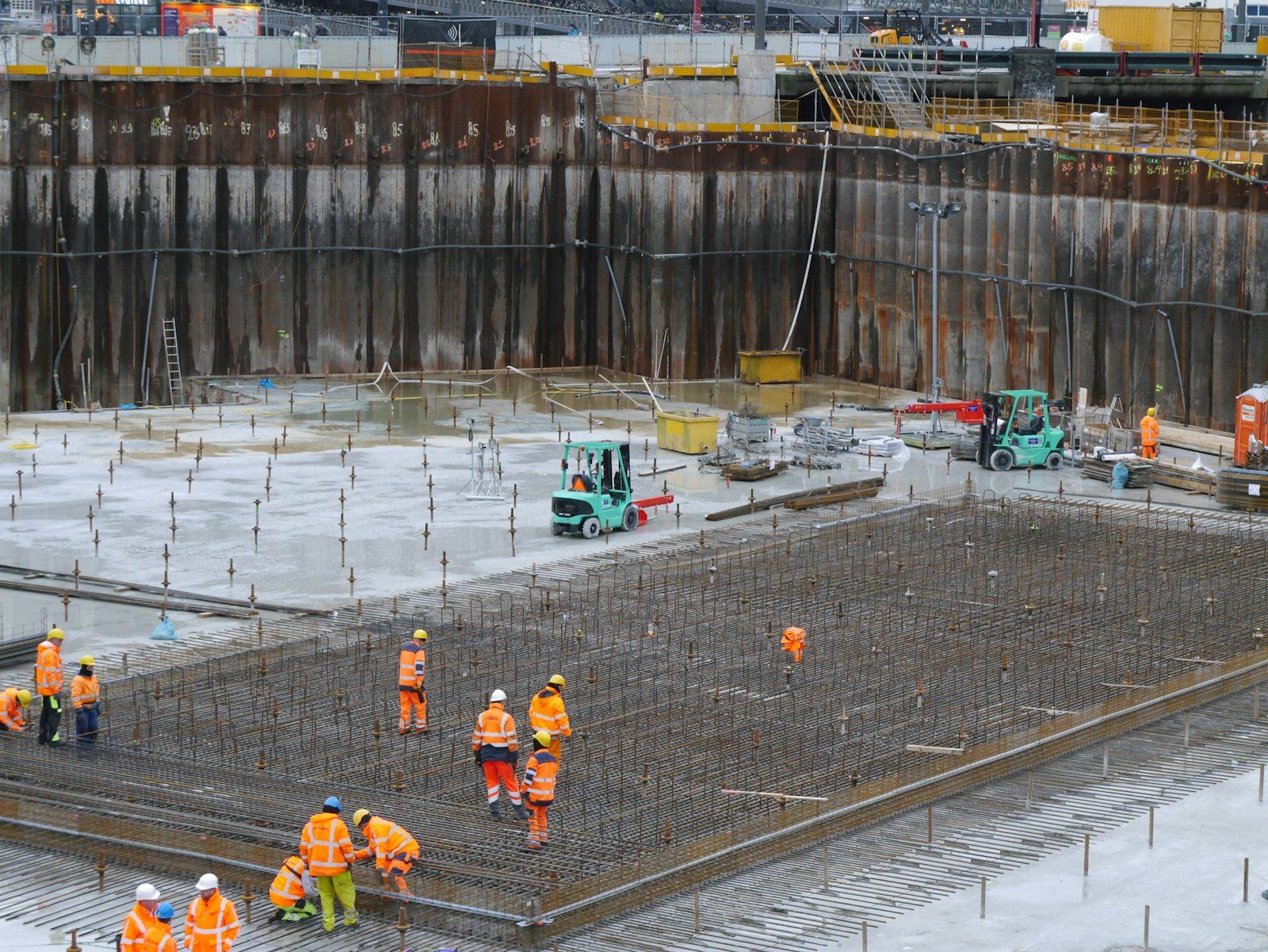
Demo day moves fast. The old slab gets broken, loaded, and hauled the same day on most jobs, and we recycle the rubble whenever the load qualifies. Then the real work starts: regrading. This is where we correct the reason the last driveway died, cutting paths so hillside runoff crosses the drive instead of soaking under it, then building the profile back with compacted road base.
On long drives we work in stretches so you're never fully cut off from the house for more than a day or two. Most replacements run under a week from the first bite of the excavator to finished concrete. Then the cure clock takes over from the equipment, and patience becomes the job.
Larkspur's season runs shorter than Denver's. We book replacements from late spring through October and treat September as the prize slot: warm enough to finish well, cool enough to cure slow and strong before the freeze. Winter demolition is actually fine; broken concrete doesn't care about the cold. It's the pour that needs conditions, so a December tear-out sometimes waits under temporary gravel until a warm window opens. Heated water and insulated blankets stretch the calendar for us, but we never pour over frozen base. And whatever month the new drive goes in, it gets no deicer at all its first winter. Sand only. Magnesium chloride is how you buy the same driveway twice.
Still unsure about something?
Call the crew at (303) 569-4046 and we will talk it through.

Get a free, no-obligation estimate from a crew that knows Colorado soil, Colorado weather, and how to finish concrete that lasts.
Accessibility
Adjust the site to fit how you read and browse. Your choices are saved on this device.