
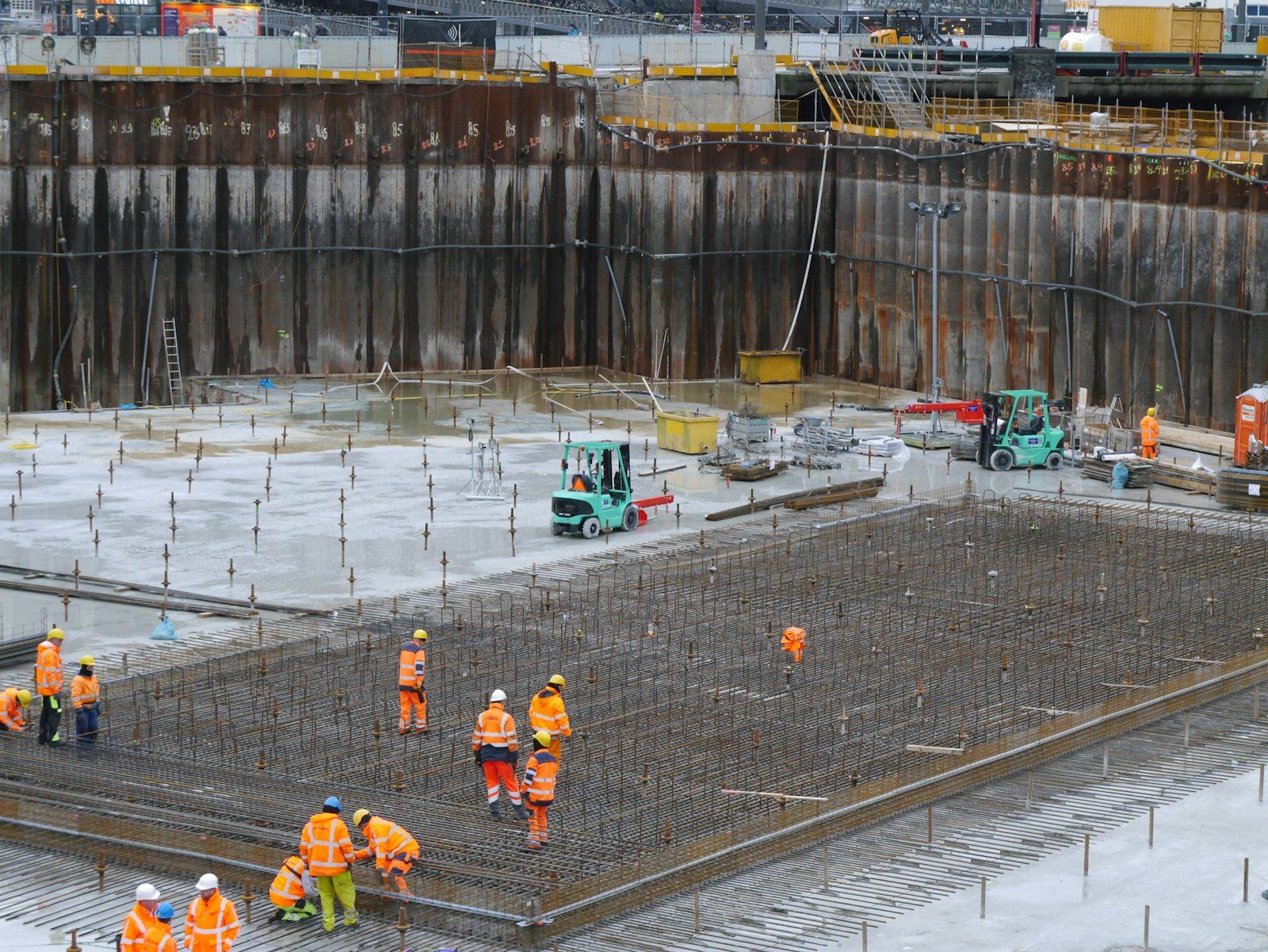
We price the dirt before we price the concrete, because out here the dirt is the job.
Before we quote a foot of flatwork in Larkspur, somebody digs. Shovel, hand auger, sometimes a small excavator bucket if the site allows it. What comes out of that hole writes most of the proposal, because the slab on top is the inexpensive half and the eight or ten inches underneath are what you're really buying. Sandy, gritty material that sheds water is a good morning. Wet gray plastic soil sitting in a shaded draw is a different scope entirely, and you should hear about it before you sign anything.
Our commercial work out here serves the properties that actually operate: small business frontage, contractor shops, equipment yards, ranch outbuildings, and the shared walks and service aprons an association keeps up. There's no row of loading bays in this town. There are scattered buildings on rolling, treed ground near 6,700 feet, and the runoff that sheets down a slope in May is the same water that lifts a panel three inches in January.
Ground here changes over short distances. Up along the higher shoulders around Perry Park we often hit coarse, gritty material that drains well and compacts to a solid platform in two lifts. Drop into a shaded pocket a hundred yards away and the same property gives us damp fines that pump under a plate compactor. Sage Port properties tend to sit on gentler ground with more consistent subgrade, which makes for predictable bids. Bear Dance has the steepest slopes we work on regularly, and slope is what turns an ordinary base question into a drainage question.
Trees complicate all of it. A mature stand shades a slab most of the day, so the ground under it stays damp into June and freezes deeper in December. Roots run right where you want your base to go. We map the big ones during the walkthrough and either route the flatwork around them or plan the cut so we're not slicing through a root plate that's holding a fifty-foot ponderosa upright.
| Base section | Where it belongs | The tradeoff |
|---|---|---|
| Four inches of compacted road base | Pedestrian walks and light patio slabs on ground that already drains | Fine on good soil. On damp fines it's a placeholder, not a solution. |
| Six to eight inches, two lifts, compacted | Shop aprons, service walks, small business frontage, parking stalls | Our default for anything a vehicle touches. Adds a day of prep. |
| Ten to twelve inches over geotextile | Soft or wet subgrade you cannot dig out to something better | Costs more in material and hauling. It's the only version that holds. |
| Base plus a drain line behind the slab | Anywhere a hillside above the pad feeds water toward it | One extra trade day. Saves the whole slab on a wet spring. |
Send a photo and tell us where the water comes from. We'll tell you whether it's a concrete problem or a grading problem.
May through October is the wide open stretch for base work and flatwork at this elevation. September is our favorite month of the year for it. Days stay warm enough for a clean finish, nights cool off so the surface doesn't flash over, and there's a long runway before the first hard freeze settles into the draws. Summer is productive as long as we start early and keep an eye on the build over the foothills, because a cloudburst landing on a slab that's still being troweled will cost you the top quarter inch as scaling a few winters later.
Winter changes the prep more than it changes the pour. Heated mix water, a non-chloride accelerator, and blankets on the ground before the trucks leave are all straightforward. Frozen subgrade is not. We won't build a base on frost and we won't set concrete on it, because both come back up in the spring and you buy the same slab twice. If your operation has a hard December date, tell us in September and we'll get the excavation and base in while the ground is still open, then place when a three-day window shows up.
Frost depth is the other thing that separates work up here from work down on the flats. Anything that has to stay level relative to a building gets footings that reach below it. That includes bollards, stair landings, and the edge of any apron that ties into a foundation.
Nine times out of ten the manager points at the cracked panel and the actual problem is uphill of it. Downspout dumping onto grade, water tracking under the slab, base washing out a spoonful at a time for six years. Pour a new panel over that and you've bought yourself a matching crack.What the crew sees on site
Still unsure about something?
Call the crew at (303) 569-4046 and we will talk it through.
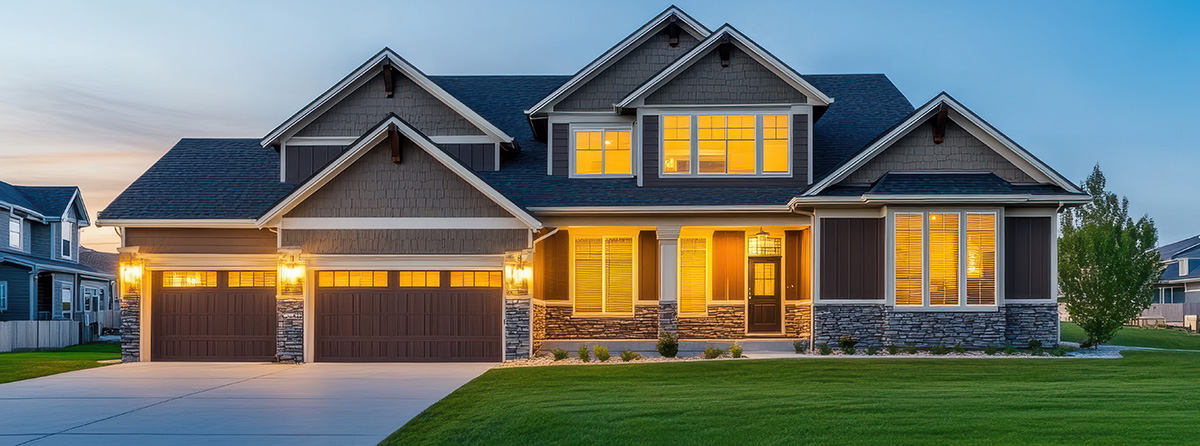
Get a free, no-obligation estimate from a crew that knows Colorado soil, Colorado weather, and how to finish concrete that lasts.
Accessibility
Adjust the site to fit how you read and browse. Your choices are saved on this device.