
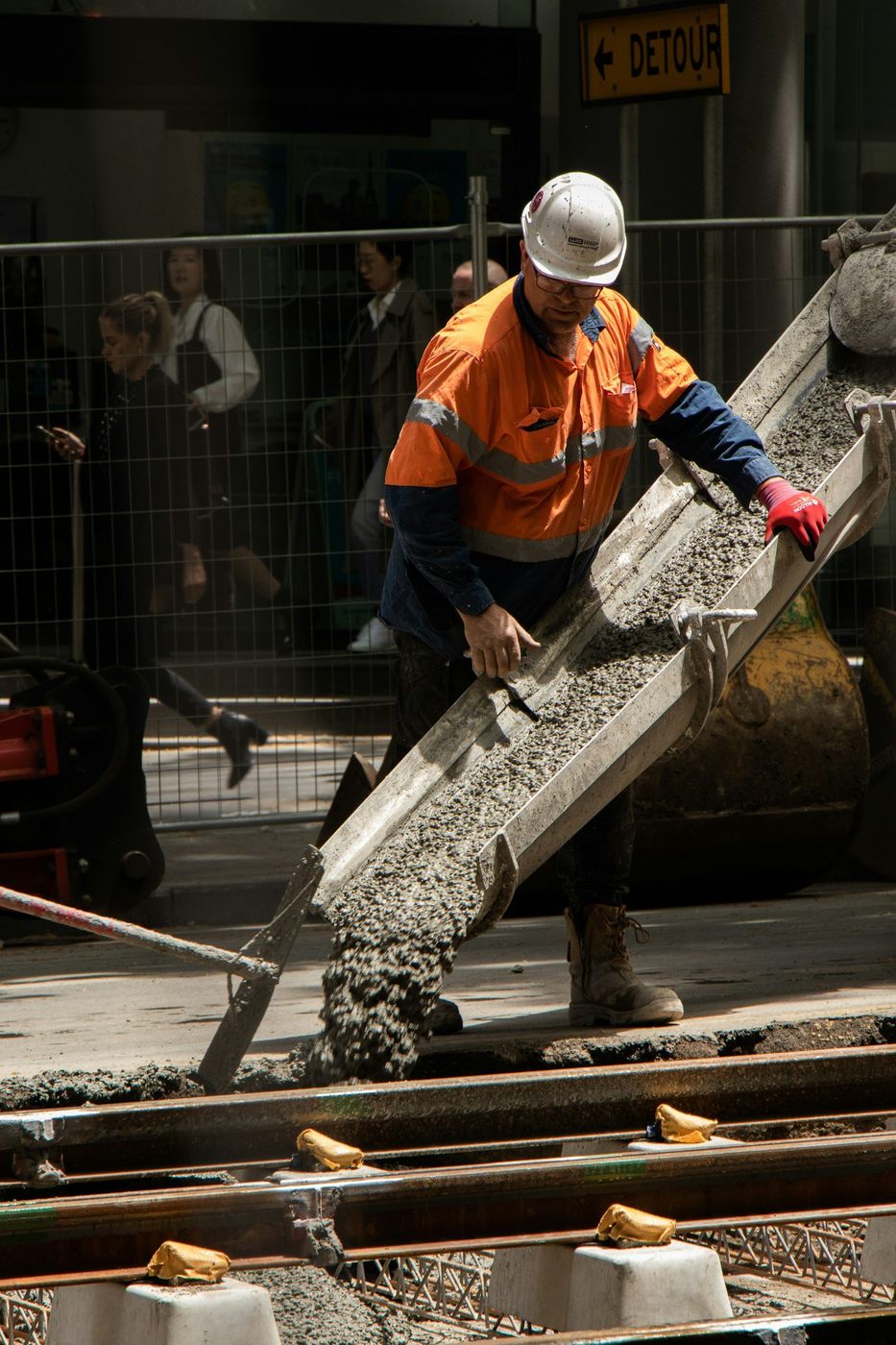
Holes, steel, and a truck that gets one hour to do it right.
Pour day on a footing job starts before sunrise and runs on a clock nobody gets to pause. Holes get cleaned out and checked for standing water. The inspector walks the trench. Cages drop in with the right cover on all four sides. Somebody calls the batch plant to confirm mix and load count, and then a truck backs down the drive and the hour that matters begins.
We like this work for exactly that reason. It's unglamorous and it's unforgiving. Anything you get wrong is buried by dinnertime, and anything you get right holds up a deck, an addition, a shop, or a whole house for the next fifty years in ground that never entirely stops shifting. Nobody compliments a footing. They just quietly stay put while the neighbor's deck goes crooked.
Two separate questions, and people mix them up constantly. Depth answers frost: get the bearing surface below the line where the ground freezes so ice lensing can't lift it, which around here means burying footings roughly three feet under finished grade. Width answers load: divide what's coming down by what the soil can safely take, and that's your footing. A skinny pier driven deep will still sink if the pad at the bottom is too small for the column sitting on it.
Then there's a third force people forget entirely. Frost grabs the sides of a shallow pier and jacks it upward, which is why deck posts move while the house they're attached to doesn't. We've reset a lot of decks in Southridge and Eastridge where the original piers stopped at eighteen inches because the auger hit hard ground and somebody decided that was deep enough. On steeper BackCountry and The Hearth lots we also watch downhill slope, since a footing near the face of a slope needs to sit back far enough to have real soil in front of it.
| What it carries | Typical support | Why it gets sized that way |
|---|---|---|
| Deck posts on a flat residential lot | Round drilled piers below frost, widened at the base where the load calls for it | Point loads are modest, but the uplift frost puts on a narrow column is not |
| Detached garage or backyard shop | Continuous perimeter footing with a wall on top, thickened at door openings | Walls carry roof and snow load along a line, so the support runs along that same line |
| Room addition tying into the house | Footing matched to the existing depth and bearing, doweled at the connection | Two foundations at different depths on this soil will move at different rates |
| Covered patio or carport columns | Isolated pads sized to the roof area each post picks up, bolts wet-set | Snow load across a wide roof funnels down into a handful of posts |
| Basement column or beam pocket | Thickened pad under the point, poured with the slab or dropped below it | A steel post concentrates the whole floor system into a few square inches |
Send them over. Our engineer sizes the footings and piers, then we price the work. (303) 569-4046.
Spring is the messiest season for hole work and nobody warns you. Melt water finds open excavations, clay turns to gum on the auger flights, and a hole drilled Thursday can have four inches of water in it by Friday morning. We drill and pour the same day whenever we can for that reason. Summer flips the problem: dry, hard ground drills clean, but afternoon storms build fast over the foothills and a downpour on fresh concrete is a real risk, so summer pours start early and plastic rides on the truck.
Fall is the best stretch of the year for this, honestly. Ground is dry, temperatures are kind to a cure, and the calendar has room. Winter work continues with heated water, non-chloride accelerators, and blankets over the caps, and frozen ground actually drills fine below the first foot or so. What we won't do is set concrete against a frozen bearing surface. Ice in the soil is water that hasn't finished moving yet.
Still unsure about something?
Call the crew at (303) 569-4046 and we will talk it through.
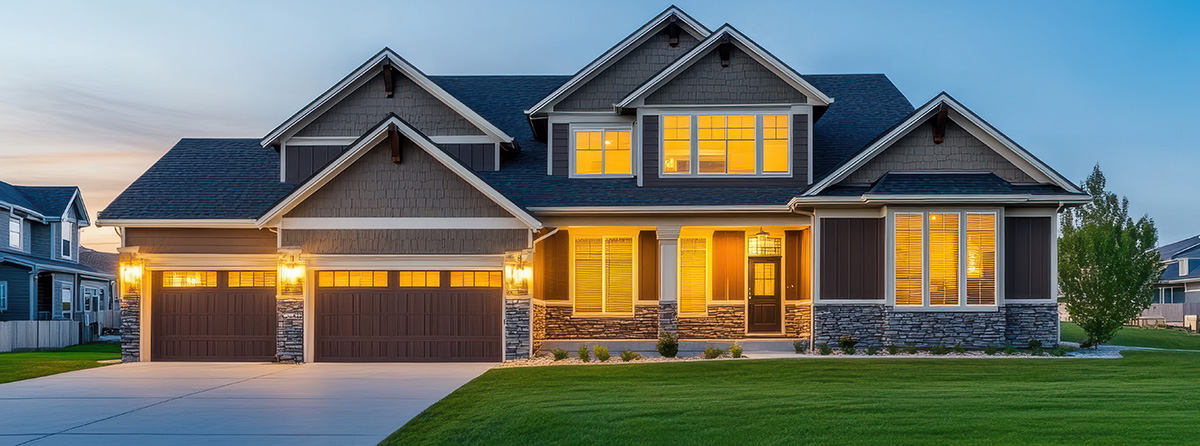
Get a free, no-obligation estimate from a crew that knows Colorado soil, Colorado weather, and how to finish concrete that lasts.
Accessibility
Adjust the site to fit how you read and browse. Your choices are saved on this device.