
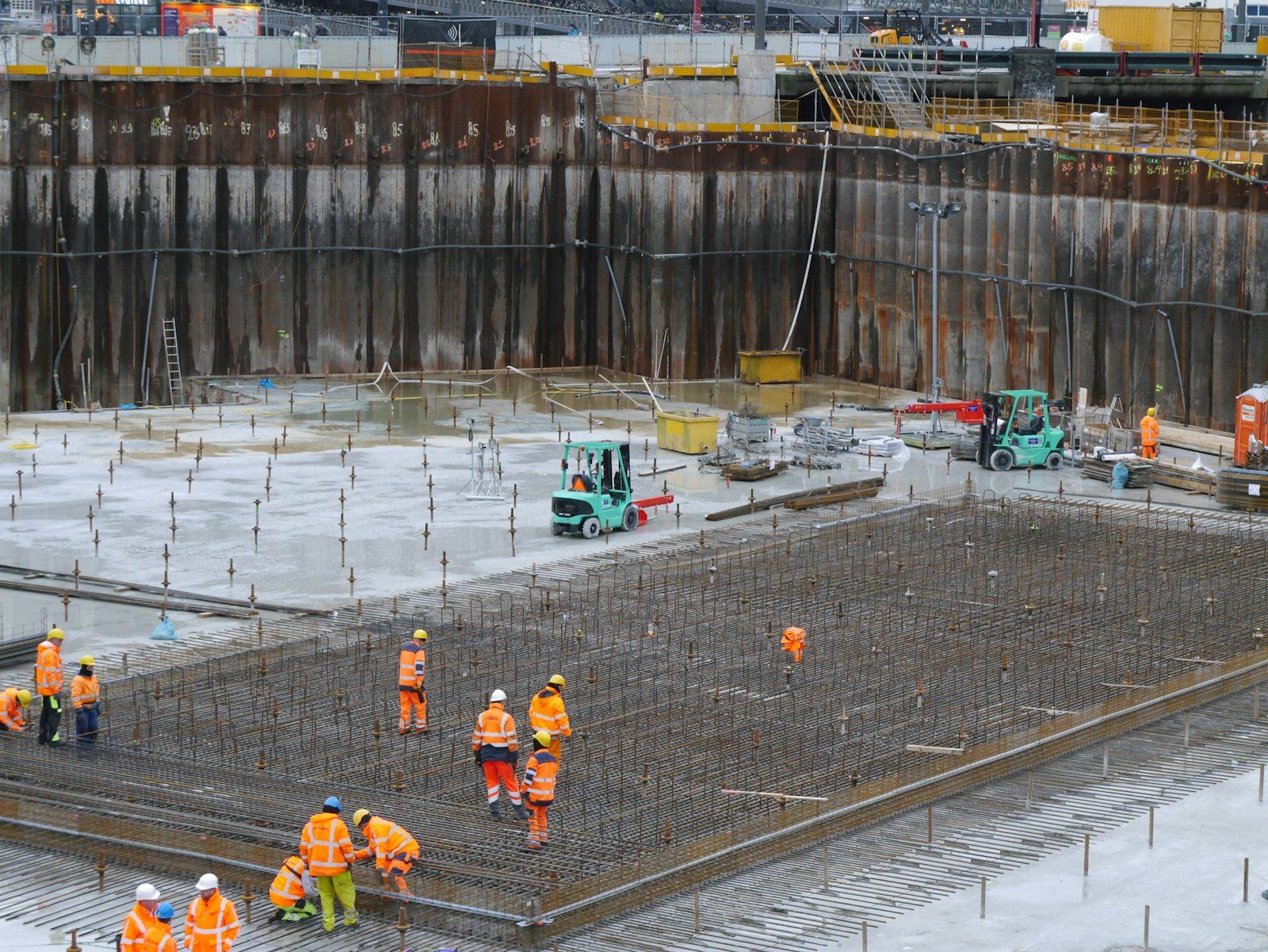
Most accessibility problems we get called about are half an inch of slope, and the fix is smaller than the owner feared.
You usually find out one of three ways. A tenant improvement goes through plan review and the entrance comes up. A customer sends a letter. Or a maintenance tech finally puts a level on the ramp everyone complains about and it reads well over what's allowed. Same question either way: what's the smallest correct fix, and is a bigger one worth doing while the entrance is torn up anyway?
That's the conversation we're good at. We build and correct accessible routes for commercial and multifamily property throughout Denver, from small storefront entries in the Highlands to community walk systems in Central Park. We measure first, tell you what the numbers actually say, then lay out the options with their real trade-offs instead of pushing the biggest scope.
An accessible route is a chain. Parking stall, access aisle, curb ramp, walk, landing, ramp run, door approach. One link out of tolerance breaks the route, and owners spend money on the wrong link because the failing one is less obvious. We've watched a perfectly good ramp get rebuilt when the real problem was cross slope on the walk feeding it.
So we measure the whole chain before recommending anything. Sometimes the answer is genuinely small: grind a lip, reset one panel, add detectable warnings at the curb transition. Sometimes the walk has settled far enough that patching it throws money at a base problem. Twenty minutes with a level and a tape sorts that out, and it's free.
| Option | When it's the right call | What you give up |
|---|---|---|
| Regrade the approach walk only | The ramp itself measures fine and the failure is cross slope or a lipped panel ahead of it | Nothing much. Least disruptive fix and it keeps the entrance open most of the time. |
| Rebuild the ramp run and landings | Running slope is over, landings are short, or the base under the run has settled | The entrance closes for several days and you'll want a temporary route signed and in place. |
| Relocate the accessible route | The existing path can't make the numbers without moving a door or a wall | More concrete and more site work, but it often produces a better entrance than the one you had. |
| Curb ramp plus detectable warnings at the lot | The building entry is fine and the failure is at the parking transition | Small scope, quick turnaround, and usually the one that closes a complaint fastest. |
A ramp that measured correctly on inspection day can fail years later without anyone touching it. Our soil moves. A run poured on clay that wasn't properly based settles at the bottom landing, which steepens the run above it just enough to matter. Freeze-thaw does the opposite up top, heaving a panel into the quarter-inch lip that stops a wheelchair caster cold.
Property age shows up plainly. Older commercial frontage in Berkeley, Park Hill, and around University Hills often has ramps retrofitted into walks poured long before anyone measured cross slope, done with a shovel and good intentions. Newer parcels in Central Park measured right on day one, so when they fail it's settlement rather than layout. Cherry Creek entries are the tight ones: little room between the door and the property line, which is where relocating a route stops being simple.
We'll come measure slopes, landings, and transitions end to end and hand you the numbers. No charge, no obligation to build anything.
Ramps are small pours with tight tolerances, so weather matters more than the volume suggests. Spring through October is our comfortable window, and the shoulder weeks are best because a moderate day buys a long finishing window, and slope correction is all finishing. Summer afternoons get watched. A storm on a fresh ramp means scaling right where people put their wheels.
Winter ramp work happens because accessibility problems don't wait for April. We form, heat the mix water, blanket the pour, and hold traffic off it longer than we would in June. We won't place on frozen ground. If your entrance is unsafe in January, we'll build a compliant temporary route while the permanent work waits for a workable window, and we'll say so plainly rather than pour something we'd have to redo. Anything reaching into the sidewalk means the city's right-of-way permit, so we start that early.
Still unsure about something?
Call the crew at (303) 569-4046 and we will talk it through.
Get a free, no-obligation estimate from a crew that knows Colorado soil, Colorado weather, and how to finish concrete that lasts.
Accessibility
Adjust the site to fit how you read and browse. Your choices are saved on this device.