
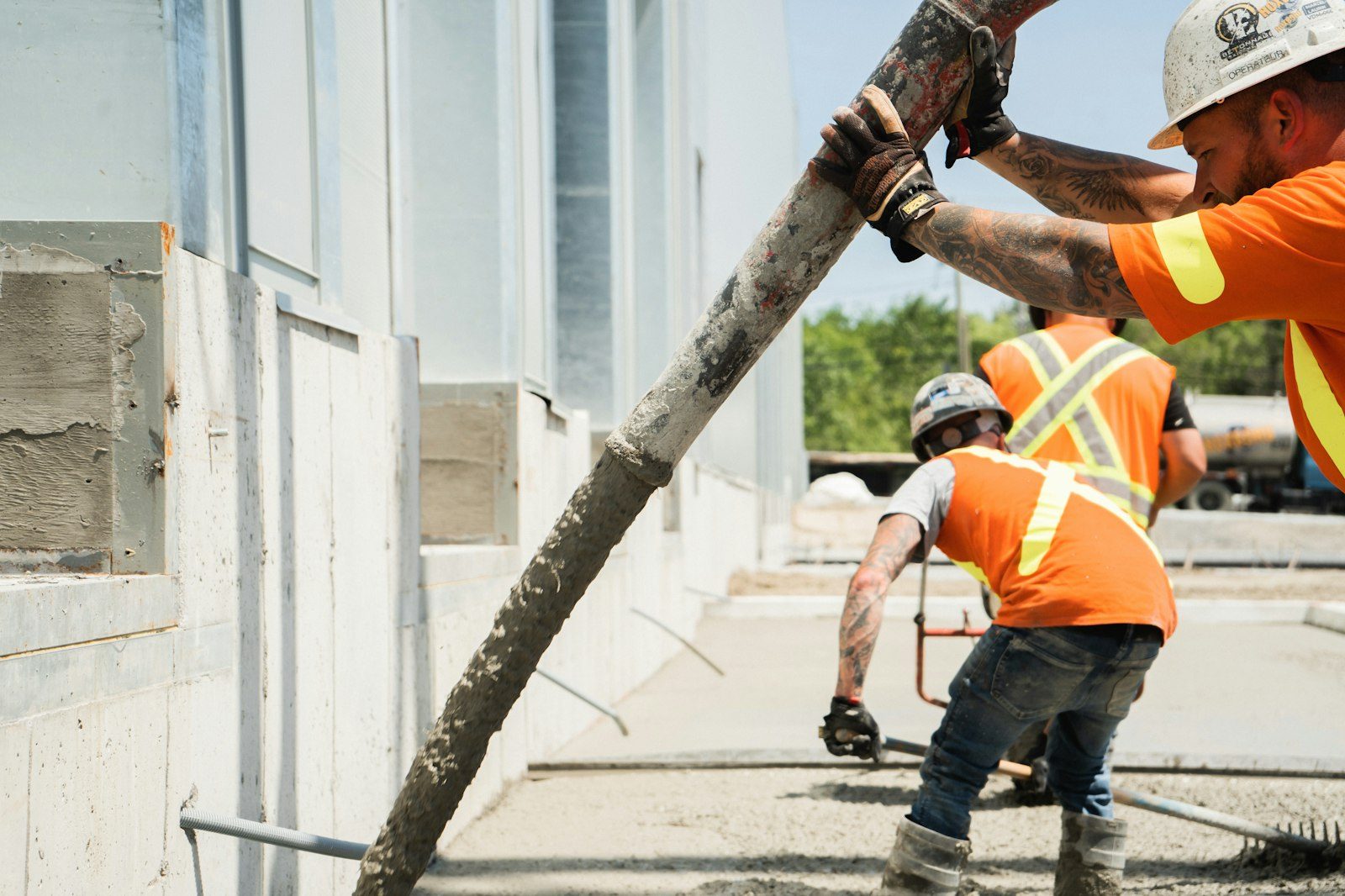
An in-house structural engineer designs the fix. Our own crew puts it in the ground.
Here's what a foundation repair actually looks like, hour by hour. The crew shows up early and lays plywood tracking across the lawn. Hand digging starts at the marked footing locations, careful work around sprinkler lines and roots, until the bottom of the footing is exposed. Brackets get set. Steel piers go down, section by section, driven or screwed to depths the engineer specified, until each one hits refusal in ground that doesn't move. Then, slowly and evenly, the house transfers its weight onto steel that reaches below the problem soil.
No mystery, no hand waving. That matters because foundation work is where homeowners get scared into overbuying or lulled into underbuying. Our advantage is structural: the engineer who evaluates your Castle Rock home works for us, designs the repair, and stamps the plan. You get one accountable company from the first crack measurement to the final lift, with the paperwork your future buyer will want to see.
Castle Rock sits on expansive clay, and that one fact drives nearly every foundation call we get. The soil absorbs water and swells with enough force to lift a corner of a house; then a dry year shrinks it and the same corner settles back, but never quite to where it started. Repeat that seasonal push and pull for a decade or three and drywall cracks open over doorways, floors develop a lean, and foundation walls pick up cracks of their own.
The pattern shows up across town on its own schedule. Established areas like Founders Village, Plum Creek, and Castlewood Ranch have had decades of wet-dry cycling, so movement there tends to be gradual and cumulative. In younger neighborhoods, The Meadows, Crystal Valley, Metzler Ranch, the trigger is often the first few years after construction, when disturbed soil finds its moisture balance and new landscaping changes how much water reaches the clay. Red Hawk, Sapphire Pointe, and Cobblestone Ranch see both stories.
| The crack | Usual cause | How seriously we take it |
|---|---|---|
| Hairline vertical in poured wall | Normal curing shrinkage | Low. Monitor it; seal it if it weeps water |
| Stair-step through block or brick | Differential settlement pulling at mortar joints | Moderate to high; this is movement, not shrinkage |
| Horizontal along a basement wall | Swollen clay pushing sideways on the wall | High. Get it evaluated promptly |
| Widens each season, or offset faces | Active, ongoing foundation movement | High; active beats wide in our triage every time |
| Drywall cracks over doors, sticking doors | The frame racking as the foundation tilts | A symptom worth a look; the cause lives below |
Not every cracked foundation needs underpinning, and we're direct about that. Some jobs call for water management first: regrading, downspout extensions, fixing the irrigation that's been soaking a foundation corner for years. Some wall cracks need injection and monitoring, nothing more. But when the structure is actively settling, steel piers that carry the load down to stable ground are the fix that ends the story, and cosmetic patching over active movement is money burned.
The engineer's evaluation is what sorts your house into the right bucket. Elevation readings across the floor, crack mapping, drainage review, and a look at how the damage lines up with the soil conditions on your lot. You get a written finding either way, including the times we say your foundation is fine and the crack is cosmetic. That answer is free more often than people expect.
Stop guessing. Call (303) 569-4046 and get the engineer's read on whether it's cosmetic or structural. Free evaluation, written findings, zero pressure.
Foundation repair runs closer to year-round than people assume, since most of the work happens below frost depth and pier installation doesn't care much about air temperature. Deep winter can slow excavation when the top of the ground freezes hard, and any concrete we place, footings, patch-backs, wall work, follows cold-weather rules: heated mix water, non-chloride accelerators, blankets, and never a pour over frozen ground.
If you can pick your moment, late summer into fall has real advantages. The soil is typically at its driest and most stable, access for equipment is easy, and the repair is finished before spring moisture starts the clay swelling again. The worst plan is waiting. Movement compounds, and a house that needed four piers two years ago has a way of needing eight by the time the call finally happens.
The lift is the part homeowners never forget. We take up the load a little at a time, and you can watch a drywall crack upstairs close as the corner comes back toward level. Ten years of slow sinking, walked back in an afternoon.The crew lead's read on it
Still unsure about something?
Call the crew at (303) 569-4046 and we will talk it through.
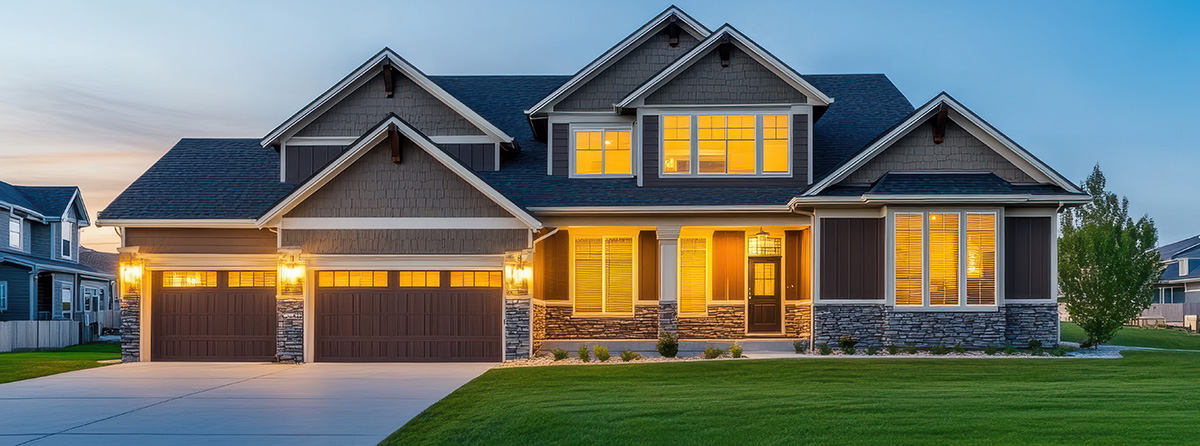
Get a free, no-obligation estimate from a crew that knows Colorado soil, Colorado weather, and how to finish concrete that lasts.
Accessibility
Adjust the site to fit how you read and browse. Your choices are saved on this device.