
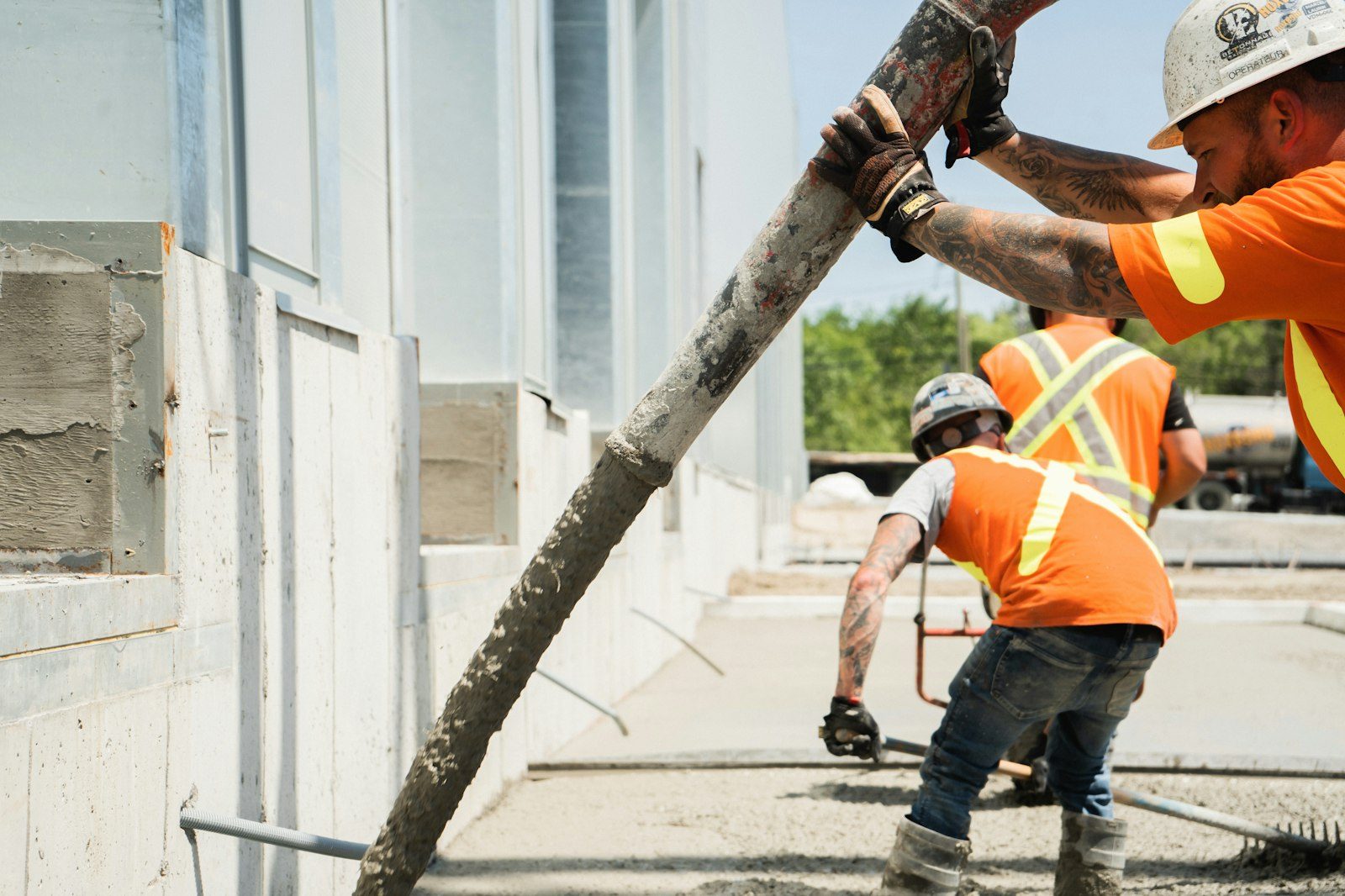
Cement is the cheap ingredient. We'll show you where a foundation budget really goes.
Two houses a block apart in Metzler Ranch can get foundation bids that sit a long way apart, and neither contractor is lying to you. The difference almost never lives in the concrete. It lives in the ground. One lot drains. The other holds water in a clay seam eight feet down, and that second lot needs a wider footing, more steel, and a drain system the first one gets to skip.
So we quote this work by walking you through the drivers instead of handing over a single number with nothing behind it. What the geotech says. How far down competent bearing sits. Whether the lot slopes enough to force a stepped footing. Whether we're digging in June or January. Our structural engineer sits in this office, which means design and price get worked out together rather than argued between two companies after you've already signed a contract.
Every foundation we build in Douglas County starts with a geotechnical report, and that document shapes more of the cost than any decision you'll make about square footage or finishes. It gives us allowable bearing pressure, which sets footing width. It shows where groundwater sits, which decides whether a perimeter drain is optional or mandatory. And it puts a number on swell potential. That number is the fork in the road between a straightforward spread footing and a design built on drilled piers with void form under the grade beam.
People ask whether they can skip the report and save a little. Skip it and you're guessing on the most expensive thing you will ever bury under your house. We won't design blind. What we will do is sit down with the report, translate it out of engineering language, and point at the three or four lines that are about to shape your number.
| Driver | Why it changes the price | How it shows up on your lot |
|---|---|---|
| Bearing depth | Deeper competent soil means more excavation, more wall height, more backfill | The bucket keeps finding soft material below the design elevation |
| Swell potential | High swell pushes the design toward piers and void form under grade beams | Geotech flags the clay as highly expansive |
| Site slope | Stepped footings and tall downhill walls add forms, steel, and shoring | Sloped lots in Red Hawk and Sapphire Pointe |
| Groundwater | Perimeter drain, sump provisions, and waterproofing instead of damp-proofing | Water standing in the hole overnight |
| Access | Tight lots slow the excavator and add haul trips for spoils | Fenced yards, mature trees, narrow side yards |
| Season | Heated water, blankets, and ground thaw are real line items | A December dig instead of a June one |
The newer subdivisions give us the easier version of this job. Crystal Valley, Cobblestone Ranch, and the later phases of The Meadows were platted with engineered pads, mass grading finished, and utilities stubbed where the plans say. Foundations there usually price close to the drawing because the hole holds few surprises.
Older ground is a different conversation entirely. Founders Village and Plum Creek carry housing stock old enough that additions, garage conversions, and basement projects now have to tie new structure into original structure, and matching a footing that went in decades ago takes exploratory digging before anyone can honestly quote it. Steep lots throw grade at us, so downhill walls get taller and the shoring bill grows. Castlewood Ranch lots often have room for a walkout, which is wonderful for the house and quietly turns part of your foundation into a retaining condition. None of this is bad news. It's just news you want in hand before the excavator rolls off the trailer.
Send both. We'll build the foundation price off real numbers instead of a square-foot shortcut.
We pour foundations year round in Castle Rock, but the calendar changes the math. April through October is the easy stretch. The ground opens up, backfill compacts the way it should, and nobody's paying a premium to keep concrete warm overnight. Late summer runs busiest because builders want walls up and framing started before the weather turns.
Winter foundations are real work and we do plenty of them. Heated mix water. Non-chloride accelerators. Insulated blankets draped over walls for days. Sometimes a thaw operation before the excavator can even break ground. Every one of those items lands on the estimate, and the schedule stretches because we pour between weather fronts rather than on a fixed date. If your build can wait until March, waiting saves you money. If it can't, we'd rather pour it correctly in February than watch a project sit idle for four months. Setting forms on frozen ground is the one shortcut we refuse.
The hole tells you whether the bid was honest. We dig to the elevation the engineer called for, then look hard at what the bucket brings up. Twice this year we found soft material below design depth, got our engineer out on site that same morning, and went deeper before a single form panel went up. That's one extra day. It's cheaper than every single alternative.Our crew lead, after the walkthrough
Still unsure about something?
Call the crew at (303) 569-4046 and we will talk it through.
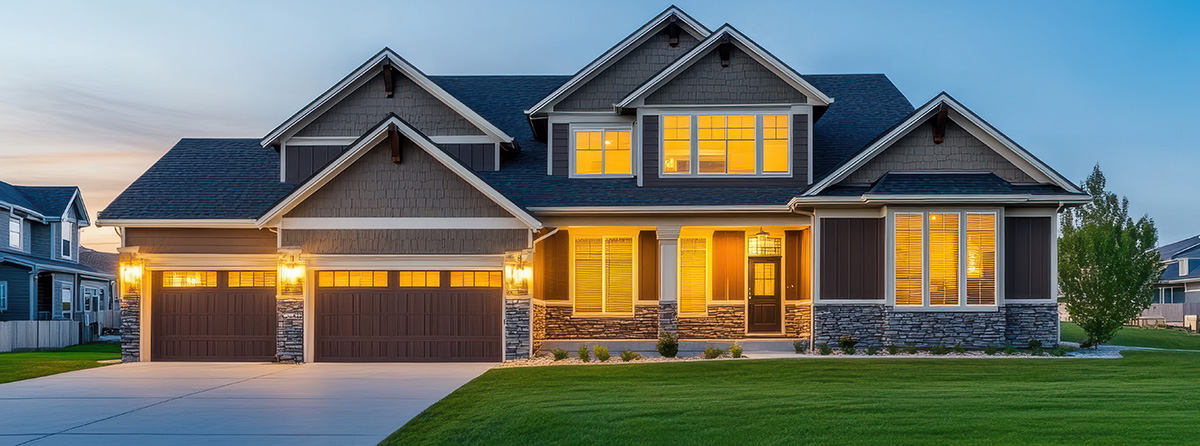
Get a free, no-obligation estimate from a crew that knows Colorado soil, Colorado weather, and how to finish concrete that lasts.
Accessibility
Adjust the site to fit how you read and browse. Your choices are saved on this device.