
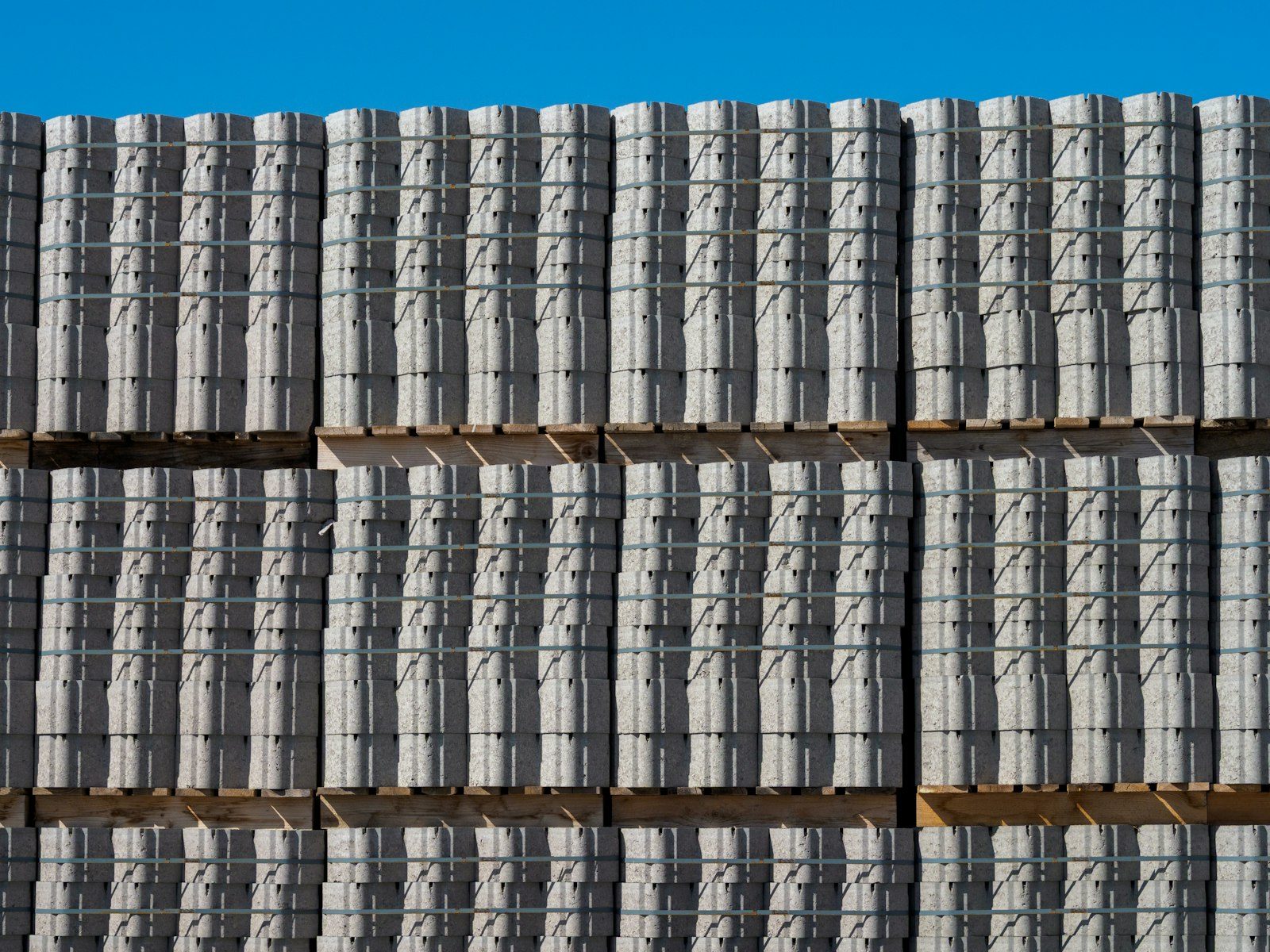
Saw, break, load, haul, and leave you a graded pad instead of a pile.
You can spot a slab that's finished from a car window. The panels don't line up anymore, so the whole drive reads as a set of tilted rectangles instead of one surface. The joints have gone dark and wide. Along the street edge the concrete has crumbled back an inch or two, showing rounded gravel where a clean line used to be. Grass is growing out of the middle of it.
That's the point where patching stops being frugal and starts being expensive. Removal is the honest first step, and it deserves more attention than people give it, because how the old concrete comes out determines what the new work can be. Cut the wrong line and you damage a garage slab. Skip the regrade and you've bought a new slab on old problems. We do demolition as its own job, done right, whether we pour the replacement or somebody else does.
Drive the older streets in Stroh Ranch or the established parts of The Pinery and the signs repeat. Look for the shadow line first. When a panel tips, its edge throws a shadow the neighboring panel doesn't, and once you notice it you'll see it on every failing drive on the block. Then look at the apron where the concrete meets asphalt. That transition takes the most traffic and the most plow contact, and it usually surrenders first, breaking down into a ragged strip of loose aggregate.
Next, the corners. A slab losing its base will crack diagonally across a corner because that's the least supported spot on the panel. Wide open cracks with vegetation in them mean water has been running down through the slab and into the soil for years, and everything below the concrete has been rearranged by it. Finally, look for a step at the garage. If you can see daylight or a lip where the drive meets the garage floor, the drive has settled away from the house, and no amount of surface work fixes that.
Any two of those together and we're talking about removal, not repair.
| What we're removing | How it comes out | What that means on site |
|---|---|---|
| Four-inch walks and patios | Breaker attachment on a compact machine, loaded with a skid steer | Small footprint, a load or two of debris, usually one day |
| A driveway with steel in it | Saw the perimeter, break into liftable panels, shear the rebar as we load | Slower going, since the steel has to leave with the concrete |
| Thick or heavily reinforced pads | Hydraulic hammer plus relief cuts, loaded in stages | More machine hours and more truck trips |
| Slabs butted to a house, garage, or finished stone | A clean saw cut on the separation line first, then hand work along the edge | Protects what stays put. Costs hours, saves damage. |
| Long drives on wooded acreage | Sawed into sections and staged, then hauled in rounds | Haul distance and staging room set the schedule more than the concrete does |
Clean concrete is a recyclable material, and we treat it like one. Broken slab without contamination gets hauled to a crusher and comes back into the world as road base. Concrete with heavy coatings, embedded asphalt patching, or mixed debris in it goes to disposal instead. We sort at the truck rather than at the yard, because once it's mixed it all becomes trash.
Site protection is the part homeowners notice most. On the acreage lots around Parker, machines cross grass and tree roots to reach the work, so we mat the travel route and pick a path that keeps tires off the drip line of anything mature. Irrigation heads get marked before anything moves. In tighter yards over in Clarke Farms and Canterberry Crossing we'll run a smaller machine and take an extra half day rather than force a big one through a gate that was never built for it.
When the debris is gone we don't leave you a crater. The subgrade gets rough graded, and if new concrete is going in, it gets the road base and compaction that the old slab never had.
We'll walk the site, mark the cut lines, and give you a written removal price. Pour or no pour, the estimate is free.
People ask why we spend the first hour of demo day with a saw instead of a hammer. Because the cut line is the only part of this job you'll still be looking at in ten years. Break concrete without cutting it first and the fracture wanders wherever it likes, usually under the garage slab.What the crew sees on site
Still unsure about something?
Call the crew at (303) 569-4046 and we will talk it through.
Get a free, no-obligation estimate from a crew that knows Colorado soil, Colorado weather, and how to finish concrete that lasts.
Accessibility
Adjust the site to fit how you read and browse. Your choices are saved on this device.