
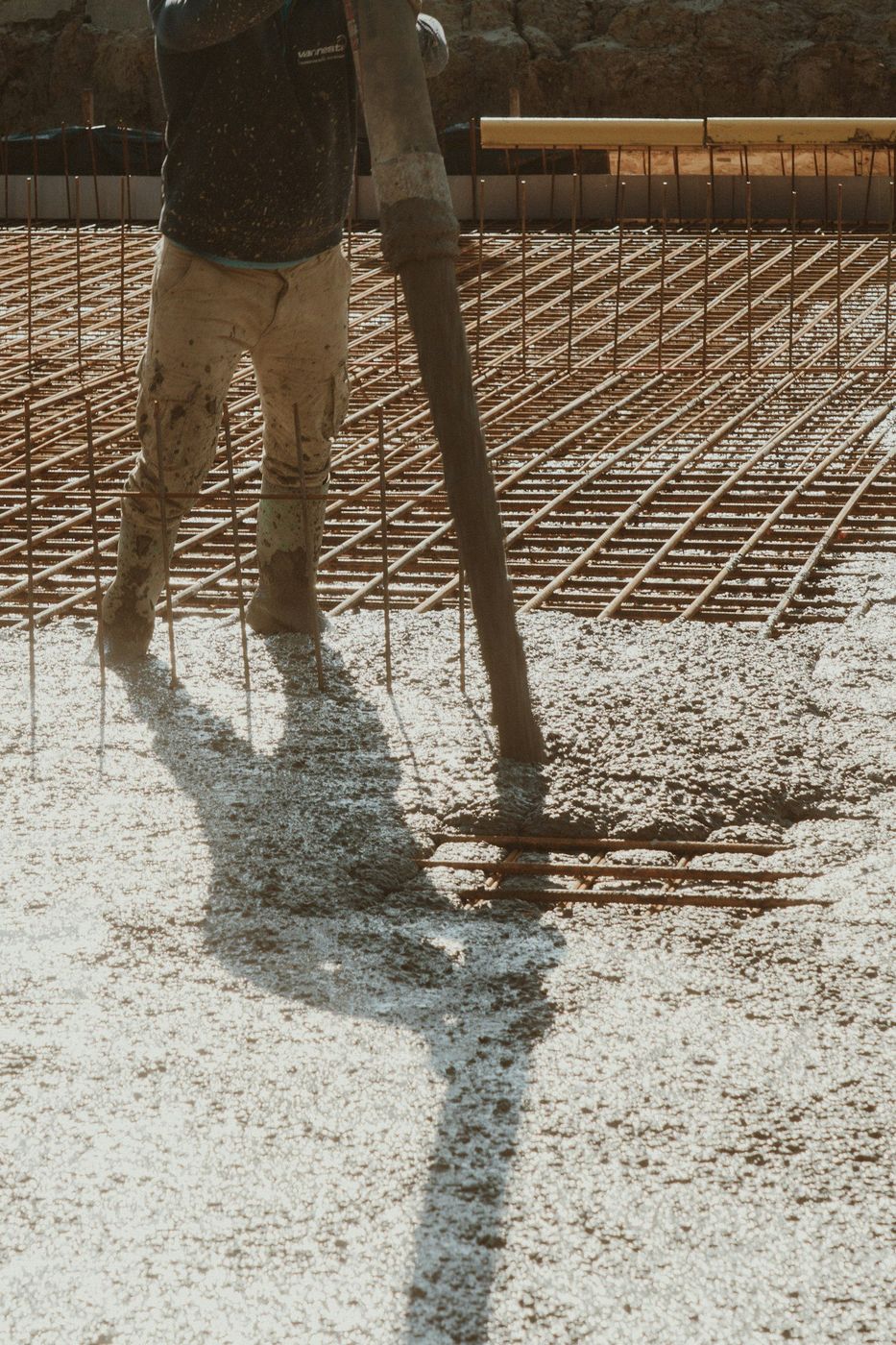
The right answer more often than homeowners expect, and the wrong one more often than builders admit.
Slab-on-grade is cheap in the good way when the lot cooperates and expensive in the bad way when it doesn't. What decides that is almost never the building sitting on it. It's the dirt underneath and the way the ground falls. Two identical shops, two blocks apart, can want two different foundation systems.
We pour slabs on grade all over Lone Tree: garages, shops, additions, detached studios, sunroom floors, and small commercial buildings. Before we quote one we want three answers. What is the soil doing when it gets wet, where does water travel on this property, and what has to run underneath the concrete before it goes down.
For a detached structure with no plumbing to chase and nothing to store, a slab wins on cost, on schedule, and on the fact that there's no cold cavity underneath to insulate or ventilate. Garages, shops, studios, and small commercial buildings almost always belong on one. Most of the backyard shops and studios we pour end up in the deeper lots around Fairways, Montecito, and Carriage Club, where there's room behind the house for a real building.
An addition is where it gets interesting. Tying a slab onto a house with a full basement means two structures that respond to soil differently, connected at a wall you'll see the seam of eventually. Sometimes that's fine with the right footing depth and a proper joint. Sometimes matching the existing foundation is the smarter money, even though the estimate looks worse, and we'd rather say so at the kitchen table than have you find out at the drywall seam.
| Option | Where it makes sense | What you give up |
|---|---|---|
| Slab-on-grade | Detached buildings, garages, shops, level ground | Access to anything you buried in it |
| Crawl space on stem walls | Sloped lots, plumbing you may want to reach again | Cost, plus a space that needs moisture management forever |
| Full basement | Adding real square footage on a lot with the grade for it | The largest excavation and the longest schedule |
| Monolithic thickened edge slab | Small outbuildings and light structures on decent soil | Limited depth, so frost has to be respected another way |
| Slab with separate footings | Heavier walls, taller structures, poor soil | Two pours instead of one |
A monolithic slab pours the floor and its own perimeter beam in one shot. Fast, efficient, and perfectly adequate under a shed or a light outbuilding on ground that behaves. But that thickened edge only reaches so deep, and on a lot where frost and swelling clay both have opinions, a shallow perimeter is an invitation.
So on anything carrying real wall load, or anything sitting on soil the report flags, we separate the two. Footings go down to bearing depth first, walls come up, then the floor gets poured inside them as its own element. It costs a second mobilization and it buys a building whose walls don't ride on a four inch edge. Under interior bearing walls we thicken the slab regardless, because point loads concentrate fast and a slab is a thin thing to concentrate them on.
Send us the site and the plans. Our engineer will tell you which system the ground is asking for, and the estimate is free either way.
Late spring through October is the good stretch, with early fall being the quiet favorite: cool nights, low chance of an afternoon downpour landing in the middle of finishing, and concrete that gains strength without racing. Summer pours start at daybreak, because heat pulls water out of a surface faster than a crew can work it. Winter pours happen too: heated water, accelerators, blankets, and a hard rule about never placing on frozen ground.
The first winter matters more than most people are told. Keep deicing salt off it, magnesium chloride especially, and that includes the slush your vehicle carries in and drops on a garage floor. Sweep or rinse it. New concrete hasn't finished tightening up its surface, and chloride sitting on it while it freezes and thaws is how a good pour ends up looking pitted by March.
Still unsure about something?
Call the crew at (303) 569-4046 and we will talk it through.
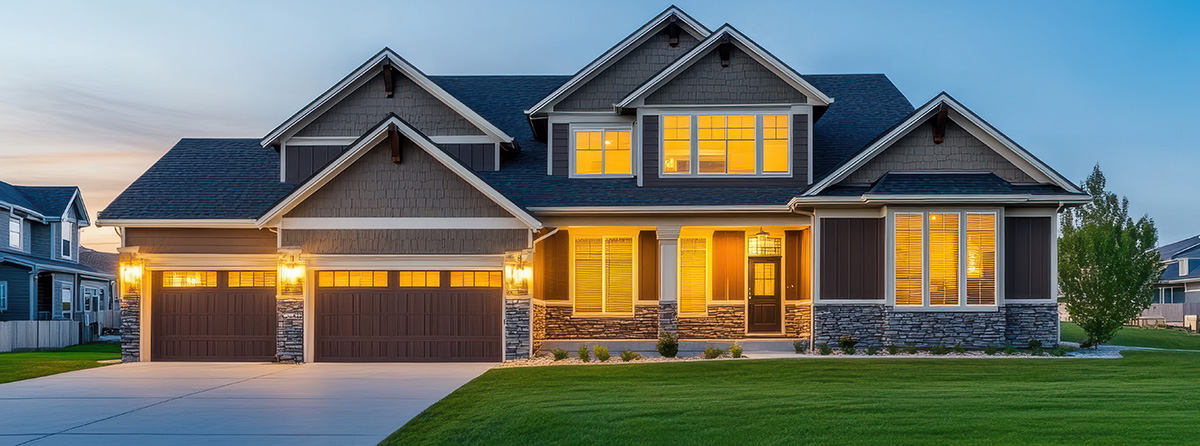
Get a free, no-obligation estimate from a crew that knows Colorado soil, Colorado weather, and how to finish concrete that lasts.
Accessibility
Adjust the site to fit how you read and browse. Your choices are saved on this device.