
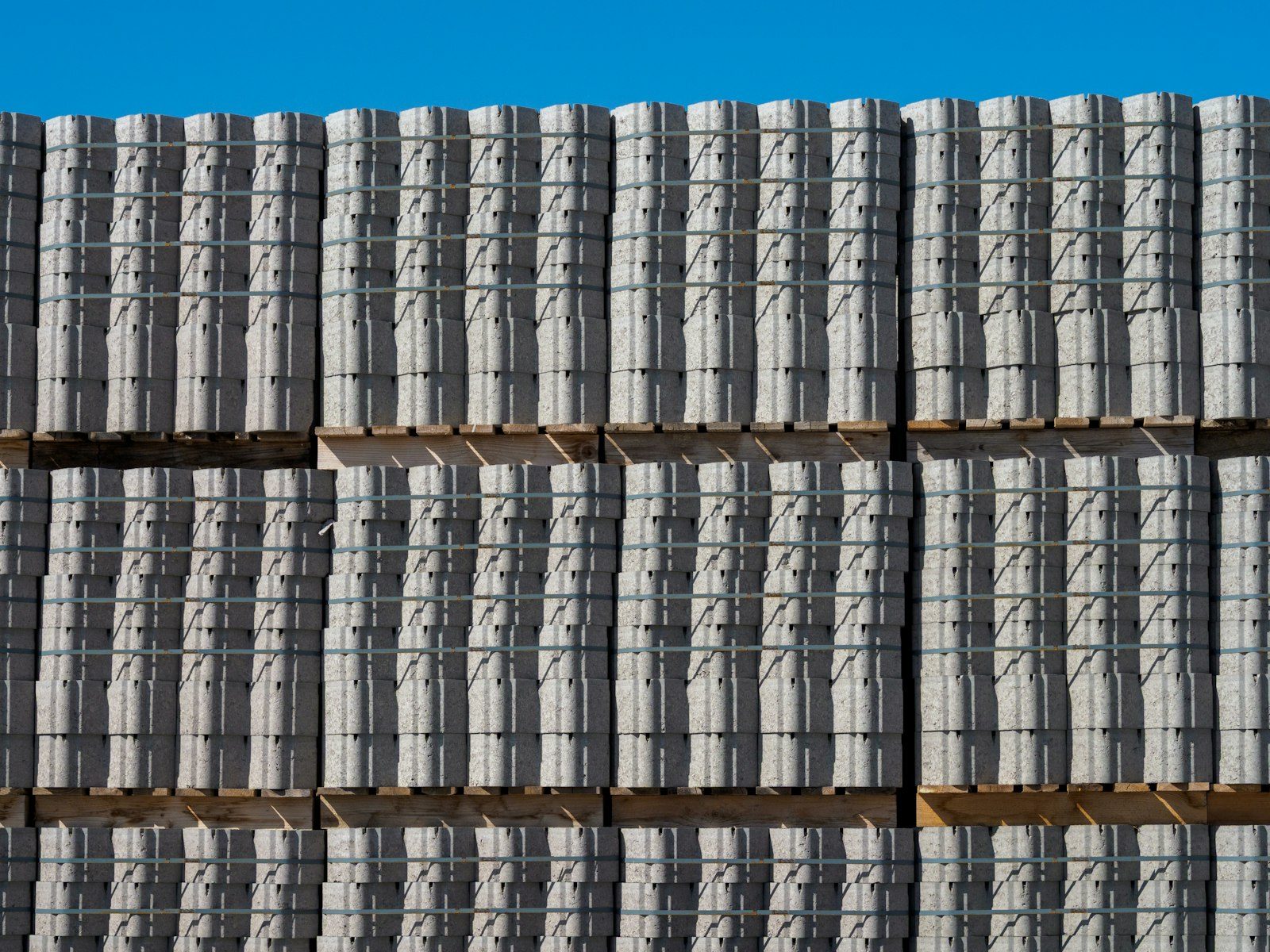
Two bids, same wall, wildly different numbers. Usually nobody is padding. One of them just included the parts that keep it standing.
Same length, same height, quotes a long way apart. It happens constantly on wall work, and the homeowner is left assuming somebody is padding the number. Usually nobody is. One bid is for a wall. The other is for a wall plus everything behind it that keeps a wall from leaning, and those two products cost very different money.
So here's where the budget actually goes on a Lone Tree retaining wall, roughly in order of impact, and which line items you'd regret trimming. No dollar figures, because a two foot garden edge and a seven foot cut behind a walkout are not the same species. The drivers, though, are the same all over Douglas County.
Doubling a wall's height does not double the cost. It does something worse, because the pressure pushing on it grows faster than the wall does. A short wall holds a modest wedge of soil. A tall one holds a much bigger wedge, and that load has to be answered with a wider footing, more steel, a thicker stem, or a system that leans back into the hill.
Past a certain height a wall stops being landscaping and becomes a structure that needs an engineer's stamp and a permit. That's not a formality anybody invented to slow you down. It's the line where a failure stops being embarrassing and starts being dangerous. Our engineer works on staff, so when your project crosses that line the design happens in house and the schedule doesn't stall waiting on an outside consultant.
| Driver | Why it costs | What you get back |
|---|---|---|
| Retained height | Drives footing width, steel, and stem thickness | A wall that stops leaning in year five |
| Drainage system | Rock, fabric, perforated pipe, weep holes, an outlet | Removal of the load that fails most walls |
| Excavation and access | Machine reach, haul distance, hand work behind gates | Less damage to the yard you already paid for |
| Soil being retained | Clay pushes harder and drains worse than granular fill | A design matched to the dirt instead of a catalog |
| Surcharge above the wall | A driveway, pool, or structure up top changes the math | Confidence that the wall carries what's near it |
| Finish and facing | Form liner, veneer, color, cap detail | The only part of the budget anyone will see |
We'll tell you whether it can be saved or whether you're spending good money on a lost cause. Site visit and estimate are free.
Almost every failed wall we tear out died the same way. Water collected behind it, the soil back there got heavy and pushed, and nothing gave that water a route out. The wall didn't lose an argument with dirt. It lost one with hydrostatic pressure, and pressure like that will win against concrete every time you let it build.
The counter is unglamorous. Free draining rock against the back face, filter fabric so fines don't clog it, perforated pipe at the bottom running somewhere useful, and weep holes through the face for whatever the pipe misses. It buries value in a place no guest will ever admire. Cut it out of the bid and the wall looks identical on day one and starts telling on itself after the second wet spring. That's why we won't quote a wall without it.
The sloped custom lots in Heritage Hills and Carriage Club generate the tall structural work: terracing a side yard, cutting a flat pad for a pool or a sport court, holding a grade change behind a walkout basement. Fairways and Montecito bring mid height walls carved out of established landscaping, which means hand work and careful access. Newer construction around RidgeGate sends us walls the original builder sized for looks instead of load.
Building season for walls runs spring through late fall. We want workable soil for excavation and compaction, and we want the backfill placed and settled before frost. Winter installs are possible on small work, but trenching frozen ground is expensive and compacting frozen soil is pointless. If your wall can wait for April, let it, and spend the winter on design and permits.
The walls we replace almost never broke in the concrete. They broke because somebody saved a few hundred dollars on rock and pipe, and then water spent five winters collecting the debt.
From the crew lead on these jobs
Still unsure about something?
Call the crew at (303) 569-4046 and we will talk it through.
Get a free, no-obligation estimate from a crew that knows Colorado soil, Colorado weather, and how to finish concrete that lasts.
Accessibility
Adjust the site to fit how you read and browse. Your choices are saved on this device.