
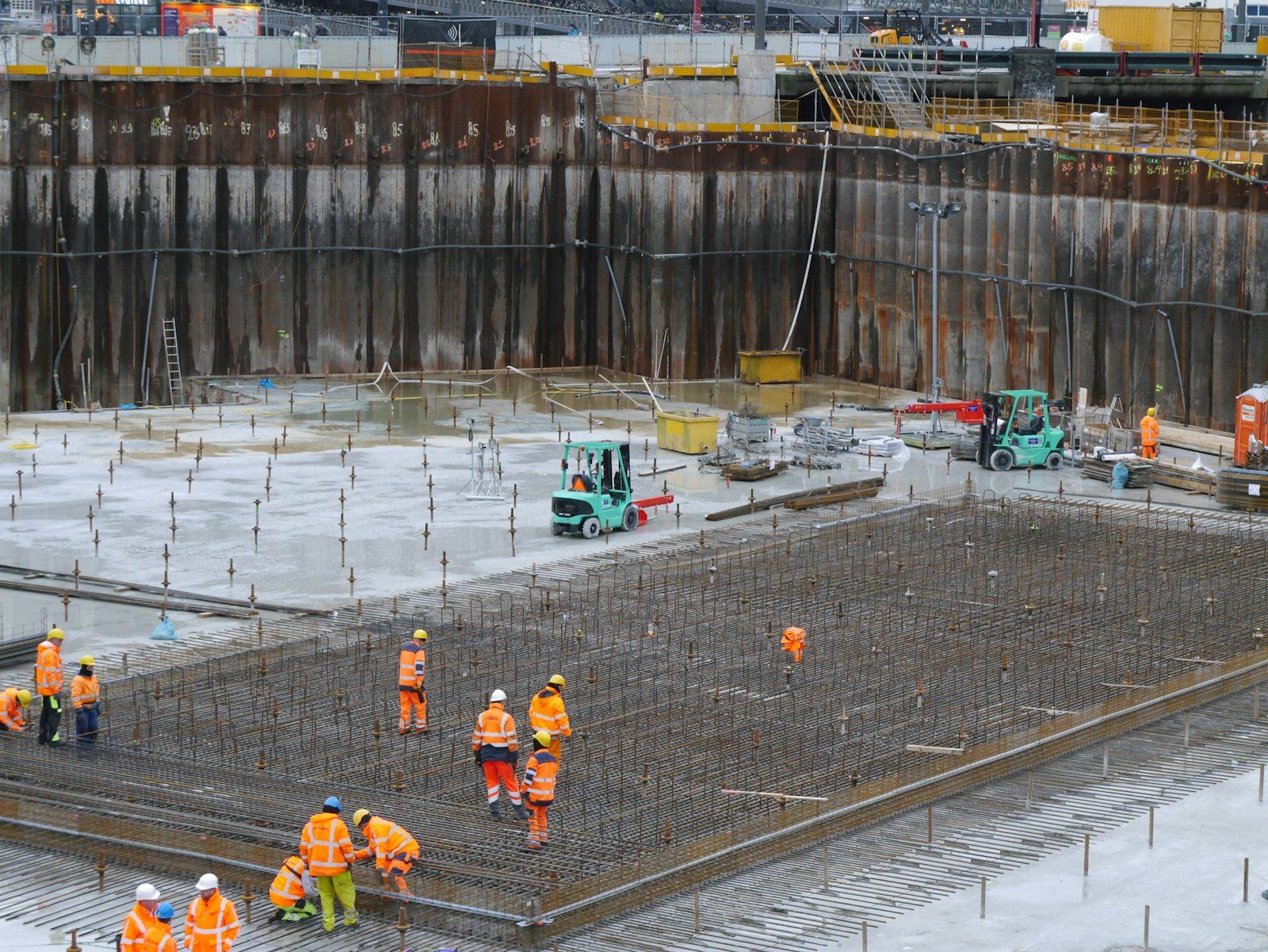
A ramp passes or fails in the two hours before the chute swings, not after.
A ramp pour is a short day with no slack in it. Concrete shows up at a fixed hour. The slope has to land inside a tolerance measured in fractions of an inch per foot. Detectable warning panels have to be set flush and square while the surface is still workable. Nothing about a ramp gets corrected later with a grinder, so every part of whether it passes is settled before the truck backs in.
We rebuild curb ramps and building-entrance ramps for commercial properties, medical offices, churches, and community associations around Lone Tree. The calls usually follow an accessibility survey, an insurance inspection, or a tenant who could not get through the door. The work is the same either way. Take out the concrete that does not measure, correct the ground it was sitting on, and place a ramp that reads right the first time a rod goes on it.
Day one is layout and demo. We measure the existing ramp, the landing above it, the gutter it runs into, and the walk on both sides, because a ramp that reads perfectly on its own still fails somebody in a chair if the approach pitches the wrong way. Then we saw a straight line, break the old concrete out, and haul it off.
Once it is gone we finally get to see the dirt, which is the part nobody puts in the budget and every ramp depends on. Ramps live at the low corner of a site by definition. Runoff goes there, so the base under them is the softest base on the property. Proof-roll it. If it moves, dig it out and replace it with structural fill. Then base in lifts, compacted, checked.
Forms come next and the ramp is really won right here. We set running slope, cross slope, both flares, and the landing, then verify each one with a level and a rod before anyone calls the batch plant. Newer entrances along the RidgeGate corridor usually need nothing more than the ramp itself rebuilt. Older amenity and clubhouse entries serving Fairways and the neighborhoods around it often need the landing and the first stretch of walk taken out with it, because the failure was never in the ramp.
| Stage | What the crew is doing | What has to be true to keep going |
|---|---|---|
| Early morning | Final form check, steel tied, warning panels dry-fit in place | Every slope reads correct on the rod and the panel footprint is blocked out |
| Truck arrives | Concrete discharged and screeded down to the form grades | Ticket matches the spec, air content tested, nobody adding water at the chute |
| First float | Bull float across, edges cut, slopes read again on wet concrete | Cross slope still under the ceiling now that the surface is closed |
| Panels set | Detectable warnings pressed and tamped to full contact | Panel sits flush, squares to the direction of travel, set back the right distance |
| Finishing | Broom texture pulled, edges tooled, joints cut on schedule | Texture runs across the path of travel and no water stands on the landing |
| Cure and protect | Curing compound or blankets down, barricades reset, route posted | Detour signed, tape up, and nothing walks across it overnight |
Send us the report and a few photos of the entrance. We will mark what has to come out and what can stay, free, before anybody talks about scope.
Rain is worse on a ramp than on almost anything else we pour. A flat walk can be re-floated and re-broomed if a shower passes. A ramp cannot, because the warning panels are already bedded and the slope is already set, so working the surface again risks both. That is why we place ramps early in the day through July and August, keep plastic and a canopy on the truck, and will move the whole pour rather than watch a cell build over the foothills with an open surface on the ground.
Prime season here runs late April into October. September and early October are ideal, with slower set times letting the crew get the panels and the texture right without racing the concrete. Winter ramp work is common for us anyway, because accessibility deadlines do not pause for the weather. Heated mix water, non-chloride accelerator, blankets, and a placement window between fronts. Frozen subgrade is the one condition we stop for.
Access is the other half of the job. Every building needs at least one accessible entrance available while the work goes on, so we rebuild ramps one at a time, post the temporary route, and coordinate with property management before the first saw cut.
Still unsure about something?
Call the crew at (303) 569-4046 and we will talk it through.
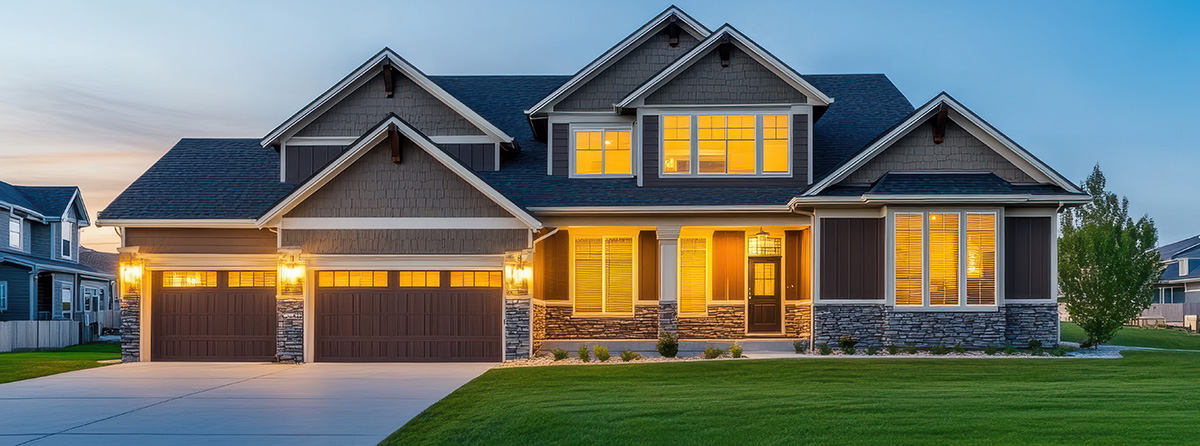
Get a free, no-obligation estimate from a crew that knows Colorado soil, Colorado weather, and how to finish concrete that lasts.
Accessibility
Adjust the site to fit how you read and browse. Your choices are saved on this device.