
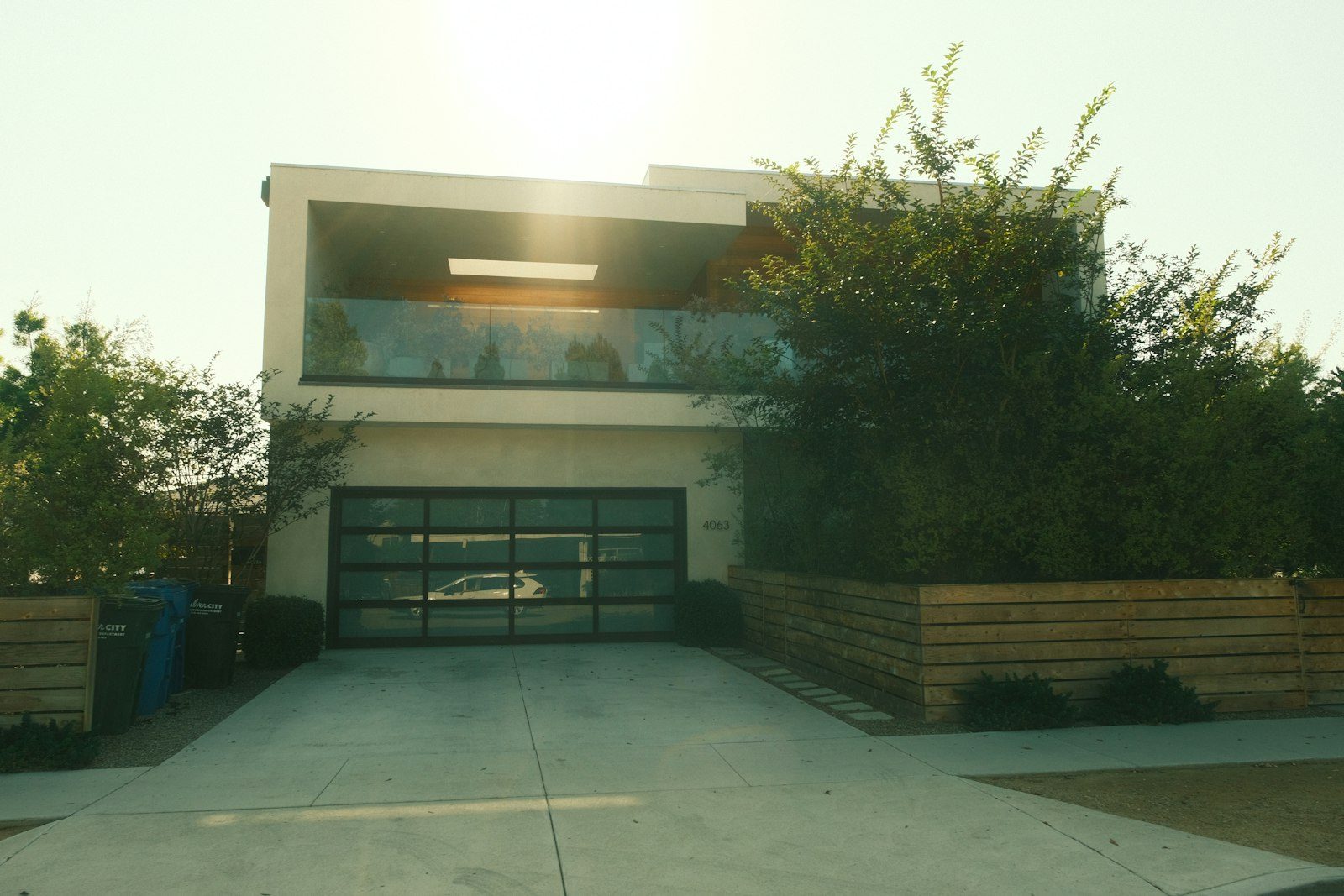
When patching stops making sense, we tear it out, rebuild the base, and pour it right.
You can diagnose a lot of driveways from the sidewalk. Edges crumbling off in chunks. A crack wide enough to grow its own weeds. One panel sitting an inch lower than its neighbor, catching the toe of everyone who walks up. A dark stain where water sits after every storm because the slab quit draining years ago. If your driveway shows two or three of those, it's past the patch-and-pray stage, and you already suspected that before you found this page.
Replacement sounds like a big deal. In practice it's a short, noisy, well-organized week. We're licensed, bonded, and insured, we handle the demolition and the haul-off ourselves, and we treat the tear-out as a chance to fix the reasons the first slab died. Because if the new concrete goes down on the same failed base, you're just renting time.
Each symptom points somewhere. Crumbling edges usually mean the slab was poured thin at the borders or the ground beside it eroded away. Wide, offset cracks mean the base moved and took the concrete with it; that's Littleton clay doing what clay does at 5,351 feet, freezing and thawing its way through every winter. A sunken panel says water found a path underneath and carried the fill out with it. And a slab pitched toward the garage isn't a concrete problem at all. It's a drainage problem wearing a concrete costume, and it gets fixed with a regrade, not a patch.
Surface flaking and pitting tell a different story: deicer damage or a weak finish, cosmetic if it's shallow. But when the symptoms stack up, patching one panel at a time turns into a subscription. A rebuild resets the clock.
| Visible from the curb | What's going on below | Patch or replace |
|---|---|---|
| Tight hairline cracks only | Normal shrinkage; every slab does this | Neither. Seal and forget it. |
| Edges breaking off in pieces | Thin edges or eroded support at the borders | Patchable if isolated; replace if it circles the slab |
| Cracks with vertical offset | Base movement; one side dropped or heaved | Replace. The ground failed, not just the concrete. |
| Panels sunk below the apron | Washout or settling under that section | Lifting can work; widespread sinking means rebuild |
| Water running toward the house | The slab lost its pitch or never had one | Replace with a proper regrade |
We'll tell you honestly whether it's worth patching or ready for tear-out, before anyone schedules a visit.
Day one is demolition. We break the old slab, load it out, and send it off for recycling when the material allows. A standard two-car drive is usually gone by that afternoon. Then comes the part that matters most and photographs worst: excavation and regrade. We cut to depth, correct the slope so water leaves the property instead of touring it, and compact fresh road base in lifts. If we find the reason your old drive failed, and we almost always do, this is where it gets fixed.
Forms and steel go next. Then pour day: 4,000 PSI air-entrained concrete, screeded, finished, and jointed before the crew leaves. Weather cooperating, you're looking at three to four working days from first jackhammer to finished surface. Then the concrete does its part while you stay off it.
The replacement calls cluster in the established neighborhoods. Columbine and Southbridge have driveways that predate modern base standards, and around the historic downtown blocks we've pulled out concrete old enough to vote several times over. Ken Caryl adds slope and rocky ground to the mix, which makes the regrade step the whole ballgame out there. Newer areas like Highland Walk, plus The Hills at Piney Creek, send fewer full replacements our way and more upgrades: builder drives that were poured to minimum spec and started showing it early.
If you're in an HOA, check your covenants before changing the driveway's footprint or finish. Like-for-like replacement rarely raises an eyebrow, but widening sometimes needs a signature first.
The prime replacement season runs mid-spring through October, and fall might be the smartest time of all: the slab cures in mild weather and goes into its first winter at full strength. Summer works fine too, though July afternoons over the foothills produce storms on a timer, so we pour mornings and keep plastic sheeting on the truck. Rain that hits during finishing weakens the top layer, and we'd rather postpone a pour than hand you a surface that dusts.
Winter replacements happen more than people think. Heated water in the mix, non-chloride accelerators, insulated blankets over the fresh slab, and a hard rule against pouring over frozen ground. If your driveway gives up in January, we can usually stabilize the situation and either pour in a warm window or lock you in early on the spring calendar.
The best part of a tear-out is the ten minutes after the old slab comes up. The ground tells you the whole story. Washed-out base on the low side, no gravel in the middle, roots on the edge. You fix what you can see. That's why replacements outlast repairs.Our crew lead, after the walkthrough
Still unsure about something?
Call the crew at (303) 569-4046 and we will talk it through.

Get a free, no-obligation estimate from a crew that knows Colorado soil, Colorado weather, and how to finish concrete that lasts.
Accessibility
Adjust the site to fit how you read and browse. Your choices are saved on this device.