
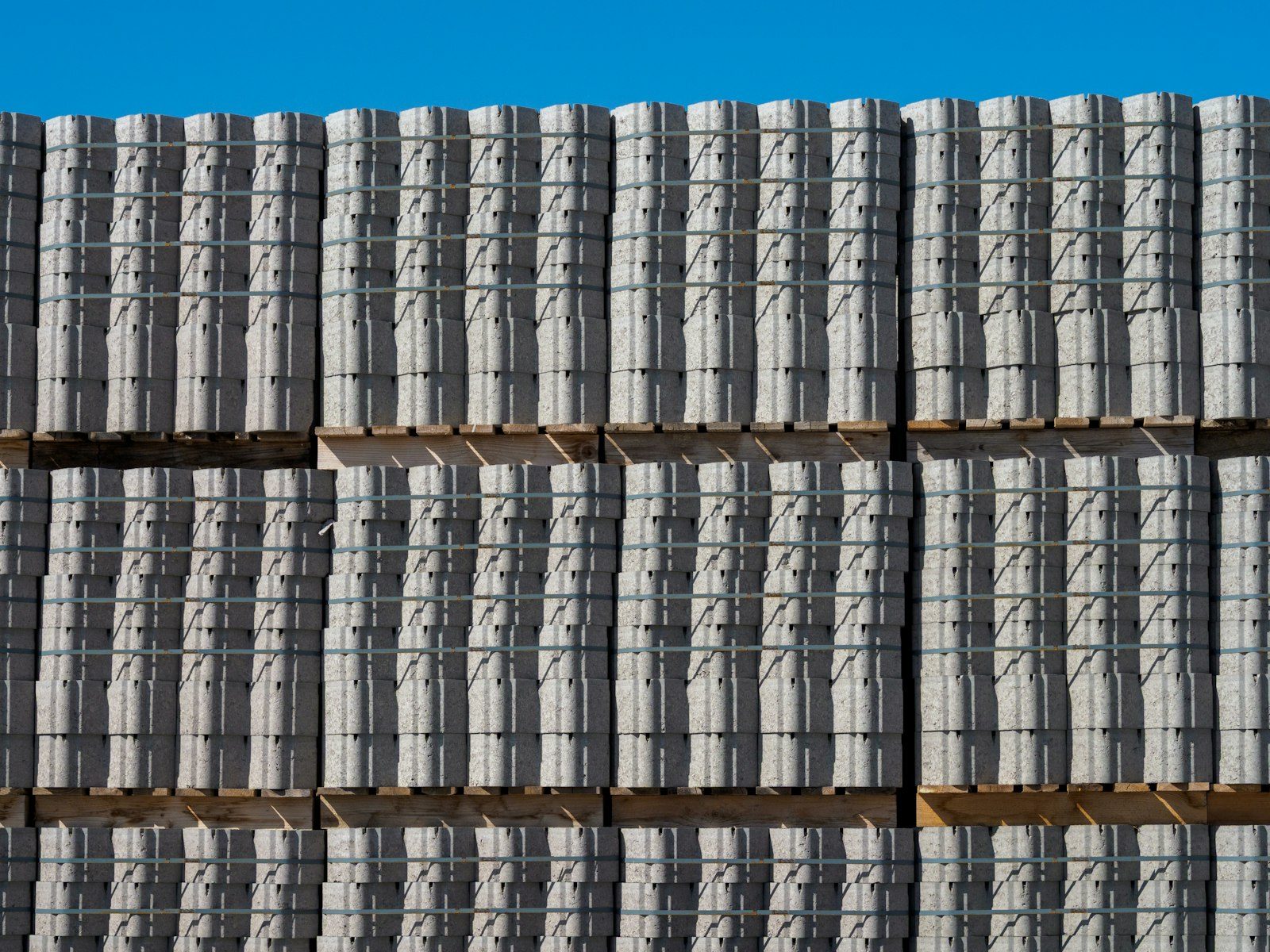
Footings under the masonry, sleeves for gas and power, and a slab that survives the night the temperature drops forty degrees.
Late September is the whole argument for building one of these. The aspens have turned, the air goes cold the second the sun drops behind the ridge, and the grill and a couple of heaters are the reason anybody is still outside at nine at night. That's the season an outdoor kitchen earns its keep at 6,720 feet. It's also the season that punishes one built carelessly.
Because two weeks after that perfect evening comes the first hard freeze, and everything you buried under the counter gets tested at once. Water sitting in an uninsulated supply line. A masonry island founded above frost depth. A slab pitched toward the house instead of away from it. We build the concrete underneath so none of that is your problem in November.
An outdoor kitchen isn't a patio with a grill on it. A block-and-veneer counter run puts a heavy, narrow, continuous load along one line, and if that line sits on a four-inch slab, the slab cracks under it. So we build a footing beneath the masonry, set below frost depth, tied to the pad around it or poured monolithically with a thickened edge under the wall.
Frost is what people underestimate up here. This isn't the metro. Ground on the shaded north side of a Sage Port lot holds cold for a long stretch, and a footing that stops short of frost depth will lift a corner of your island some winter and set it back down slightly wrong. Once masonry moves it cracks at the joints, the veneer telegraphs it, and no cheap fix exists.
The countertop is a separate call. Cast concrete tops, or stone set on a substrate; either way we detail the base to give the counter a level, square bearing surface with appliance cutouts exactly where the manufacturer wants them.
| Season | What it does out there | What we build in to handle it |
|---|---|---|
| Spring thaw | Snowmelt runs off the roof and the slope right past the island | Slab pitched away from structures, plus a drainage path that isn't the patio |
| Summer storms | Hard afternoon rain, hail, and standing water against the base of the masonry | Air-entrained mix, sealed joints, and veneer held up off the finish surface |
| Autumn | The heavy-use months, with big daily temperature swings | Control joints placed so movement happens in the cut, not through the counter |
| First freeze | Water in supply lines and low spots turns to ice overnight | Sleeved lines with a drain-down point and a slope that leaves no puddles |
| Deep winter | Snow load, roof shed, and a slab that stays frozen for weeks | Footings below frost depth so nothing under the masonry moves |
| Shoulder days | Freeze at dawn, thaw by noon, over and over | Sealed surface and no deicing chemicals, which is the only real maintenance rule |
Send us the layout and your appliance list. We'll price the concrete and tell you what has to happen before the mason shows up.
Work backward from when you want to cook on it. Concrete first, masonry next, then counters, then utilities finished and tested. That's several trades in a row, and every one of them wants decent weather. A May or June pour gives the chain room to finish before you actually want the space, which is why we push people to book concrete earlier than feels necessary.
High-summer pours are routine. We start early and keep protection on hand for the storm cells that build over the foothills most July and August afternoons. Rain reaching a slab mid-finish drives water into the top layer and turns up months later as a surface that dusts and flakes. So we cover, or we stop.
Fall works when the calendar cooperates, though at this elevation the window shuts earlier than homeowners expect. Heated water, non-chloride accelerator, and blankets get us into the cold, but frozen subgrade ends it. A base poured in November also means your mason works in December. Past mid-October, design over the winter and pour in spring.
The failure we get called about isn't the concrete, it's the plumbing somebody ran under it without a way to drain. First real cold snap, the line splits, and now the fix is under a stone island. We put the drain-down in on day one and label it. Takes ten minutes and saves a demolition.What the crew sees on site
Still unsure about something?
Call the crew at (303) 569-4046 and we will talk it through.
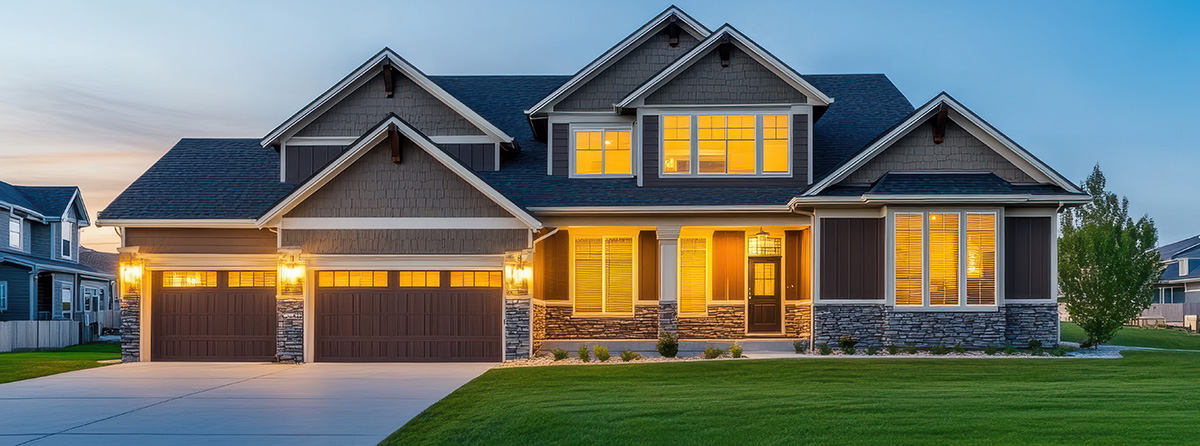
Get a free, no-obligation estimate from a crew that knows Colorado soil, Colorado weather, and how to finish concrete that lasts.
Accessibility
Adjust the site to fit how you read and browse. Your choices are saved on this device.