
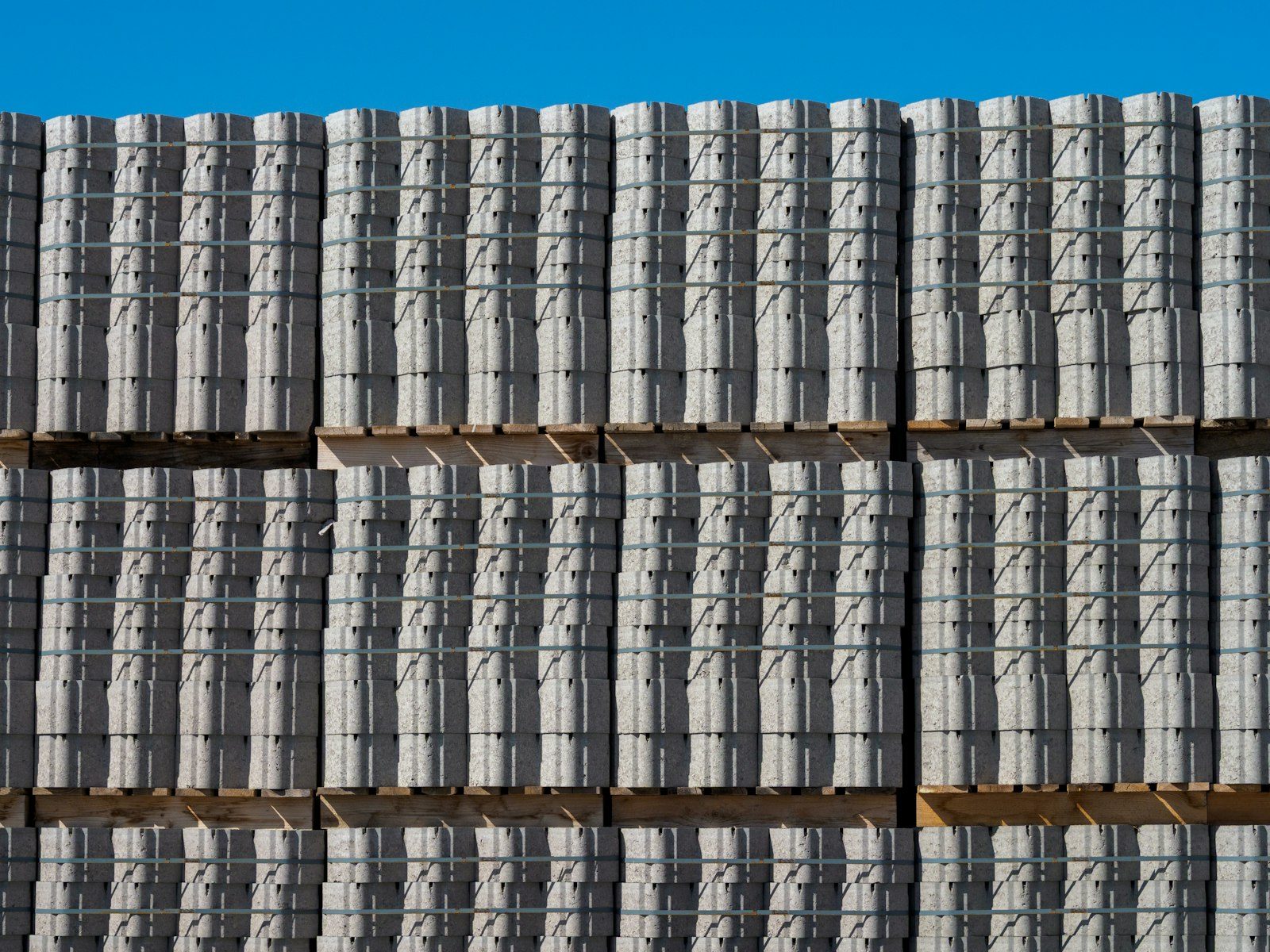
Tear-out gets priced by weight and by how hard the material is to reach, not by the square feet on your tape measure.
Two driveways can measure the same and price out completely differently. One is four inches of plain concrete with a truck able to back within ten feet of it. The other is six inches with a mat of rebar in it, poured over an older slab somebody never removed, sitting behind a gate on the uphill side of the house. Same square footage. Nothing else about those two jobs is the same.
That's the part worth understanding before you compare quotes on removal. What you're buying is tonnage moved and distance moved, plus whatever the property makes us do to get at it. When a number comes in higher than you expected, there's almost always a specific physical reason sitting in the driveway, and we would rather point at it than leave you guessing.
Thickness comes first, because it's the multiplier on everything else. A six-inch slab is half again the weight of a four-inch one, and weight is the whole game on the disposal side. Reinforcement is second. Rebar keeps every broken piece attached to its neighbors until somebody cuts it, and welded wire mesh is worse, because it rolls up and grabs everything.
Then access. A machine that can reach the slab does in an hour what hand work does in a day. Then what surrounds the concrete: a fence that has to come apart, a gas meter to protect, a mature tree whose roots we are not going to shred. Then what's under it, since a slab poured over an older slab is two tear-outs stacked. And last, what you want the site to look like when we drive away. Broken to grade and gone is one price. Excavated below grade, compacted, and ready for forms is another, and it's the right one if new concrete is coming.
| What comes out | Where it goes | What it does to the day |
|---|---|---|
| Clean gray concrete | Crushing yard, where it becomes recycled base product | Best case. Fast loading, lightest handling fee, nothing sorted on site |
| Concrete with rebar or mesh | Same yard, with the steel pulled and sold separately | Slower loading. Mesh especially, because it has to be cut free piece by piece |
| Slab with asphalt patches or an asphalt layer | Split between two streams, since crushers want them apart | We sort as we break, which adds handling but keeps the clean load clean |
| Brick, tile, or stone bonded to the top | Mixed rubble, priced differently than clean concrete | Can't ride in a clean load. Sometimes worth stripping the veneer first |
| Dirt and base mixed into the pile | Fill disposal, with no recycling value | Pure weight with nothing to show for it, so we keep the pile clean on purpose |
We'll walk the slab, check thickness at an edge, look at access, and break the quote into the parts you can change.
Access is the local variable, and it swings hard depending on where you are. Applewood lots come with mature landscaping and irrigation that nobody wants chewed up, so we plate the travel route and sometimes take the long way around a yard to protect a root zone. On the Green Mountain side, slope decides everything. Loading a machine on a grade is slower and the haul route often has to run down the drive rather than across the lawn. Belmar's tighter parcels can mean a street-side operation with cones and a spotter.
Bear Creek and Solterra send different jobs again. Newer construction tends toward thinner decorative flatwork with less steel in it, which breaks easily, though HOA rules on dumpsters and staging are worth checking first. On season: demolition runs all winter and we do plenty of it, because breaking concrete doesn't care about temperature. The dirt does. Frozen subgrade won't excavate or compact, so when a new pour is following we line the two up rather than leaving open ground until April.
Still unsure about something?
Call the crew at (303) 569-4046 and we will talk it through.
Get a free, no-obligation estimate from a crew that knows Colorado soil, Colorado weather, and how to finish concrete that lasts.
Accessibility
Adjust the site to fit how you read and browse. Your choices are saved on this device.