
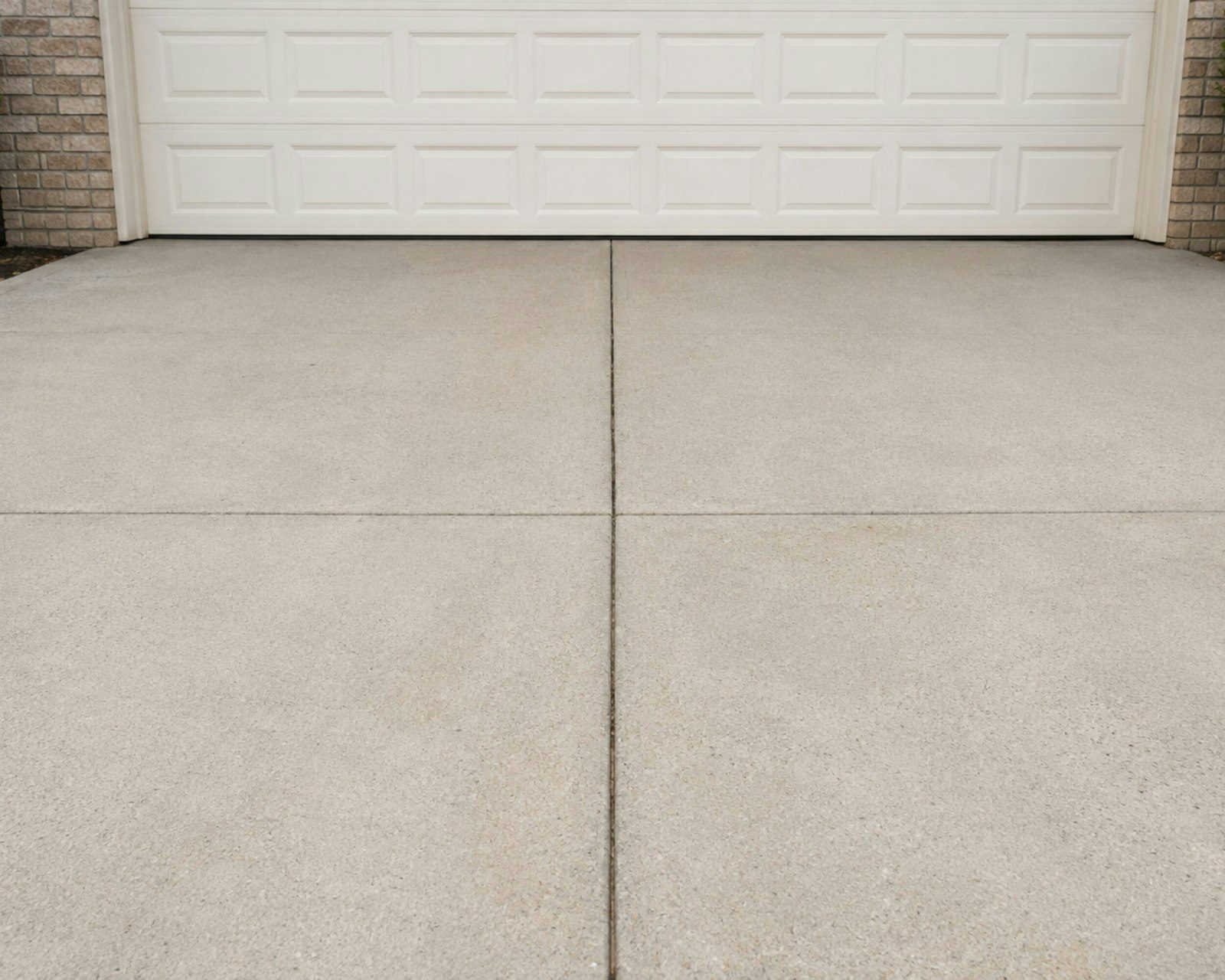
Tear-out, repair, and replacement for driveways that were poured when the Ranch was new.
Drive through Northridge or Westridge and count the driveways with spalled edges, wide cracks, and slabs that tip toward the garage. Most of them went in when the homes did, back in the 80s and 90s, and they've been fighting Colorado weather ever since. They're losing. We replace them with concrete that's built for what Highlands Ranch actually throws at a slab.
We've torn out drives across all four Ranches. The failures repeat. Thin slabs poured straight on clay. No control joints, or joints sawed too late to matter. Mesh that ended up on the dirt instead of in the concrete. Every one of those is a choice the first contractor made to save a day or a dollar, and thirty years later you're the one paying for it.
Start with the soil. This part of Douglas County sits on expansive clay that swells every time it soaks and shrinks every time it dries. Your slab rides on top of that movement year after year. Then add the altitude. At about 5,900 feet the UV is brutal, winter days swing from 15 degrees at sunrise to 55 by lunch, and the surface of an unprotected slab can freeze and thaw dozens of times in a single season.
Hail matters here too. So does the snow-shovel-and-deicer routine every January. A driveway that survives all of it needs three things: an air-entrained exterior mix, a compacted gravel base that drains, and joints cut deep and on schedule. Skip any one and the slab picks the year it fails. Usually a spring.
The four Ranches aged in order, and the driveways show it. Northridge and Westridge hold the oldest housing stock, so that's where we do the most full tear-outs; the original drives are past patching. Eastridge and Southridge fall somewhere in the middle. Plenty of those slabs still have structure, and a targeted repair or a partial replacement can buy real time. BackCountry and The Hearth are newer, and the calls from there are usually about widening a drive, adding a third-car pad, or fixing builder-grade work that cut corners on base prep.
Living under the HRCA? We photograph and document the finished work so your improvement paperwork is easy. It's a five-minute step that saves a headache later.
Send us a photo of the worst section. We'll give you a straight answer before anyone drives out.
| What the driveway shows | What we recommend | Why |
|---|---|---|
| Hairline cracks, surface intact | Seal and monitor | Cosmetic. Concrete cracks; hairlines that stay tight aren't a structural problem. |
| Spalling or scaling on the surface | Resurface or overlay | The damage lives in the top half inch. A bonded overlay restores it without a tear-out. |
| One or two slabs settled, rest is sound | Mudjack or foam-level the low panels | Lifting costs a fraction of replacement and stops the trip hazard the same week. |
| Wide cracks that move, panels heaving | Full replacement | The base has failed. Anything poured or patched on top of it fails with it. |
| Slab tips toward the garage or the house | Full replacement with regrade | Drainage is running the wrong way. That's a foundation problem waiting on a wet spring. |
Late April through October is prime pouring weather along the Front Range, and mid-September might be the sweet spot: warm days, cool nights, and a full cure before the first hard freeze. Spring works fine once overnight lows hold above freezing. Summer pours are routine for us; we start early, watch the afternoon storm build over the foothills, and keep wet-cure protection on the truck.
And yes, winter pours happen. We use heated mix water, non-chloride accelerators, and insulated curing blankets, and we schedule around the fronts. It costs a bit more and the window is tighter, but a January replacement beats parking on a heaved slab until May. What we won't do is pour on frozen ground. If the base is frozen, we wait, because concrete over frost is concrete you'll replace twice.
One more winter rule, and it's the one homeowners break most: no deicers on new concrete for the first winter. Magnesium chloride eats fresh surfaces. Use sand, and keep it shoveled.
| Option | Best for | The catch |
|---|---|---|
| #4 rebar on chairs, 24" grid | Replacement drives on clay, anything vehicles cross daily | Costs more up front. Worth it every time on expansive soil. |
| Welded wire mesh | Light-duty pads and walks on stable ground | Only works if it stays mid-slab. Mesh stepped into the dirt during the pour does nothing. |
| Fiber-reinforced mix | Crack-width control as a supplement | Fibers don't replace steel. Anyone selling fiber alone on a driveway is saving their money, not yours. |
The Northridge tear-outs tell the same story. We pull up the old slab and find two inches of concrete sitting on native clay, no gravel anywhere. It lasted thirty years out of pure luck. The new one gets six inches of compacted base and steel, and it won't need luck.What our crew lead tells homeowners
Still unsure about something?
Call the crew at (303) 569-4046 and we will talk it through.
Get a free, no-obligation estimate from a crew that knows Colorado soil, Colorado weather, and how to finish concrete that lasts.
Accessibility
Adjust the site to fit how you read and browse. Your choices are saved on this device.