
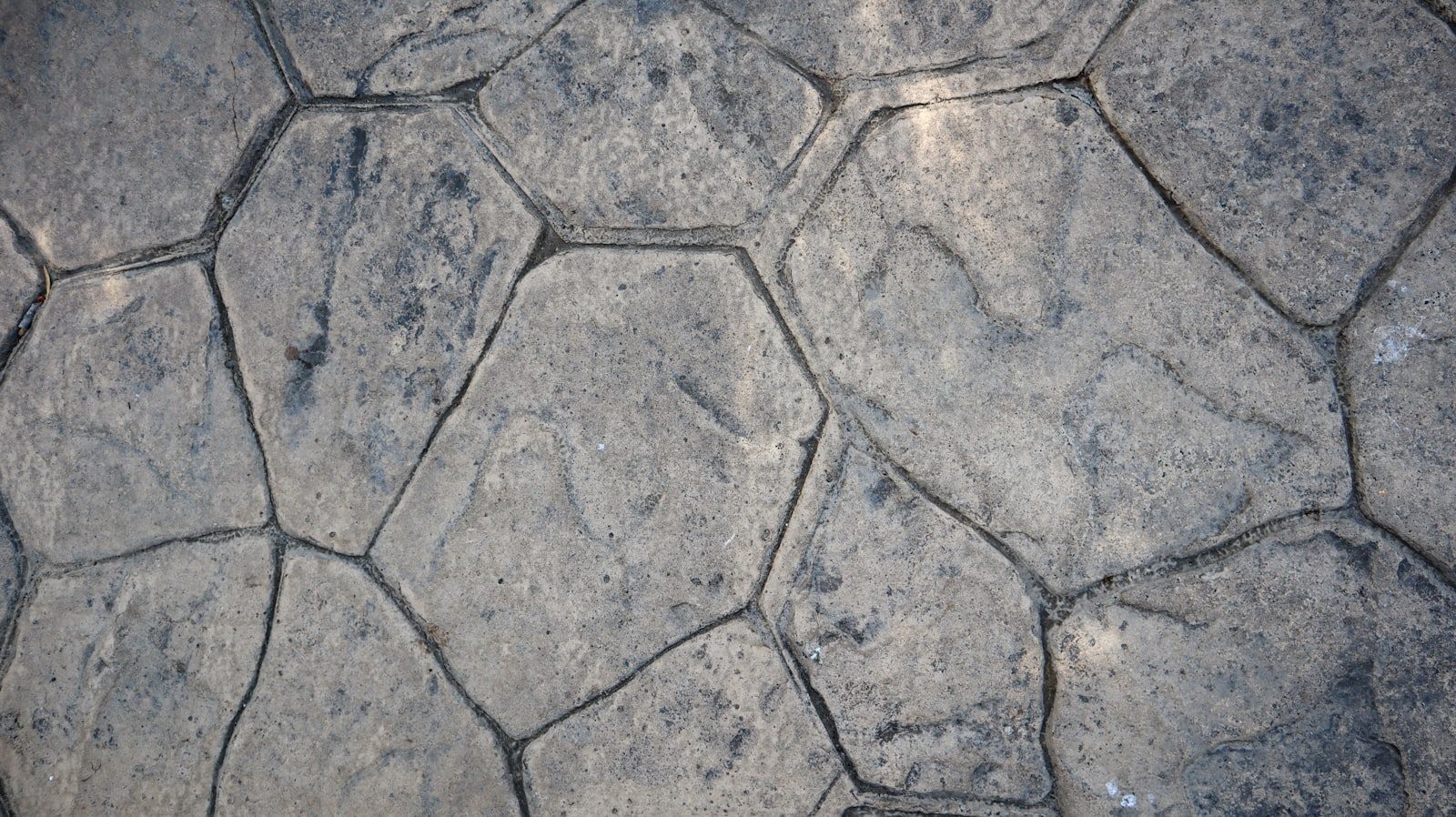
Decorative concrete for neighborhoods that got plain gray the first time around.
Centennial's neighborhoods were largely built out decades ago, and the concrete went in the way builders poured it back then: gray, broomed, and identical from one lot to the next. Walk Southglenn or Walnut Hills today and you can still see it, the same flat ribbon of builder-grade slab running up every drive and across every back porch.
Which is exactly why stamped concrete has become the upgrade of choice here. Most of that original flatwork is near the end of its life anyway. Soil movement has cracked it, winters have chewed the surface, and it's coming out one address at a time. When it does, the replacement can look like slate, flagstone, or hand-laid stone for a fraction of what those materials cost installed. Same crew, same pour day, very different house.
Stamping happens while the concrete is still fresh, so it has to be planned before the truck arrives, not bolted on later. That makes replacement day the golden window. The demo, the base work, the forming, the mix: all of it is already in the budget. The stamp, the color, and the extra finishing labor are the only add-ons. Homeowners in Piney Creek and Homestead who are already replacing a cracked patio or a worn front walk can step up to a decorative finish without paying for the concrete twice.
And you don't have to stamp everything. Some of our favorite Centennial projects mix it up: a broom-finished driveway field wrapped in a stamped border, or a plain walk that arrives at a stamped and stained front landing. Accents read as custom without the full-coverage price tag.
| The question | Stamped concrete | Pavers |
|---|---|---|
| Joints and weeds | One monolithic slab; nothing sprouts between stones that aren't separate | Sand joints invite weeds and ants unless you keep up on polymeric sand |
| Movement on clay | Moves as one piece; control joints manage the cracking | Individual units heave and settle one at a time |
| Winter shoveling | Smooth passes, no lips to catch a shovel blade | Edges snag shovels and snowblower skids |
| Repairs | Harder to patch invisibly if a section gets damaged | Single pavers swap out cleanly |
| Upkeep | Reseal every 2 to 3 years | Re-sand joints, spot-level settled units, seal occasionally |
We bring sample boards and photos of finished work to the estimate. Call (303) 569-4046 and see what your patio could look like.
The honest part first: at 5,833 feet, UV punishes everything, and pigment is no exception. A stamped patio that never gets resealed will soften in color over the years, fastest on sun-blasted south and west exposures. We stack the deck against that three ways. Integral color mixed through the full depth of the pour, so a chip never reveals plain gray. A color hardener worked into the surface for density and a second layer of pigment. And a UV-resistant sealer, refreshed every two or three seasons, doing the same job sunscreen does.
Freeze-thaw is the other opponent. Sealed, air-entrained concrete handles our winter cycles fine. Unsealed stamped work lets meltwater sit in the texture's low spots, where it freezes, expands, and slowly blunts the pattern's crisp edges. The sealer schedule isn't a suggestion here. It's the entire maintenance plan.
Every fall we run a batch of resealing jobs, and you can tell from the truck which patios have been kept up. The sealed ones still look like the day we pulled the stamps. The skipped ones look their age.Our crew lead, after the walkthrough
Still unsure about something?
Call the crew at (303) 569-4046 and we will talk it through.
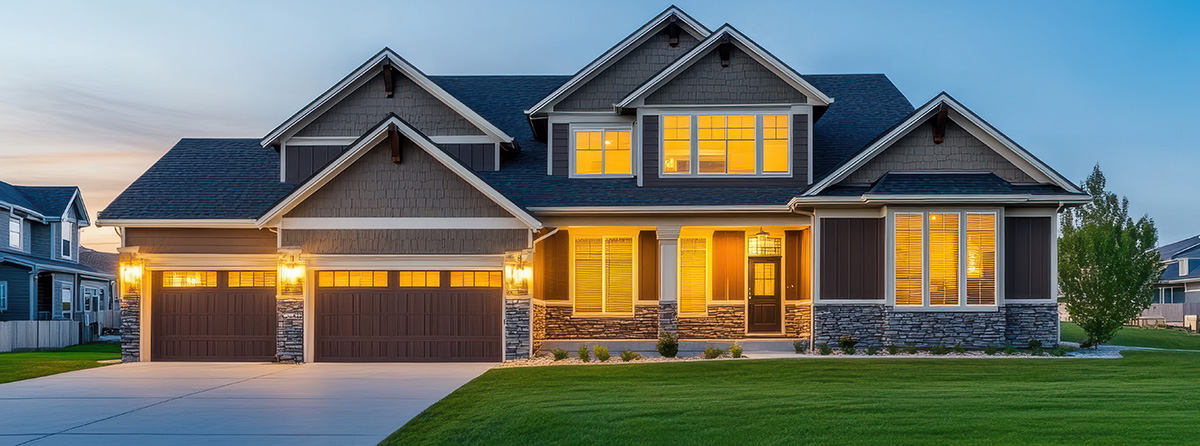
Get a free, no-obligation estimate from a crew that knows Colorado soil, Colorado weather, and how to finish concrete that lasts.
Accessibility
Adjust the site to fit how you read and browse. Your choices are saved on this device.