
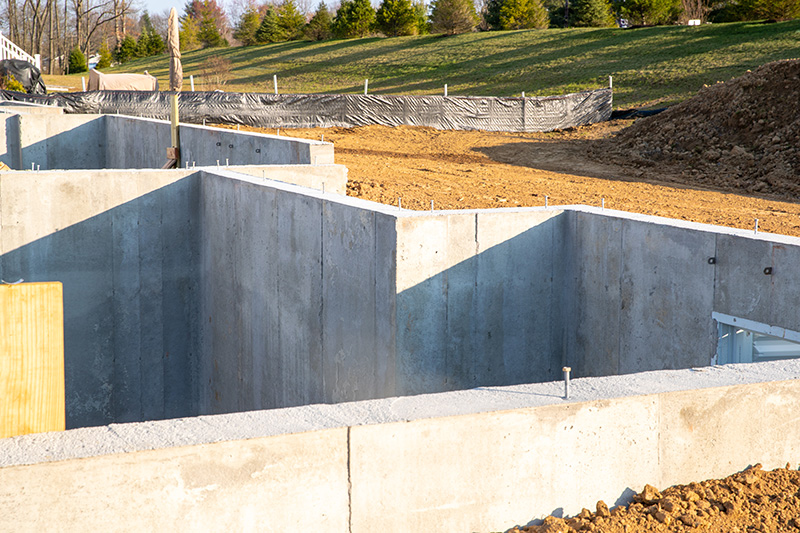
Whether polishing is the right call has less to do with your budget than with the slab already under your feet.
Two houses in Homestead can share a floor plan, a builder, and a birthday, and only one of them has a slab worth polishing. Nobody mentions that when you start pricing basement floors. Polishing isn't a product you buy and lay down over what's there. It's a decision about the concrete you already own, and the concrete gets a vote.
So the useful conversation is narrower than polish against plank against a coating. It's this: does this slab, in this room, used the way you plan to use it, earn eight or ten passes with a grinder? Sometimes the answer is a clear yes and the floor turns out better than anything you could have bought. Sometimes we tell people to put carpet down and spend the money on something else.
A polish is mechanical. Diamond tooling cuts the surface flat, then progressively finer heads work that cut face tighter until light stops scattering and starts coming back at you. Partway through we flood the floor with a densifier, a liquid that reacts with free lime in the concrete and turns the top layer into something far harder than what we started with. The shine at the end is not a coating. Nothing sits on top to peel, chip, or lift along an edge, which is the entire argument for doing floors this way.
Where we stop matters as much as how we start. Ending in the low resin grits leaves a soft satin surface that hides a lot. Running the sequence all the way out gives you a floor that throws reflections across the room, costs more because it is literally more passes, and shows every footprint. Dogs and kids in the house, and people land in the middle on purpose.
Three things get checked before we quote. Hardness, because an over-watered, wet-finished slab polishes to a duller ceiling no matter how far the grits go. Flatness, because grinding follows the floor it finds, and a slab that waves across a room shows bands where the tooling bit hard and places where it barely touched. Then whatever is living on the surface: carpet adhesive, old mastic, framing paint, the ring where a water heater stood for twenty years.
None of that is automatically fatal. Adhesive comes off, it just costs passes. Cracks get routed and filled with a semi-rigid material, and afterward they're still visible, which some people read as honest and others cannot stand. Vapor coming up through a slab poured straight on dirt is the one nobody warns you about, and it's the one case where polishing has an advantage, since there's no film for moisture to push loose.
| The space | The case for it | What usually rules it out | Our call |
|---|---|---|---|
| Finished basement | Nothing to trap dust, no seams, and it pairs well with heat in the slab | Heavy adhesive over a soft slab, or a ceiling too low for the machines | Usually yes. It's most of what we do |
| Garage or home shop | Takes rolling loads, wipes clean, no coating to peel by the door | Oil soaked deep in, or a crack running wall to wall | Yes if it's clean. Skip the high gloss |
| Laundry or mudroom | Small enough to finish in a day, and water is no threat | Edging around cabinets drives the cost per square foot up | Yes, usually bundled with a larger floor |
| Sunroom or enclosed porch | Same upside as any interior floor | Temperature swings, and a door that lets snowmelt in | Case by case, only if the space is truly conditioned |
| Any outdoor slab | None worth listing | Freeze-thaw, plus a polished surface goes slick the moment it's wet | No. We don't put this finish outside |
| Small commercial suite | Low upkeep, and it shrugs off carts | Working around a business that can't close | Yes, phased room by room |
Ten minutes on the concrete usually settles whether it's a candidate. Free estimates, no pressure. Call (303) 569-4046.
People apologize for their basement floor before we've looked at it. Stains, paint, glue: none of that scares us. What changes our answer is a slab that dishes and waves, because grinding is honest about flat.What the crew sees on site
Still unsure about something?
Call the crew at (303) 569-4046 and we will talk it through.
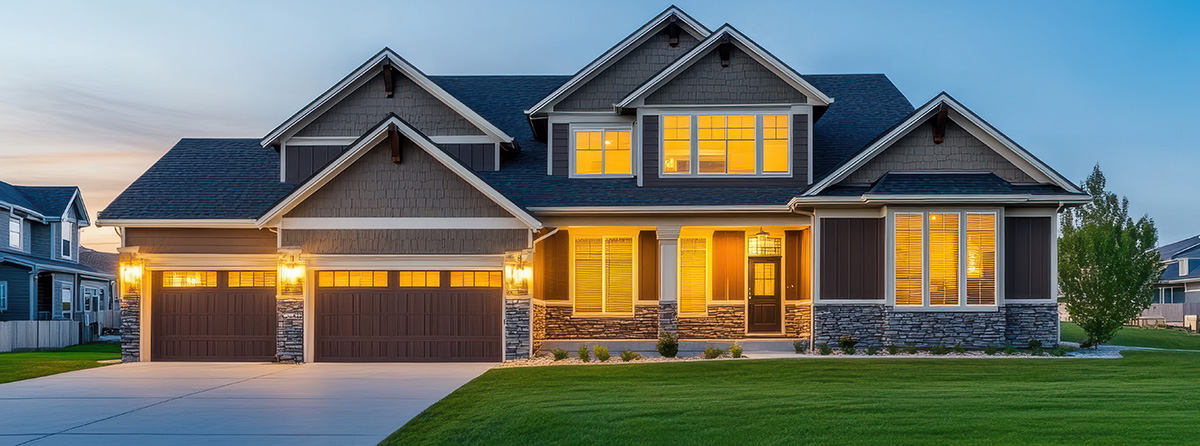
Get a free, no-obligation estimate from a crew that knows Colorado soil, Colorado weather, and how to finish concrete that lasts.
Accessibility
Adjust the site to fit how you read and browse. Your choices are saved on this device.