
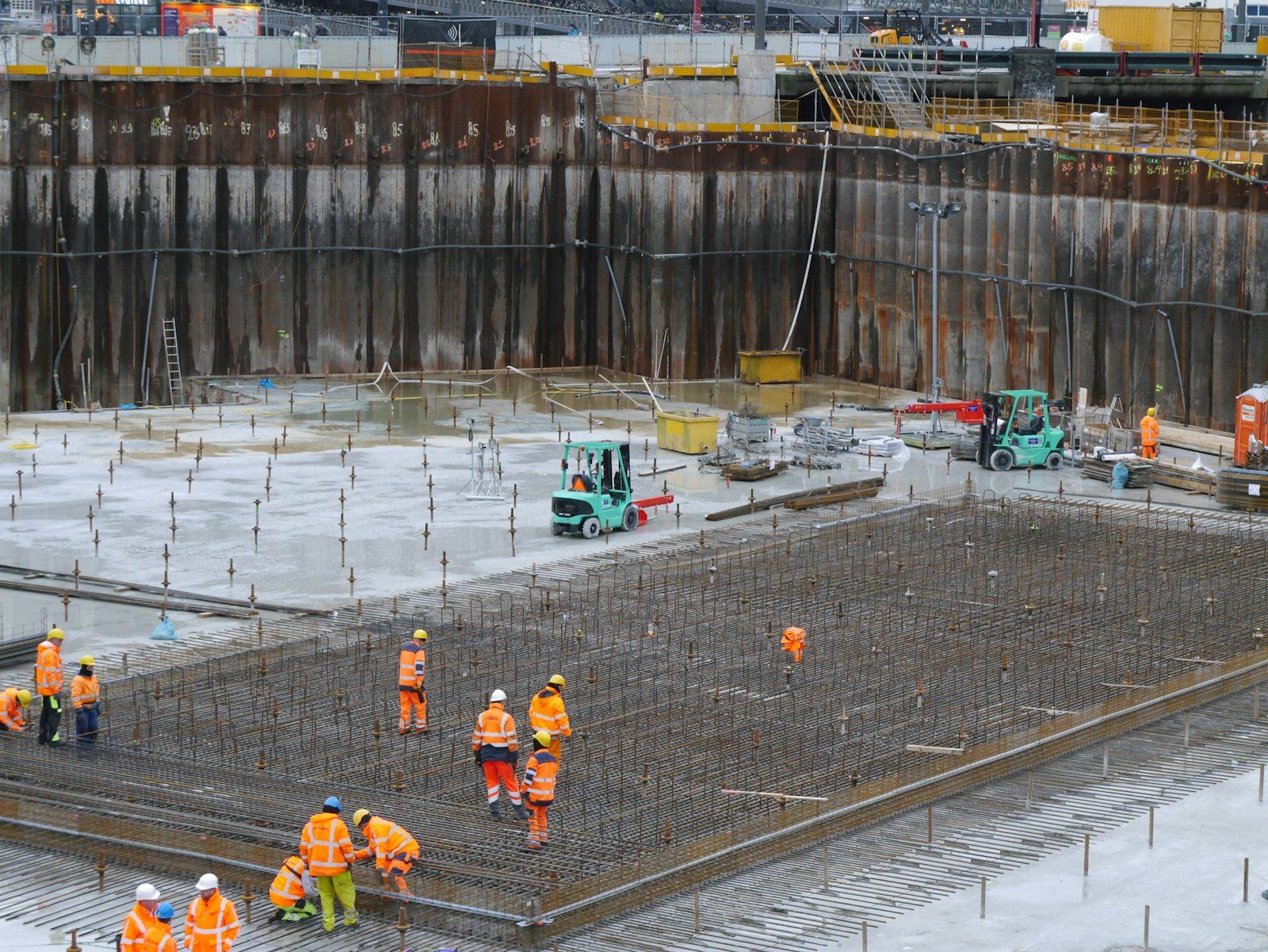
A tear-out done right starts with what's under the old slab, not with the new concrete.
Here's the part of a driveway replacement nobody photographs: the hour after the old slab comes out, when we're standing in your excavation looking at dirt. That dirt is why the old driveway failed. Maybe there was never any gravel under it. Maybe a downspout has been feeding a soft pocket by the garage since the nineties. Under almost every failed slab in Centennial's older neighborhoods, we find something that explains the cracks on top of it.
So we treat replacement as two jobs. The first is getting rid of concrete that's done. The second, the one that decides how long the new slab lasts, is fixing the ground before the mixer shows up. Skip that second job and you're buying the same driveway twice, just with a gap of a few years between invoices.
Once the breaker and skid steer have done their work, we walk the exposed subgrade with a probe and a level. We're looking for three things. Soft zones, where water has turned the clay to pudding. Grade problems, where the ground slopes toward the house instead of away from it. And the base itself, or the absence of one, because a surprising number of decades-old drives in Walnut Hills and Southglenn were poured straight onto native soil with nothing between concrete and clay.
Each finding gets a fix before any concrete arrives. Soft zones get dug out and rebuilt with compacted road base. Bad grades get re-cut so water leaves on its own. Thin spots get built up in compacted lifts, checked as we go. It's unglamorous work that disappears from view by lunch. It's also the whole ballgame.
Half the slabs we pull in these older neighborhoods are sitting directly on clay. No base at all. The concrete usually isn't the part that failed; the ground it was asked to sit on is.What the crew sees on site
| Found under the old slab | Why the old driveway cracked | The correction |
|---|---|---|
| No gravel base at all | Slab flexed with every wet-dry swing of the clay | Four to six inches of road base, compacted in lifts |
| Washout channels from downspouts | Voids opened up and panels dropped into them | Reroute the water, then rebuild and compact the void |
| Grade sloping toward the garage | Runoff pooled under the slab and froze there | Re-cut the subgrade so everything drains to the street |
| Old tree roots | Panels lifted along a ridge line | Remove them, backfill, compact, and run steel across the zone |
| Saturated clay pockets | Slab settled unevenly and cracked at the hinge | Over-excavate the pocket and replace it with compacted fill |
Call (303) 569-4046 for a free on-site look. We'll measure, check the grade, and put a line-item number in your hand.
A typical single-family replacement runs about a week door to door. Demo and haul-off usually take a day. Base correction and forming take another, sometimes more if we're chasing drainage problems across the lot. The pour itself is one morning. After that the schedule belongs to chemistry, not to us: foot traffic the next evening is fine, but the slab needs its full week before a car touches it, and the heavy stuff stays off for a month.
Seasonally, we replace driveways from spring thaw through the first stretch of deep freezes, and on mild weeks all winter long. From Foxridge to Piney Creek, January tear-outs are more common than people expect; demolition doesn't mind the cold one bit. Cold-weather pours get heated water in the mix, an accelerator with no chlorides in it, and blankets over everything. What stops us isn't cold air. It's frost in the subgrade, and when we find it, we reschedule. Period.
Still unsure about something?
Call the crew at (303) 569-4046 and we will talk it through.
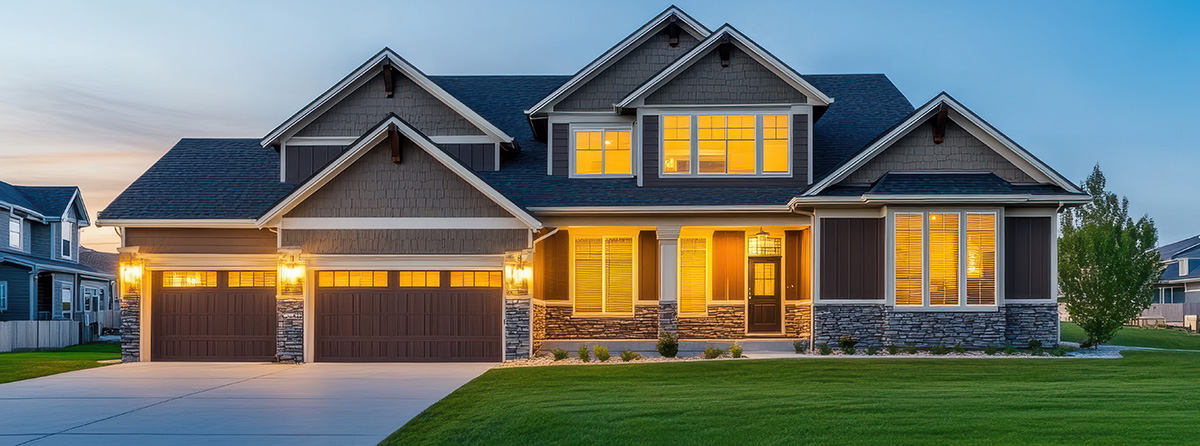
Get a free, no-obligation estimate from a crew that knows Colorado soil, Colorado weather, and how to finish concrete that lasts.
Accessibility
Adjust the site to fit how you read and browse. Your choices are saved on this device.