
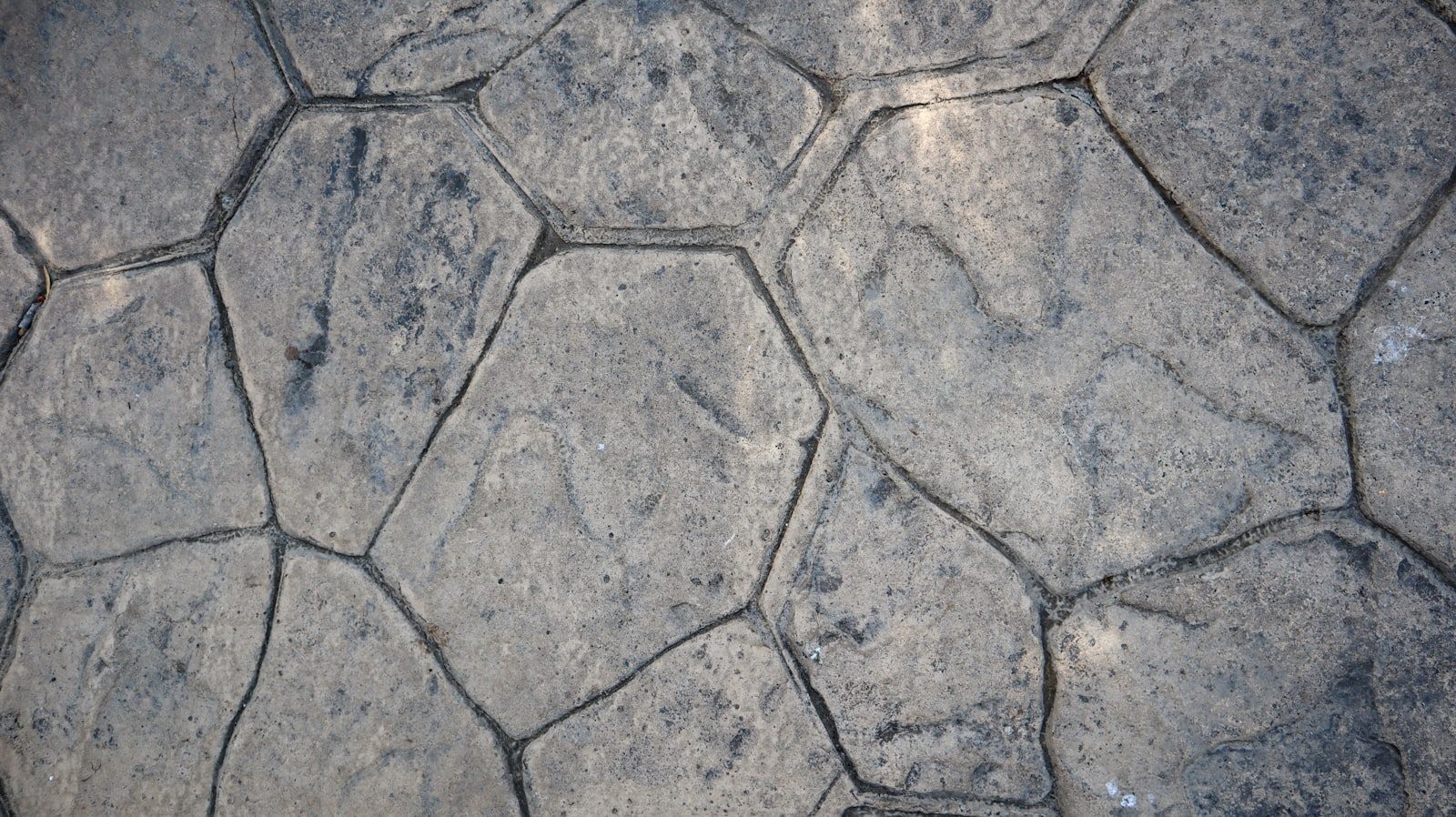
Texture is a decision made in a ninety-minute window, and you live with it for thirty years.
You can read a bad finish from the sidewalk. Chalky white bloom across a driveway apron. Broom lines that stop dead where somebody restarted in the wrong direction. A front walk polished so slick it throws glare, then throws your mail carrier in February. Flaking along an edge that looks like the top eighth inch is peeling off in coins. None of that is a concrete problem. All of it is a finishing problem, and the difference matters because one of them is fixable and the other one means a tear-out.
We finish flatwork all over town, and we get called just as often to look at somebody else's. Same pattern in every neighborhood, from thirty-year-old walks in Founders Village to two-year-old builder pours in Cobblestone Ranch. Concrete gives you one shot at its surface, and that window is short.
Dusting is the easy one. Drag a shoe and it leaves a pale smear; the whole slab looks faded even after rain. Weak surface layer. Nearly always it means somebody worked the concrete while bleed water still sat on top, folding that water back into the paste.
Scaling looks worse and usually is. The top layer lifts off in thin flakes, starting at edges where a car door drips highway brine all winter. Blame poor air entrainment, sealing a slab too soon, or ice melt on green concrete.
Then there's slickness. A hard steel trowel gives a beautiful mirror indoors and a dangerous walk at 6,224 feet, where a thaw at noon and a hard freeze at seven turn smooth concrete into glass. If your shaded front walk in Red Hawk looks polished, somebody finished it like a garage floor.
| Finish | How we make it | Where it belongs |
|---|---|---|
| Broom | Bristles dragged across a floated surface once the sheen is gone | Driveways, walks, steps, any outdoor slab that has to work wet |
| Float | Stop at the magnesium or wood float, no trowel behind it | Patios where bare feet live. Open texture, softer look, good grip |
| Steel trowel | Repeated power or hand passes until the paste burnishes tight | Interior only. Garages, shops, basements, anything going under a coating |
| Salt | Rock salt pressed into fresh concrete, washed out the next day | Pool surrounds and shaded patios. Tiny pockets grip bare feet |
| Swirl or fan | Overlapping arcs worked with a float or trowel edge | Entries and landings that need pattern and still shed a boot's water |
Every one of those textures depends on catching the slab at the right stiffness, and our climate moves that target constantly. A June pour under full sun with a fifteen mile wind can go from soupy to unworkable inside an hour, so we bring extra hands and fog the surface. A cool cloudy morning in May does the reverse. The slab refuses to set, bleed water keeps rising, and the crew waits instead of working it early. That waiting is the job.
Rain splits into two different events. A shower during finishing is a real problem, since it drives extra water into the top layer and you get the dusting and scaling described above. A shower on a slab already textured and a few hours into its set is close to harmless. We carry plastic on every truck through storm season and we'll cancel rather than gamble a surface on radar.
Our best finishing weather runs late April into October, and cool overcast days in that stretch are what a finisher dreams about. Winter pours happen with heated water, non-chloride accelerators, and blankets, but the texture window narrows badly when the ground is cold, and we never place on frozen ground.
Text us a close-up in daylight plus one shot from the street. We'll tell you if it's surface only or something deeper.
New guys always want to get on the slab early. That's the instinct you train out of them. Around here the sun lies. Surface looks ready, water is still under it, and troweling that in builds a floor that starts coming apart the first cold spring.Our crew lead, after the walkthrough
Still unsure about something?
Call the crew at (303) 569-4046 and we will talk it through.
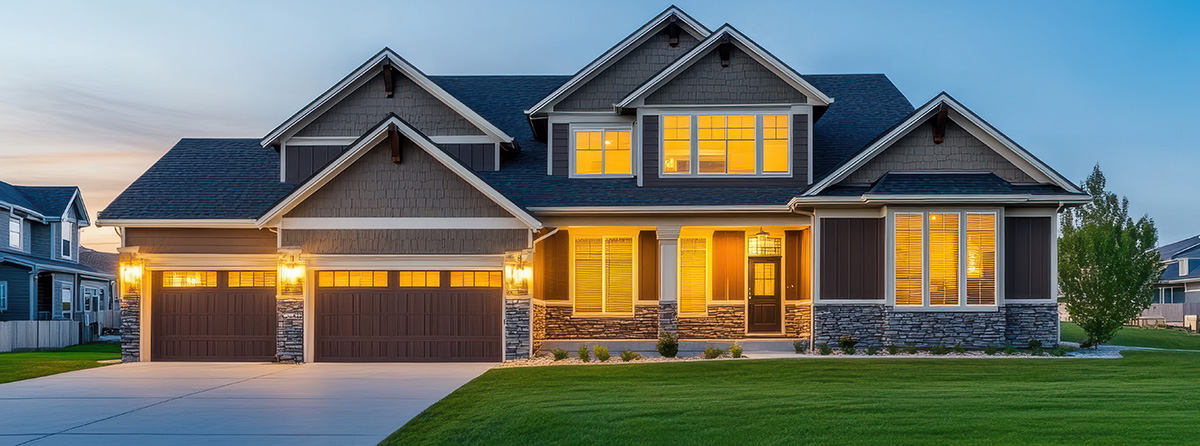
Get a free, no-obligation estimate from a crew that knows Colorado soil, Colorado weather, and how to finish concrete that lasts.
Accessibility
Adjust the site to fit how you read and browse. Your choices are saved on this device.