
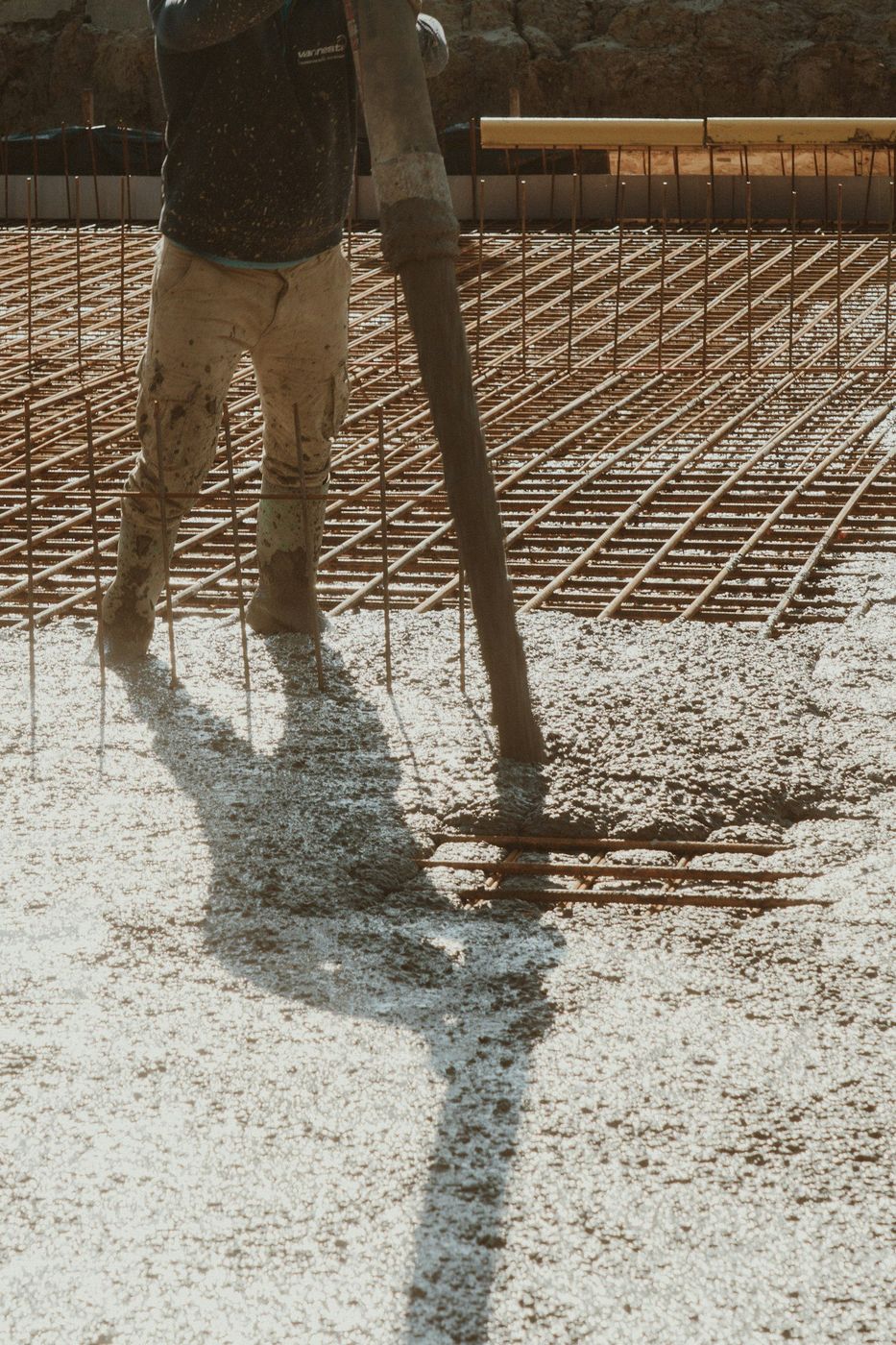
The right texture depends on the property as much as the slab: a wooded acreage approach and a walkout patio want opposite answers.
A finish is a decision about the property, not only about the slab. Same crew, same mix, same truck, and yet the texture we pull on a long approach out past The Pinery has almost nothing in common with the one we pull on a walkout patio behind a five-year-old house in Reata. Different traffic. Different shade. Different snow sitting on it for different lengths of time.
Parker hands us a wide spread. Established blocks in Stroh Ranch and Clarke Farms where the original flatwork has worn down to loose sand underfoot. Mid-age streets in Canterberry Crossing and Stonegate that mostly need additions blended into what's already there. New construction in Idyllwilde and Reata where the builder's contribution stopped at the garage apron. And acreage lots where the driveway gets measured in hundreds of feet. Every one of those wants a different answer.
On homes that have been standing a few decades, the complaint is almost never a crack. It's the surface giving up. You walk barefoot on a patio and the top layer comes off on your feet like beach sand. That's a finishing failure from the day it was poured, not a curse of old age. Somebody worked water into the surface to make troweling easier. That pushed the strong material down and left a weak skin on top, and the skin has been eroding ever since.
Repair work on those blocks is half technique, half matching. A new panel beside a thirty-year-old broom finish will never be a perfect twin, but we get close by reading the direction and coarseness of the old drag and copying it, then letting both surfaces weather a season before anybody judges the seam.
Newer subdivisions bring the opposite problem: everything is intact and none of it has any character. Builders pour a plain light broom and stop. So the work out there is additive. Extend the patio, run a walk around to the side yard, add a hot tub pad, and either match the existing texture or contrast it on purpose.
Acreage is its own category. A long drive wants a coarser broom than a walkway ever would, dragged across the direction of travel so tires and boots bite when it ices. It wants a crown or steady cross fall so water leaves instead of pooling in ruts. And it wants a section sized for propane trucks and equipment, not the family sedan.
Shade changes the pick too. Under mature pines a smooth surface stays damp, grows a slick film, and holds ice long after the sun has cleared everything else. Those walks get texture. Always.
We'll walk the lot with you, read the shade and the drainage, and put a recommendation in writing at no charge.
| Finish | What it asks of you | How it ages out here |
|---|---|---|
| Broom | Rinse it occasionally. Sealing is optional but helps. | The most forgiving finish we place. Wears slowly and evenly. |
| Steel trowel | Keep it indoors. Outside it wants grit or a traction additive. | Beautiful in a garage or shop. Dangerous on an exterior slope in winter. |
| Swirl or float | Occasional wash; the texture holds dirt in the low spots. | Hides wear and stray marks better than a flat finish does. |
| Exposed aggregate | Blow off debris, wash yearly, reseal every couple of years. | Grip stays good for decades if the stone was set at the right depth. |
| Stamped | Reseal on a schedule, no exceptions, and stay off it with deicer. | Only as good as its last sealer coat. Neglect shows up as flat gray. |
The comfortable stretch runs from late April into October, and September is the pick of the litter. Cool mornings, warm afternoons, and a set that gives the finishers room to work at a human pace. Midsummer is the hardest stretch to finish well, since a slab in full sun up here can set faster than a crew can cross it. We start at daybreak and add hands rather than shrink the pour.
Cold-weather pours are real work but they happen. Heated mix water, non-chloride accelerator, and insulated blankets right behind the finishers, plus a crew willing to wait several hours for a set that would take ninety minutes in June. We won't pour on frozen ground, period. And whatever we finish between fall and spring, the first winter runs on sand and a plastic-edged shovel. No deicer touches it.
People see us standing around after the truck pulls out and figure the job is done. It isn't. We're watching the slab, waiting for the exact bleed water to leave. Start troweling too early and you seal that water into the top. That's the patio somebody calls us about in fifteen years.The crew lead's read on it
Still unsure about something?
Call the crew at (303) 569-4046 and we will talk it through.
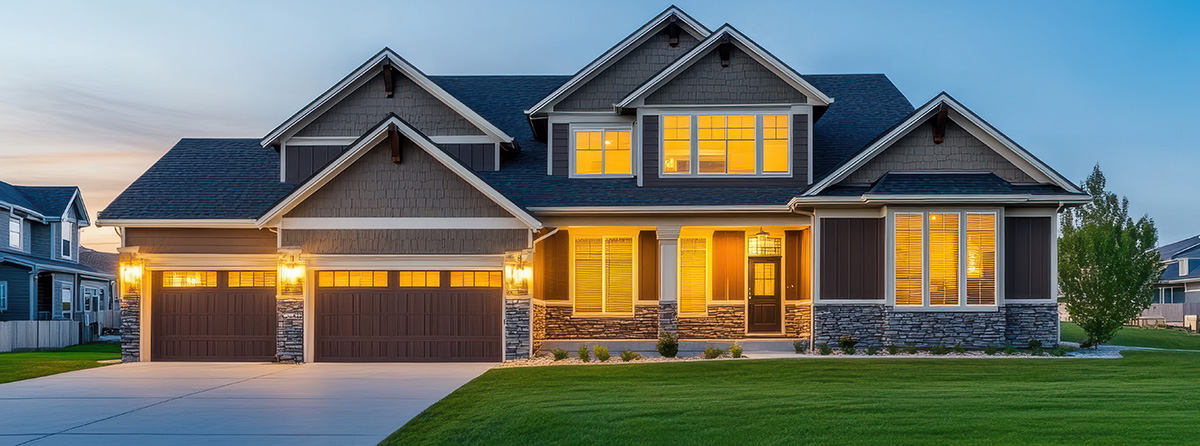
Get a free, no-obligation estimate from a crew that knows Colorado soil, Colorado weather, and how to finish concrete that lasts.
Accessibility
Adjust the site to fit how you read and browse. Your choices are saved on this device.