
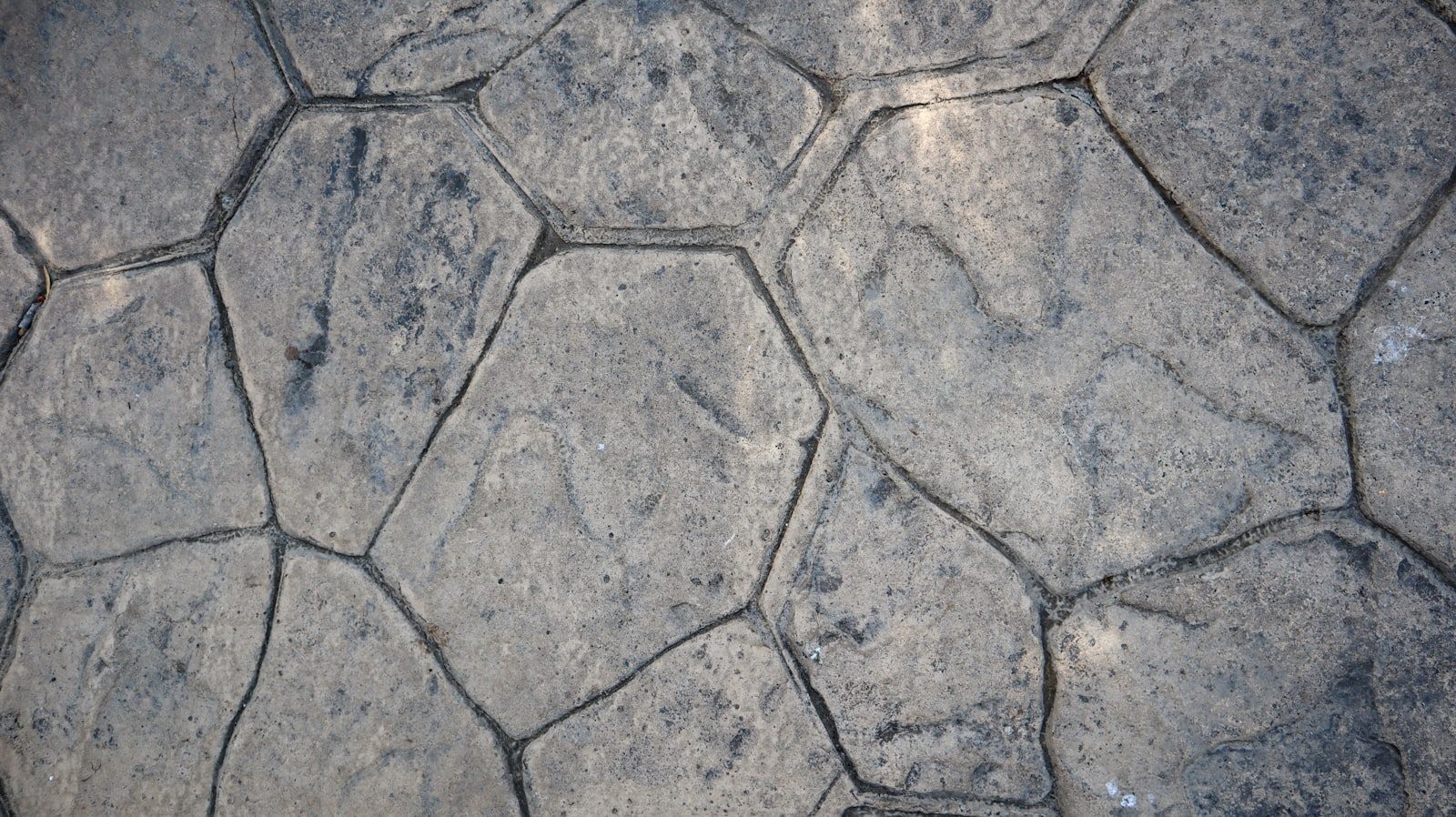
Most pool decks fail in the ring of disturbed dirt nobody thinks about after the shell goes in.
To put a pool in your yard, somebody dug a hole considerably larger than the pool. They had to. Forms, hoses, and people needed room to work between the shell and undisturbed ground. When the shell was done, that gap got filled back in, and how carefully it got filled is the single biggest factor in what your deck does over the next ten years.
We get called out to decks that cracked and dropped in a band a few feet wide, running parallel to the water, while the concrete farther out sits perfectly flat. Homeowners assume the pool moved. The pool didn't move. The backfill compressed, and the deck spanning it went along for the ride. Everything we do on a deck build starts down in that ring, because a beautiful finish over loose fill is just a nicer looking failure.
| Zone | What's down there | How we prep it |
|---|---|---|
| The backfill ring against the shell | Material dropped back in after construction, often in deep uncompacted lifts | Re-excavate what won't compact, refill in thin lifts, compact each one, then base over the top |
| Plumbing and conduit trenches | Loose spoil that settles on its own timeline for years | Compacted backfill and steel carried continuously across the trench line |
| Native ground beyond the excavation | Undisturbed clay on the flats, or rock and thin soil closer to the foothills | Scarify, moisture condition, compact, and build base to a consistent depth |
| The equipment pad corner | Usually the same fill as the ring, with vibration on top of it | Extra base depth and a thickened slab edge, since pumps and heaters run for years |
Drainage is the second half of the subgrade conversation, because water is what turns marginal fill into a void. Our target is a steady fall away from the water across the whole walking surface, verified with an instrument rather than a good eye. Where the yard fights that, and it does on plenty of Lakewood lots, we set deck drains at the low points and pipe them somewhere that makes sense. Anywhere except back toward the shell or toward the house.
Grade around here is genuinely different depending on which side of town you're on. Up around Green Mountain and the foothill edges, lots come with slope you can use, and the trick is keeping uphill runoff from crossing the deck at all, usually with a swale or a drain above the pool. Down on the flats near Belmar and Bear Creek, there's often no natural fall to work with, so drainage gets built rather than borrowed. Applewood's mature yards add roots and decades of irrigation, and Solterra's newer lots come with builder grading that sometimes sends more water to the back of the property than anyone realized.
That pattern has one usual cause. We'll probe the fill, shoot grades, and tell you what it takes to fix it for good.
Traction is not optional around water. A steel-trowel finish photographs beautifully and becomes a hazard the moment a kid comes running out of the shallow end, so we won't pour one at a pool. A light broom is the honest default and it takes color well. Exposed aggregate gives outstanding grip at the cost of comfort on bare knees. A textured overlay can be dialed in if the substrate is sound. Whatever we use, joints get cut the same day and follow the deck shape rather than slicing across a curve.
Best window here is late spring through early fall, and the shoulder weeks are the smart booking, since the pool sits closed then and you give up no swim days. Summer pours start early so the finish is done before the afternoon cells build over the foothills. Cold-weather pours are possible with warm water and blankets, though frozen subgrade ends the conversation, and nobody should pay to have fill compacted in December.
Still unsure about something?
Call the crew at (303) 569-4046 and we will talk it through.
Get a free, no-obligation estimate from a crew that knows Colorado soil, Colorado weather, and how to finish concrete that lasts.
Accessibility
Adjust the site to fit how you read and browse. Your choices are saved on this device.