
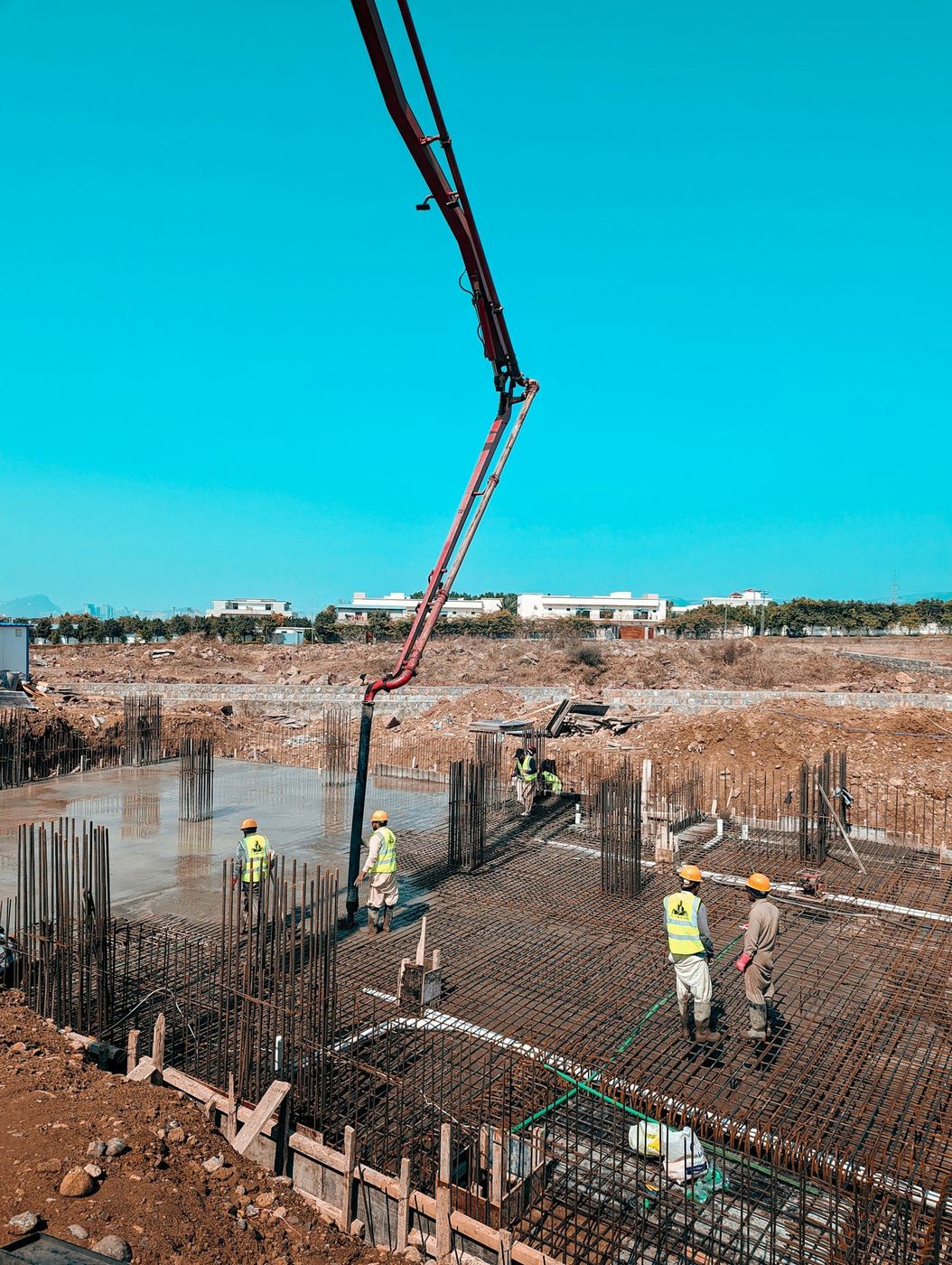
Every line item on a lot bid traces back to dirt, drainage, or truck weight.
Owners ask us why one concrete lot bid lands so far from another when the square footage is identical. Fair question. The answer is that square footage is the least interesting number on the page. What separates the bids is how much subgrade work each contractor planned for, whether anybody priced the inlets and the fall toward them, and what thickness they assumed for the lanes a semi has to swing through.
We build and rebuild concrete lots for retail, office, church, and HOA amenity properties across the south metro. The value case for concrete out here is simple. It doesn't rut under a loaded truck in August, it reflects heat instead of soaking it up, and it shrugs off the plow and the fuel drips that chew asphalt apart. You pay more at the front. You stop paying every third summer.
Concrete is rarely the biggest cost. Earthwork usually is. Castle Pines sits on rolling, wooded ground at 6,450 feet, and lots up here almost never start out flat. Cut and fill, over-excavation where the ground is soft, and a properly compacted road base under the whole footprint move the number more than anything you'll see on the finished surface.
Drainage is next. Every lot needs somewhere for the water to go, and getting fall right across a big surface takes grade stakes, a laser, and a crew that checks itself. Water that ponds in a stall bay through a February freeze finds every weakness in that panel and opens it. We'd rather add an inlet than argue about a birdbath next spring.
Then thickness, and this one gets underbid constantly. A lot poured uniformly at four inches looks like a bargain until the delivery route rutted the joints in year two. We map your traffic first. Where do the semis enter, where do they turn, where does the trash truck set its forks down. Those lanes go six inches with tied steel. The car stalls don't need it, so we don't charge you for it.
Last comes what a manager sees: finish, jointing, striping, wheel stops, signage. Small money next to the dirt. Big difference in whether the lot looks maintained. Newer sites near Daniels Gate and Lagae Ranch usually want the full build, while older ones in Castle Pines North need the base rebuilt under a surface somebody already replaced once.
| Driver | Low end of the range | High end of the range |
|---|---|---|
| Subgrade condition | Firm ground, minor grading, base goes straight down | Soft or wet soil, over-excavation, imported structural fill |
| Site slope | Gentle fall that already heads the right way | Steep terrain needing cut, fill, retaining, and stepped grades |
| Traffic mix | Employee and customer cars only | Semis, box trucks, and a trash route through the middle |
| Drainage work | Existing inlets sited right and still working | New inlets, piping, curb cuts, and a regrade to reach them |
| Demo and disposal | Bare dirt or a small area of removal | Full asphalt or concrete removal with haul-off and tipping |
| Phasing | Whole lot closes for one continuous build | Quadrant by quadrant with tenant parking preserved throughout |
| Season | Summer placement with no cold-weather measures | Winter work with heated water, accelerator, and blankets |
Email us both scopes. We'll mark what one priced and the other didn't, at no charge and with no pitch attached.
Almost nobody can hand us an empty lot for three weeks. So we quarter it. One section at a time comes out, gets built, and reopens before the next section closes, with striping and signage moved as we go. It stretches the calendar and it adds mobilizations, and it's still what most owners pick, because losing every stall on a Saturday costs more than the extra week.
Pouring season along the Front Range runs from about the third week of April through October, and we like September best for big surfaces. Cool nights slow the set just enough that finishers can stay ahead of a wide pour without fighting a crust. Summer means watching radar. An afternoon storm rolling in while a hundred yards is still open on the deck is the fastest way to ruin a surface, so we tent, we cover, and sometimes we push the truck.
Winter lots happen, mostly for owners who can only shut down when their season is dead. We warm the water, run a non-chloride accelerator, and blanket every panel before dark. We won't place on frozen ground, and we won't strip blankets early to chase a reopening date. A lot rushed through a cold cure is a lot with a soft surface, and you'll see it the first time somebody drops a plow blade on it.
Still unsure about something?
Call the crew at (303) 569-4046 and we will talk it through.
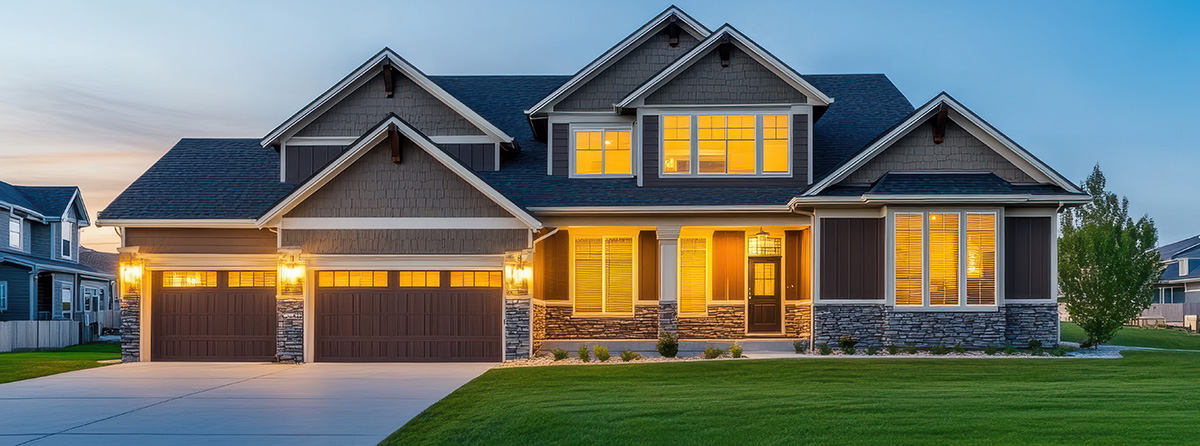
Get a free, no-obligation estimate from a crew that knows Colorado soil, Colorado weather, and how to finish concrete that lasts.
Accessibility
Adjust the site to fit how you read and browse. Your choices are saved on this device.